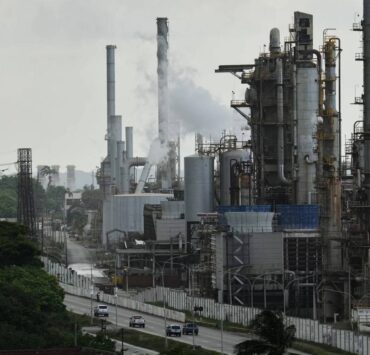










2025 marked by extreme heat, record temperatures

ANKARA—2025 ranked among the warmest years on record globally, despite a shift toward neutral or weak La Nina conditions that typically cool global temperatures, according to the World Meteorological Organization (WMO) and the Copernicus Climate Change Service.
Global temperatures in 2025 ranked second or third warmest on record, following the record-hot year of 2024, underscoring the growing strength of human-caused warming driven by greenhouse gas emissions.
Scientists said natural cooling cycles are no longer sufficient to offset rising baseline temperatures, with many regions recording record or near-record heat levels throughout the year.
WMO said its latest global climate outlook shows temperatures over the next five years are likely to remain at or near record levels, with an 80 percent chance that at least one year will exceed the current warmest year on record and a 70 percent chance that the five-year average will temporarily exceed 1.5 degrees Celsius above pre-industrial levels.
Summer heat waves
Extreme summer heat in 2025 caused widespread health impacts and record temperatures across multiple regions, with July ranking as the third-warmest on record globally.
Europe recorded its fourth-warmest summer on record, with intense heat concentrated in western and southern areas. Land surface temperatures were significantly above average in northeastern Spain, southwestern France, the Balkans, and parts of Fennoscandia, with anomalies reaching up to 6 C (10.8 degrees Fahrenheit) in some locations.
The UK recorded its hottest June on record in England and the second-warmest nationwide since records began in 1884, according to the Met Office. The Netherlands experienced its second-highest June temperatures since 1901, data from the Royal Netherlands Meteorological Institute showed.
Spain endured its most intense heat wave on record in August, the State Meteorological Agency said.
Scandinavia, including Finland, Denmark, Sweden, and Norway, saw prolonged heat waves in July, with temperatures well above seasonal averages across the region.
A study by researchers from Imperial College London and the London School of Hygiene & Tropical Medicine estimated around 24,400 heat-related deaths across 854 European cities between June and August. About 68 percent of those deaths were attributed to climate change, effectively tripling the expected toll without human-induced warming.
Researchers said older populations were particularly vulnerable, with around 85 percent of victims aged 65 or older, adding that heat-related deaths are often underreported.
Heatstrokes
Extreme heat affected large parts of Asia in 2025.
Japan recorded one of its hottest Junes since records began in 1898, the Japan Meteorological Agency said, with prolonged heat leading to a surge in heatstroke cases and deaths, particularly among elderly people.
South Korea reported record daily temperature averages in late June, the highest since 1904.
India issued red alerts in New Delhi amid extended heat conditions, while Pakistan saw temperatures rise to around 50 C (122 F) in parts of Punjab province.
In Iran, authorities closed public institutions in 18 provinces to manage soaring energy demand caused by widespread use of cooling systems.

The United States and parts of North America experienced severe heat waves in 2025, including a major June heat dome that exposed more than 255 million people to extreme temperatures, with readings frequently exceeding 38 C (100 F).
The Centers for Disease Control and Prevention said extreme heat remains the leading weather-related cause of death in the United States, with preliminary 2025 data confirming at least 150 heat-related deaths nationwide.
Droughts
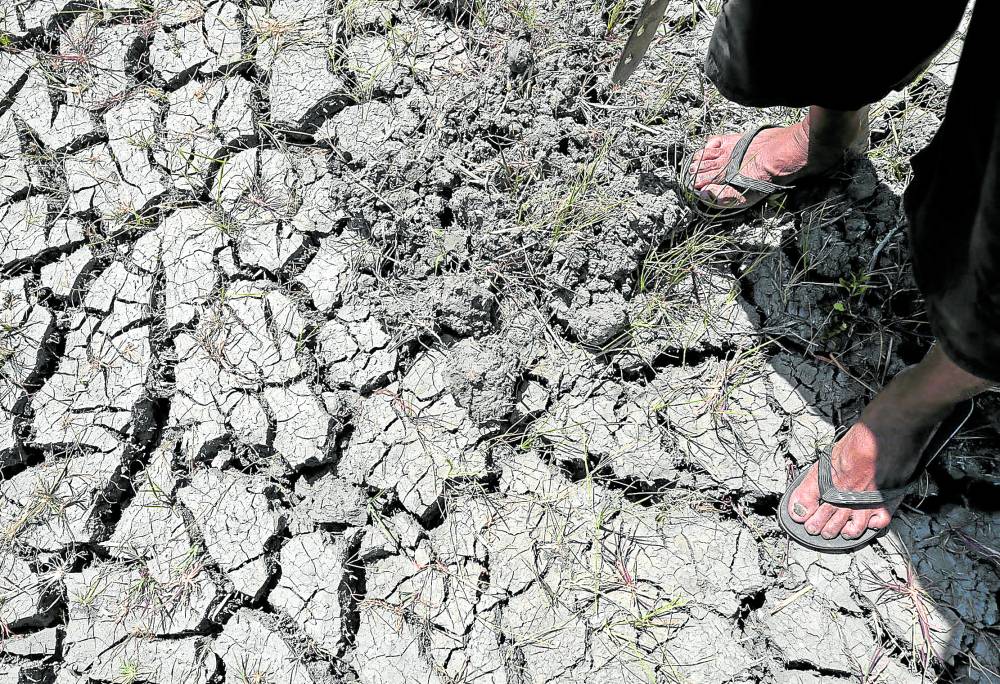
Iran faced one of its most severe water crises, with Lake Urmia, once the Middle East’s largest saltwater lake, shrinking dramatically and facing periodic drying, alongside critically low dam levels in Tehran and other major cities.
Drought conditions also affected Syria, parts of Africa and South Korea, where the city of Gangneung was declared a disaster zone after record-low rainfall.
The WMO’s State of Global Water Resources report warned of increasingly erratic water cycles marked by rapid swings between floods and droughts.
UN Water said 3.6 billion people currently face inadequate access to water for at least one month each year, a figure projected to rise to more than 5 billion by 2050.
Events in 2025 highlighted the accelerating risks posed by climate change, with heat waves, droughts, and related crises becoming more frequent, more severe, and more disruptive worldwide.