






AboitizPower, Japan’s JERA take ‘pragmatic approach’ to energy shift

As net-zero goal posts approach, energy players are under pressure to show results toward what are looking like decarbonization targets that would be missed.
Governments and private-sector organizations across the globe have committed to achieving a balance between the human-caused emission of greenhouse gases and the removal of these from the atmosphere.
And while net-zero goals on the whole are pinned to 2050, the urgency of the matter calls for more immediate and drastic moves, such as reducing carbon emissions by 45 percent by 2030.
Against this backdrop, AboitizPower Corp. teamed up with JERA Co. Inc., Japan’s largest producer of electricity. The Tokyo-based firm accounts for about 30 percent of its country’s power output.
JERA produces this mainly with thermal power plants that run on natural gas and coal. Still, the remainder is generated with renewable energy technology. This is a profile that is very similar to that of AboitizPower.
Being a 50:50 joint venture between Tepco Fuel & Power Inc. and Chubu Electric Power Co. Inc., JERA is involved in both the fuel side and the production side of the industry.
Through a partnership with AboitizPower, the Philippines is one of 17 countries that host JERA’s major overseas businesses.
AboitizPower itself aims at striking a 50:50 balance between its renewable and thermal assets by 2030. Currently, the firm’s portfolio has about 22.5-percent renewable energy and 77.5-percent thermal energy.
To achieve a balance, AboitizPower’s strategy is to invest more in renewables “while selectively building baseload power plants.” The latter refers to thermal plants that run round-the-clock to meet the minimum demand in the power grid.
In this, AboitizPower puts emphasis on plants that run on natural gas rather than coal. Coal-fired facilities account for almost half (47.8 percent) of the firm’s energy mix—gas accounts for 28.3 percent.
With a 27-percent equity in AboitizPower, JERA is supporting the latter in terms of liquefied natural gas (LNG) development and value chain.
“We don’t intend to be just a mere fuel supplier. We try to contribute not just in investing in the company but also in fuel supply or technological improvement and so on, so that we can leverage our experience and know-how,” says Izumi Kai, CEO of JERA Asia.
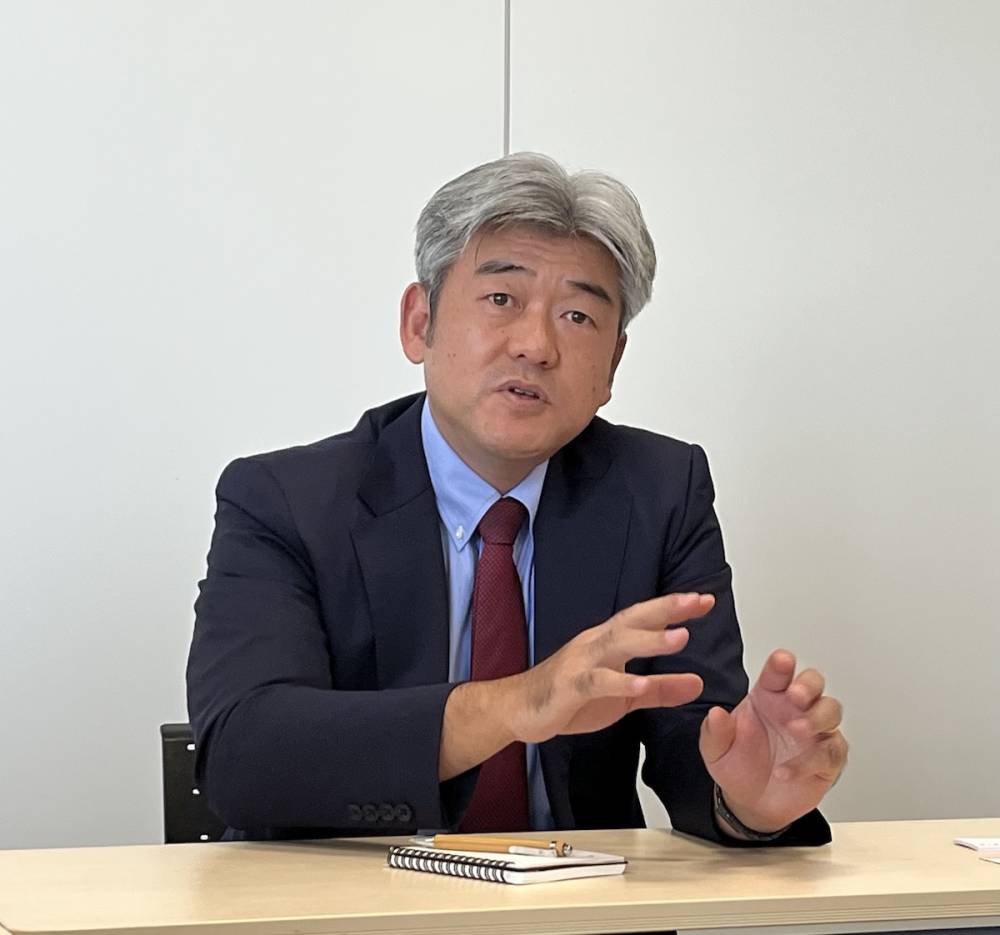
He told this to Filipino journalists who visited JERA offices and facilities in Tokyo, Chiba and Aichi last November.
In July 2023, the two firms expanded their partnership with an assessment of the feasibility of co-firing or using ammonia as fuel for coal-fired power plants, as well as hydrogen on LNG-fed facilities. The intention is to reduce carbon emissions when generating electricity with thermal facilities.
Ammonia and hydrogen themselves do not produce carbon emissions. But they are considered “low-emission” fuels as they can be produced from plants—which absorb carbon dioxide from the atmosphere as they grow—or through industrial processes that run on renewable or other low-emissions energy sources.
JERA conducted in Japan a demonstration test of substituting 20 percent of the coal used with ammonia. This was done in 2024 at a 1,000-megawatt (MW) unit of the 4,100-MW Hekinan power plant in Aichi prefecture.
According to JERA, the test achieved a substitution rate of as much as 28 percent. This was “confirming the feasibility” of fuel substitution at more than 20 percent.
A global pioneering project, the intention is to take further steps to increase the share of ammonia in the fuel mix of a large-scale power plant to more than half by 2028.
“Given the success of the demonstration testing, we are accelerating construction and supply chain development aimed at commercial operation,” the company says.
Also, JERA worked with Denso on Japan’s first demonstration of hydrogen production using solid oxide electrolysis cell (SOEC) water electrolysis equipment.
“Based on the results of this test, efforts will accelerate toward the application of SOEC as a next-generation fuel production technology,” the company says.
Tech, talent collaboration
Further, AboitizPower gains insight into the stringent safety protocols and best practices that JERA implements across all its power generation facilities.
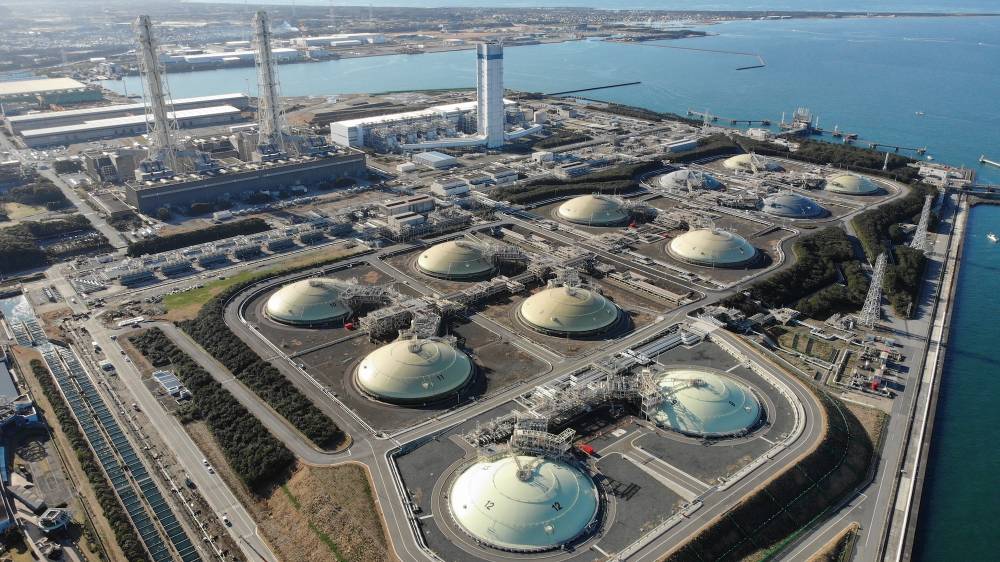
An example is the 5,160-MW Futtsu gas-fired thermal power complex in Chiba prefecture. Futtsu has an array of underground LNG tanks that are touted to “ensure high levels of safety in the event of an earthquake, and can handle various types of LNG.”

Beyond technological innovation and safety, AboitizPower and JERA’s partnership entails a cross-border talent exchange program.
During the visit to Hekinan, Japan, in November, there were two Filipinos at work. One is Elvin Tesoro, sent from Therma South Inc. in Davao City. The other is Glaiza Yen Martinez, then in the fifth month of her yearlong tour of duty in Aichi.
“They have more resources here, and discipline,” Martinez observes. “We, Filipinos, tend to be more creative with little resources, but we are similar in terms of dedication [to our jobs].”
She says she is in Japan to learn more before she is given greater responsibilities back home.
In addition, JERA and AboitizPower jointly launched in September 2025 a Global Technical Center of Excellence (GTCOE). Located in Batangas, the GTCOE is intended to “develop a strong talent pipeline” for the energy industry.
On Jan. 19, GTCOE announced the first batch of graduates, who had gone through a three-month intensive curriculum. Twelve Filipinos and six Japanese took part in the Operations & Maintenance Basic Training Program.
Another group—18 Japanese and a Filipino—underwent a three-week Advanced Global Start-Up Trainee Program.
According to JERA, the Philippines remains a high-priority market for its group.
“Our partnership with AboitizPower is positioned to support the country’s energy needs while advancing decarbonization and innovation,” the company says.
******
Get real-time news updates: inqnews.net/inqviber