








Asean eyes new trade dynamics amid global uncertainty

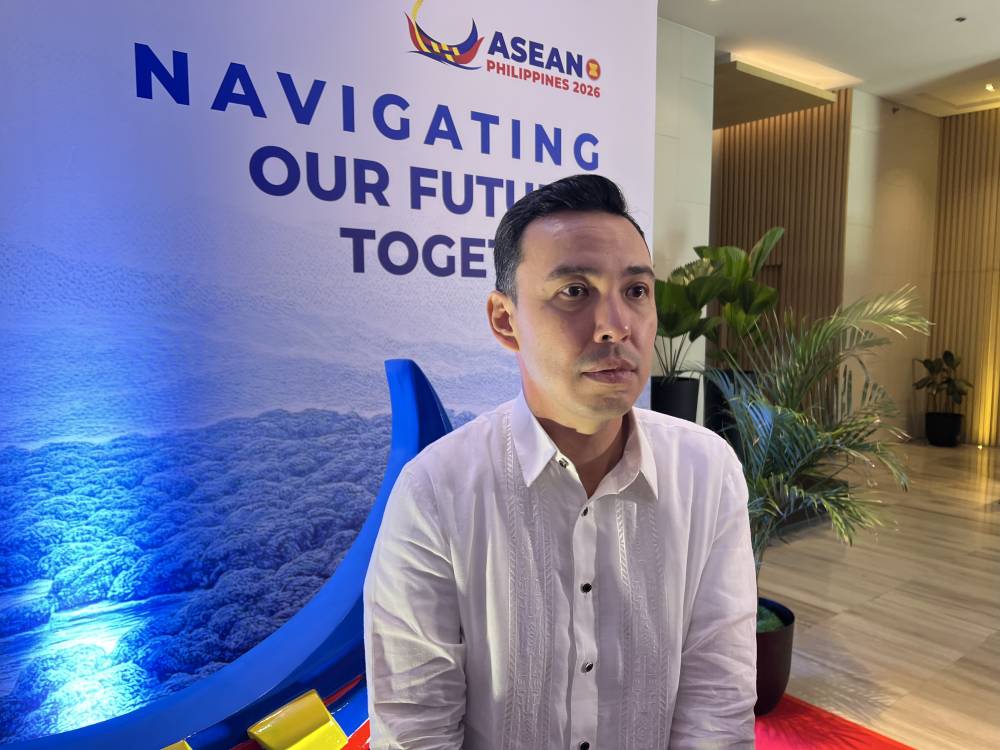
Geopolitical upheavals and trade wars may force Southeast Asian economies to explore new trading dynamics as the global trade environment grows increasingly unpredictable, a trade official said on Monday.
Benedict Uy, executive director of the Department of Trade and Industry’s (DTI) Foreign Trade Service Corps, said conflicts in key regions and the weaponization of trade policies had pushed countries to reassess longstanding economic partnerships.
“The conflict in the Middle East, the ongoing trade war between the US and China, the weaponization of tariffs, and the changing dynamics between former trading partners are just some of the things that have made the global landscape an unpredictable environment,” Uy said.
“With such disruptions stifling progress, the same can be viewed as opportunities to capitalize and develop new trading dynamics,” he added.
As such, these issues are expected to be discussed at the Association of Southeast Asian Nations (ASEAN) Business Environment Forum on Wednesday, which the Philippines is hosting with the Asian Development Bank.
Regional integration
The forum will be held on the sidelines of the Asean Economic Ministers’ Retreat this week, one of the first landmark events under the Philippines’ Asean chairship for trade and investment engagements.
Uy said the forum would bring together ministers, senior government officials and private sector leaders to discuss ways to improve the region’s business environment. It is meant to complement ministerial-level policy discussions.
At the forum, business leaders are expected to focus on improving ease of doing business within Asean, strengthening public-private collaboration and expanding the use of digital tools in government processes.
Strengthening regional integration of trade and investment is expected to be another key topic.

“Importante na malakas ang economy ng Asean because that’s our our only way to shield us from all these global tensions and issues,” Uy told reporters. “Kung ‘yong intra-Asean trade and investment is strong, then our exporters, our companies are really doing good already.”
Intraregional investments within Asean rose 45 percent to $31 billion in 2023, according to the bloc’s latest investment report, making it the second-largest investment source for the region after the US.
In 2024, Asean’s total trade in goods reached $3.8 trillion. Asean economies were the largest export market for goods within the bloc, accounting for 22.5 percent of total exports, while also ranking as the second-largest source of imports at 20.3 percent.
Trade within the region also takes place largely tariff-free under the Asean Trade in Goods Agreement, which has eliminated tariffs on 99.86 percent of products traded among member states.