

Bad-loan ratio fell to 3-mo low in March despite war risks

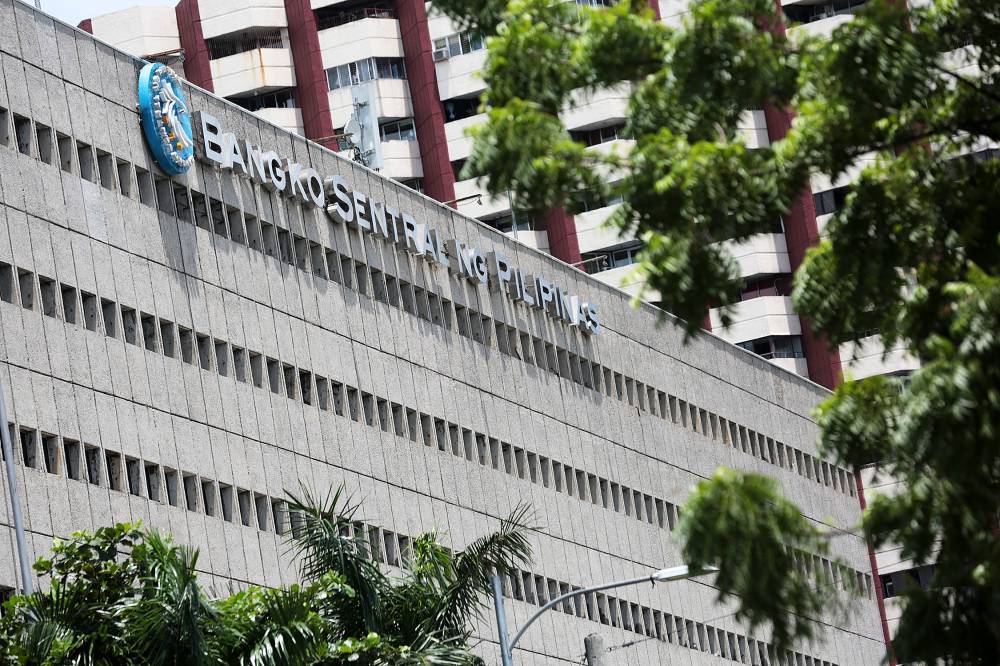
The share of bad loans in Philippine banks’ lending portfolios fell to a three-month low in March, even as a Middle East crisis triggered a historic oil shock that squeezed household finances and raised expectations of interest-rate hikes.
Nonperforming loans (NPL), or debts overdue by at least 90 days and at risk of default, accounted for 3.29 percent of the local banking sector’s total lending portfolio as of March, figures from the Bangko Sentral ng Pilipinas (BSP) showed.
That marked the lowest gross NPL ratio since December 2025, when the share stood at 3.07 percent.
In peso terms, roughly P568.6 billion of the sector’s P17.3-trillion loan book had soured during the month.
The stock of bad loans was over 10-percent higher than a year earlier and nearly 3-percent higher month-on-month.
Even so, banks pared their buffers against unpaid loans, though the cushion remained sizable.
Credit losses
Lenders set aside P519.5 billion as allowance for credit losses, translating to a coverage ratio of 91.37 percent—the lowest since April 2022, when buffers covered 90.6 percent of NPL.
The decline in the NPL ratio coincided with brisk loan growth that expanded the base used to calculate the share of bad debt.
Bank lending rose 10.7 percent from a year earlier in March, the fastest pace in seven months.
Analysts said the pickup in lending reflected firm domestic demand and ample liquidity rather than spillovers from the Middle East conflict.
Still, global debt watchers have warned that Philippine banks could still come under pressure from a prolonged conflict in the Middle East.
The war is seen to fuel fresh inflation and force central banks to hike interest rates, slowing credit growth and straining borrowers already grappling with higher fuel and food costs.
They also cautioned that a wider regional war could displace Filipino workers in the Gulf, threatening remittance flows that support household spending and domestic consumption.
In its report on the Philippine financial system for the second half of 2025, the BSP said banks and nonbank financial institutions had remained in sound condition during the period, leaving the industry well-positioned when the Middle East crisis escalated earlier this year.