










Banks ramped up agri lending as of Q3

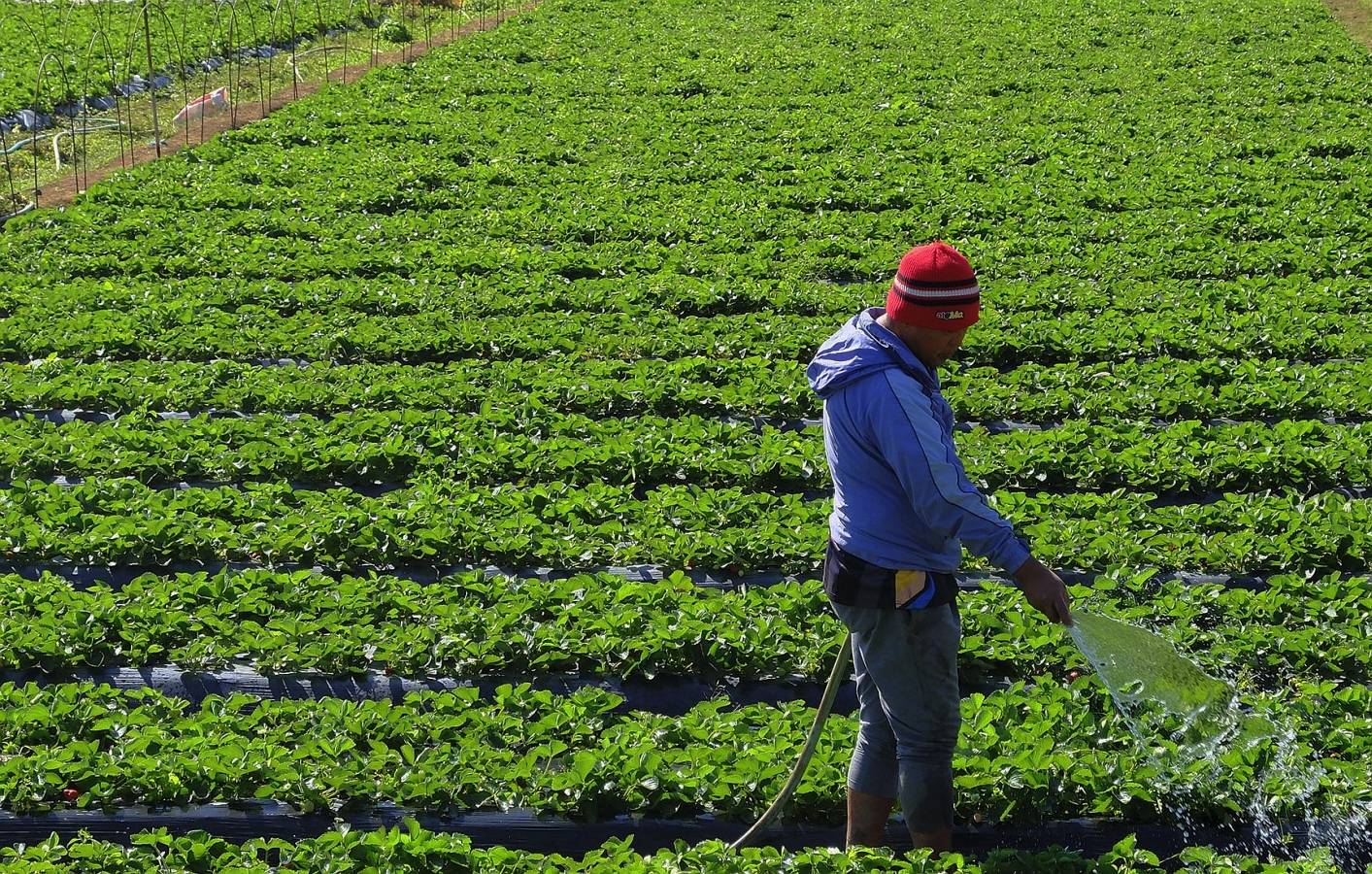
Philippine banks expanded lending to agriculture through the end of the third quarter, continuing to exceed a government-mandated quota for one of the economy’s most vital—and long-neglected—sectors.
According to preliminary data from the Bangko Sentral ng Pilipinas (BSP), banks extended about P2.5 trillion in credit to the farm sector as of September 2025.
The amount was up 45 percent from a year earlier and included loans to farmers, fisherfolk, agrarian reform beneficiaries and their households. It accounted for 101.78 percent of banks’ total loanable funds of P2.46 trillion during the period.
This means local banks went beyond their quota for agriculture lending.
Under the law, banks must allocate 25 percent of their total loanable funds for agriculture, fisheries and rural development. Newly established banks are exempt from the rule in their first five years of operation.
Even so, data showed the 1041.78-percent compliance rate of banks was lower than last year’s. In the first nine months of 2024, banks allocated 114.32 percent of their loanable funds, or P1.7 trillion, to agriculture when their total loanable funds reached P1.5 trillion.
Historically, agriculture accounted for about a tenth of gross domestic product and employed around a quarter of Filipino workers. Yet decades of underinvestment and the rapid growth of other industries have left the sector struggling to modernize and expand.

According to the BSP and the Department of Agriculture, vulnerabilities to natural calamities and harvesting uncertainties remain the most common problems that banks face when extending credit to agriculture. These inherent risks, they noted, were aggravated by the pandemic, which had affected the health and livelihood of farmers and jeopardized their capacity to pay bank loans.
At the same time, agricultural borrowers often struggle to meet basic credit criteria, making it challenging for them to secure loans. The BSP reported that banks still require traditional loan securities from agricultural borrowers, mainly favoring real estate mortgages.
To encourage more lending, banks previously surveyed by the BSP stressed the importance of credit support mechanisms like guarantees and loan insurance, access to borrower information and crop insurance.