












Bigger war chest proposed to modernize PH agriculture

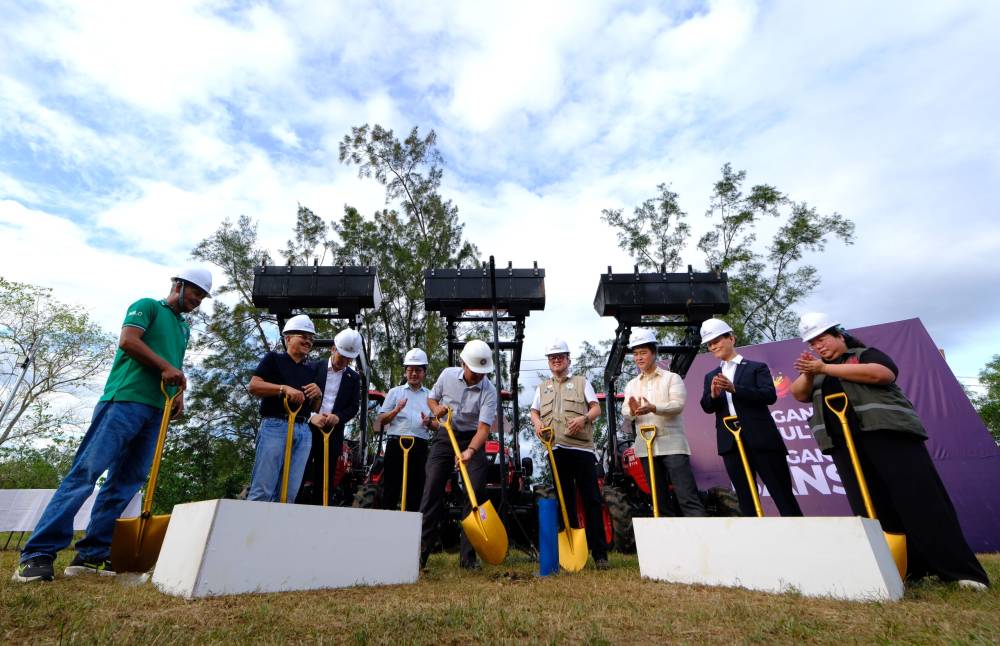
After years of pushing for increased spending prowess, the Department of Agriculture (DA) is taking another step closer to its dream of modernizing the farm sector following the approval of a higher budget.
The government earmarked P215 billion in funding for the DA under the P6.793-trillion proposed national budget for 2026, which the agency expects to significantly boost farm modernization efforts.
“These investments are critical to lowering production costs, improving efficiency and addressing labor constraints. Simply put, this will allow farmers and fisherfolk to earn more from the same effort,” Agriculture Secretary Francisco Tiu Laurel Jr. says in a Palace press briefing.
“We also welcome the increased focus on digitalization, modern data systems and digital platforms which will improve transparency, speed up service of delivery and ensure that government support reaches the right people at the right time,” adds Tiu Laurel.
The agriculture sector was among those that received a budget boost after the reallocation of P255 billion in flood control funds to finance various priority programs and projects.
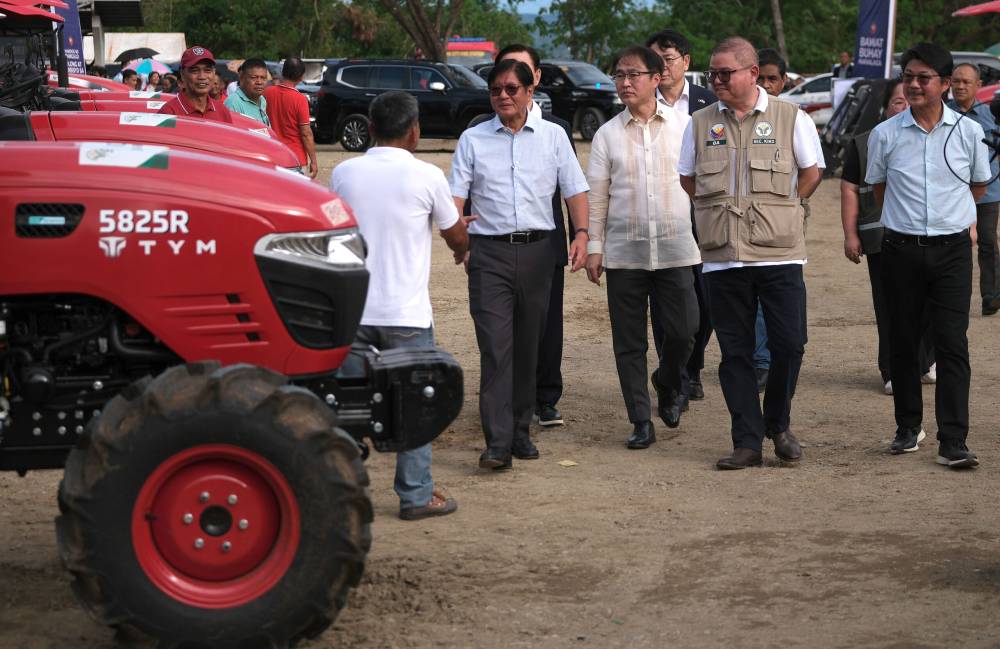
The DA has expressed gratitude to President Marcos for the higher budget allocation, albeit with caution, stressing that this will depend on the careful review of the 2026 General Appropriations Act (GAA).
“I haven’t seen the actual GAA in its entirety, so it’s difficult to comment on all the details,” Tiu Laurel says. “We’re happy that the budget has finally been released, but we still need to review what the final version entails.”
The agriculture chief stresses the importance of aligning budget priorities with ongoing reforms, including modernization, climate resilience and food security.
Where the money will go
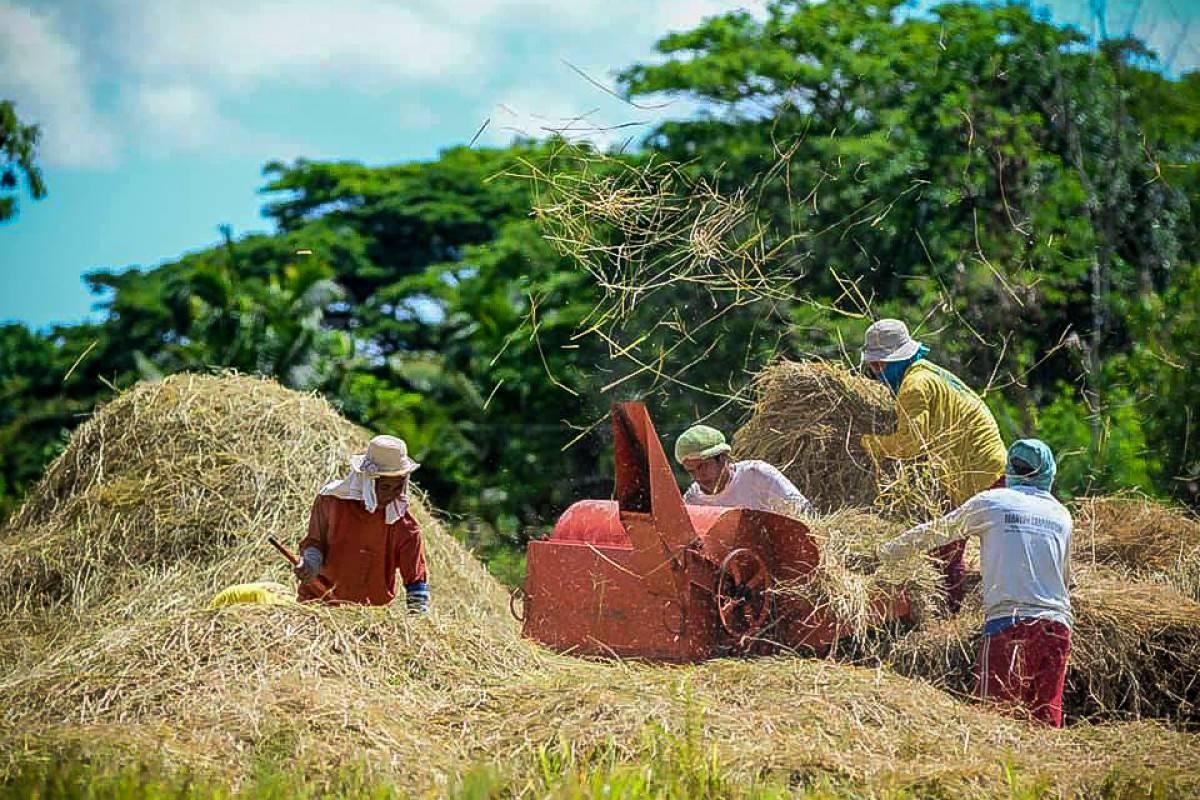
Postharvest support remains a key focus, addressing losses from inadequate storage and logistics, he adds.
Farm-to-market roads (FMRs), now under the agency’s oversight, are a crucial item in its 2026 spending.
The Department of Public Works and Highways (DPWH) had handled the FMR development for many years until the DA took over this responsibility in late 2025 due to controversies linked to flood control projects.
The budget for FMR projects was doubled to P33 billion for the construction, improvement, rehabilitation and repair of FMRs. It covers about 1,600 new FMR projects, mostly located in Cagayan Valley, Central Luzon, Bicol and Soccsksargen.
Central Luzon was given the largest budget of P4.89 billion for FMRs.
As of writing, the DA is finalizing the guidelines governing the development of FMR projects nationwide.
According to the agriculture chief, President Marcos has instructed the agency to complete these projects on time and to ensure accountability and transparency.
Agriculture Assistant Secretary Arnel de Mesa says special provisions of the GAA allow the DA to enter into a memorandum of agreement with local government units (LGUs) or DPWH in areas “where we have limitations in the implementation of FMRs.”
The DA is also exploring public-private partnerships as another modality for undertaking such projects. Tiu Laurel is hopeful of attracting major companies to invest in FMRs.
“Administrative-wise, technical-wise, everything can be covered by the DA in relation to the implementation of the program,” de Mesa, also the DA’s spokesperson, says in a press briefing.
“But then again we wish to acknowledge the participation of the DPWH, LGUs and communities in the audit and monitoring to ensure that everything will be covered,” adds de Mesa.
Tiu Laurel says equally important is continued investment in infrastructure, irrigation systems, postharvest facilities, cold storage facilities and deep-water agricultural ports to help reduce farm losses and boost productivity.
More in the pipeline
The DA is pushing through with the construction of cold examination facilities in agriculture (Cefas) in Manila, Subic, Zambales and Davao, which are estimated to cost about P1.2 billion or P300 million each.
Cefa is a state-of-the-art examination facility for all imported animal, fish, plant and other agricultural commodities held in containers.
Once completed, these cefas are expected to strengthen the country’s protection against plant, animal and other diseases, as well as prevent the proliferation of smuggled goods.
Another project in the pipeline is the development of new deep-water ports in Abra de Ilog, Occidental Mindoro, and Dipolog, Zamboanga del Norte, along with the expansion of an existing port in Albay.
Tiu Laurel says deep-water ports, which are projected to cost approximately P2.4 billion, allow bulk shipments of agricultural commodities, translating to lower prices. It will help reduce the cost of shipping agricultural products and farm inputs across the archipelago.
Digitalization
To push the digitalization agenda, the DA is preparing to launch its digitalized command center in the first quarter of this year. This will serve as the agency’s backbone for evidence-based policymaking.
The DA says the command center—envisioned to become its nerve center—will consolidate real-time data on crop production, livestock inventory, weather patterns, import and export flows, price movements, satellite field monitoring and supply chain conditions.
The command center will help improve the decision-making process since it will eliminate guesswork and allow decision-makers to anticipate shortages, prevent oversupply, deploy interventions faster and improve coordination across regional units.
“Because of this, we will have a nerve center of our consolidated data hub and we will be able to predict if we need to have additional importation or if our local production can afford it,” de Mesa says.
The DA is exploring artificial intelligence (AI) tools to better process the massive volume of data and help craft actionable insights.
“The AI layer is expected to help the DA simulate crop scenarios, optimize planting schedules, detect disease risks early, monitor farm-gate price distortions and recommend interventions that align with national goals of food security, agricultural modernization and higher farmer incomes,” the DA says.


Is Philippine agriculture really protected by high tariffs?