




BSP chief: Further rate cuts won’t be too useful

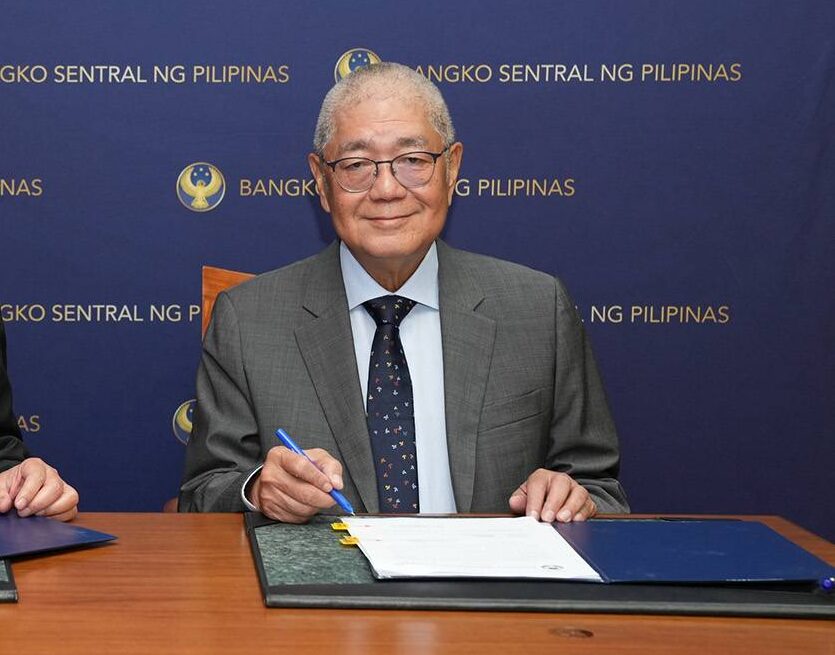
Bangko Sentral ng Pilipinas (BSP) Governor Eli Remolona Jr. said further monetary policy easing could do little to support the anemic economy at this point, adding that lower interest rates must be accompanied by a recovery in government spending and credible efforts to curb graft and corruption.
In an interview with OneNews on Friday, Remolona said the central bank would do what it could to support the economy, so long as additional rate cuts wouldn’t rekindle inflation and undermine its primary mandate of price stability.
Still, he acknowledged the limits of monetary policy. “Monetary policy can do a little bit at this point,” he said. “And that little bit is what we’re trying to do.”
“Interest rates can’t do the trick,” he added. “It needs help from other things. And those other things come from the fiscal side.”
At its first policy meeting of 2026, the Monetary Board last Thursday cut the benchmark rate by another quarter point, bringing the key rate that guides bank lending costs to 4.25 percent, the lowest in more than three years.
The move brought total reductions since the easing cycle began in August 2024 to 2.25 percentage points.
All 13 economists surveyed by the Inquirer had anticipated the decision.
But unlike in December, the central bank was more cautious in signaling its next steps. It dropped a line from its previous statement that said “the monetary policy easing cycle is nearing its end,” with Remolona saying future rate cuts would now be “conditional.”
He also acknowledged that policymakers had underestimated the economic damage caused by the high-profile graft scandal, which has paralyzed public spending and gutted confidence.
Benign inflation
The good news is the central bank expects inflation to average 3.6 percent this year and 3.2 percent next year. These are both within its 2 percent to 4 percent target range.

In a note to clients, Michael Wan, senior currency analyst at MUFG Bank, said the latest forward guidance from the BSP was “slightly confusing and more importantly, backward-looking.”
“Our base case assumption is that there should be some recovery in government spending for the Philippines, but full normalization will likely only come in 2027, looking at historical episodes of corruption issues in the Philippines,” Wan said.
“As such, we think that the BSP will likely cut rates one more time in 2026, but timing-wise, BSP could opt to take a pause first before cutting in the following meeting,” he added.
Separately, economists at BMI Research expect the BSP to end its easing cycle with one final quarter-point cut in April. “Growth will remain BSP’s primary consideration in the next policy meeting,” it said.