







BSP seen capping turbulent 2025 with another rate cut


The Bangko Sentral ng Pilipinas (BSP) is expected to end the year with another quarter-point rate cut this week, as easing inflation gives policymakers room to shore up an economy losing momentum amid a widening corruption probe.
All 13 economists surveyed by the Inquirer last week expected the powerful Monetary Board to slash the benchmark rate—which guides bank lending costs—to 4.5 percent at the policymaking body’s Dec. 11 meeting.
If the strong consensus is right, it would bring the cumulative reductions since the easing cycle started in August last year to 2 percentage points.
As it is, the BSP has enough space to prioritize growth, which slumped to a four-year low of 4 percent in the third quarter amid an ongoing graft scandal that has darkened both business and consumer confidence and stalled public works.
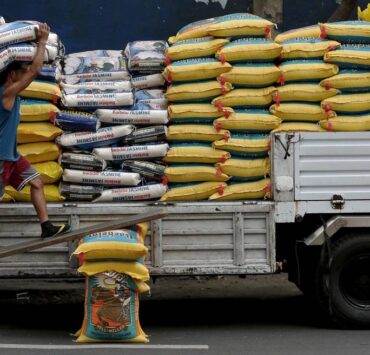
Ahead of the central bank’s next meeting, state statisticians reported that consumer prices rose 1.5 percent from a year ago in November, the softest pace of increase in four months, driven by cheaper rice.
That was lower than the 1.6-percent median estimate of analysts polled by the Inquirer and marked the ninth straight month that inflation undershot the BSP’s 2- to 4-percent target.
A widely expected rate cut by the US Federal Reserve at its Dec. 9 to Dec. 10 meeting could also give the BSP more confidence to ease further with fewer currency risks.
Reinielle Matt Erece, an economist at Oikonomia Advisory & Research Inc., said a modest 0.25 percentage point cut would be a “good compromise” to jolt the economy without putting too much pressure on the peso.
“The disappointing GDP (gross domestic product) growth so far calls for a positive catalyst from policymakers,” Erece said, adding that inflation remains “well-anchored” and is on track to land below 2 percent for the year despite recent holiday-driven upticks.
Bigger cut
BSP Governor Eli Remolona Jr. has hinted at a December cut but recently adopted a measured tone, saying the move was “not assured.” He has been clear, however, that the central bank would avoid outsized reductions that might stoke fears of a hard landing.

Even so, Miguel Chanco, an economist at Pantheon Economics in London, expects a larger move.
“We’re sticking to our view that the severe weakness of the third quarter GDP print a few weeks ago will be enough to persuade most members of the Board to sanction a larger 50-basis point rate cut [this] week, especially with headline inflation remaining very subdued, still underneath the BSP’s target range,” Chanco said.
But Jun Neri, lead economist at Bank of the Philippine Islands, cautioned against jumbo cuts. “An overly aggressive easing cycle could force the BSP into an abrupt reversal should inflation pick up unexpectedly, potentially leading to sharper-than-ideal rate hikes later on,” he said.
“A gradual easing path could bring the policy rate down to 4 percent in 2026, providing support to an economy that will likely depend more on monetary policy in the near term given the constraints on fiscal spending,” he added.