








BSP seen unlikely to rush into hawkish action

The Bangko Sentral ng Pilipinas (BSP) is not expected to move immediately despite rising oil prices. However, the prospect of interest-rate hikes could increase if global crude remains elevated over the longer term.
In a note to clients, Gareth Leather, senior Asia economist at Capital Economics in London, said the BSP is unlikely to spring into hawkish action. That is, while inflation remains subdued and the economy still recovering from the fallout of a high-profile graft scandal.
The Monetary Board, the top policymaking body of the BSP, does not meet to set rates until next month.
But Leather added that the balance of risks could shift toward anti-inflation measures to protect households if oil prices stay high for an extended period. This, as efforts to contain the government’s fiscal deficit, could limit the state’s support to vulnerable sectors.
The peso’s volatility could further intensify price pressures, since a weaker currency makes imports more expensive. This, Leather said, could raise the chances of a policy response from the BSP.
“The economy’s heavy reliance on imported oil and gas means higher global prices would pass through relatively quickly to domestic fuel costs,” he said.
Global financial markets ended the previous week in turmoil after crude prices surged past $100 a barrel following joint attacks by the United States and Israel against Iran.
Tehran retaliated by striking Middle Eastern neighbors that host American forces and by restricting traffic in the Strait of Hormuz, a critical shipping lane for global oil exports.
Prolonged war
Fears of a prolonged war intensified after Tehran’s new supreme leader, Mojtaba Khamenei, said the Strait of Hormuz should remain closed and that Iran would continue attacks on its Persian Gulf neighbors.

The Philippine peso ended the previous week at 59.735 versus the greenback, a new record low.
Before the upheaval, domestic inflation had already risen to a 13-month high of 2.4 percent in February, though it remained within the BSP’s 2-percent to 4-percent target band.
That subdued inflation environment allowed the BSP to cut its key policy rate to 4.25 percent, the lowest in more than three years. This is meant to support a sluggish economy reeling from a corruption scandal.
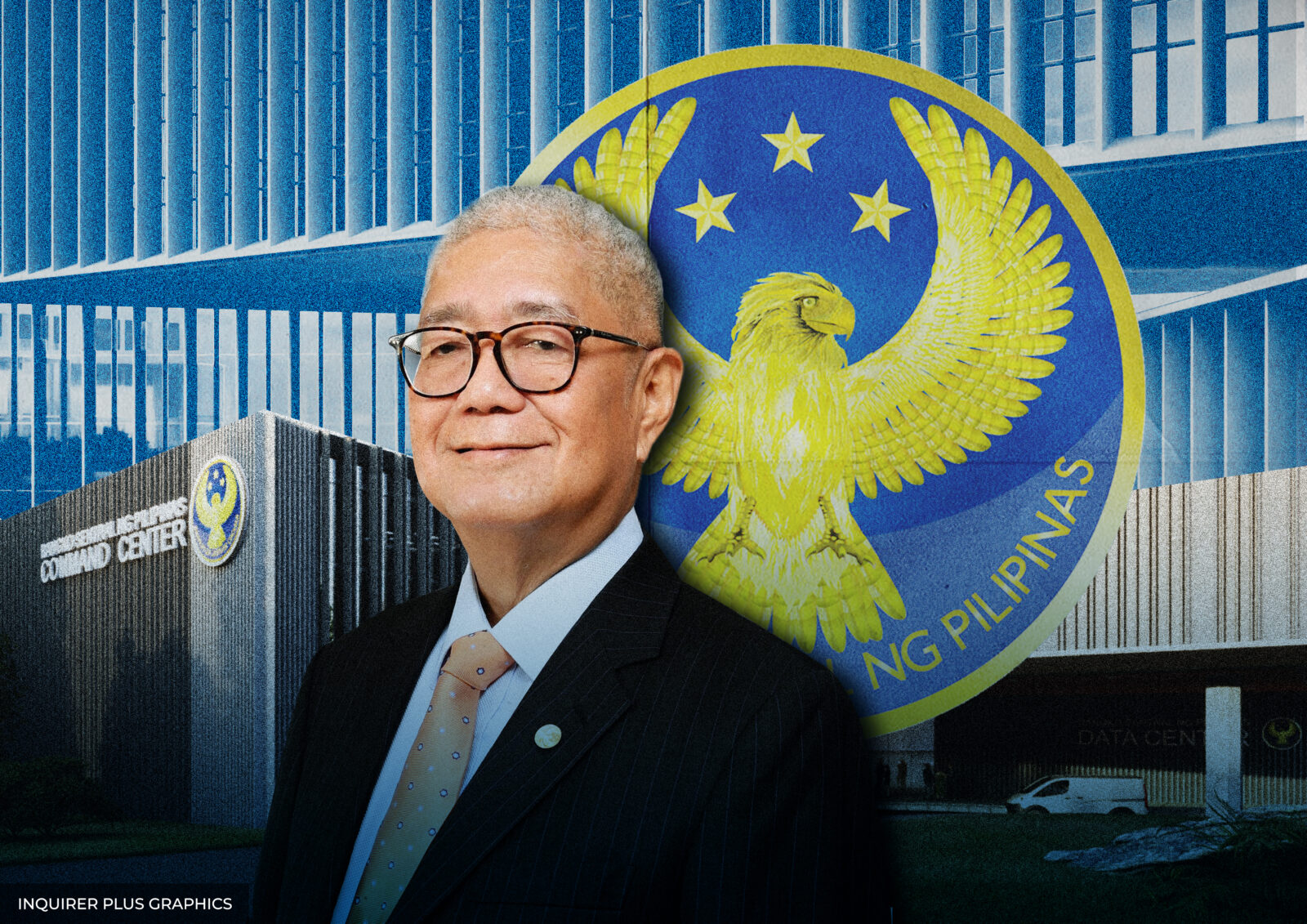
BSP Gov. Eli Remolona Jr. has warned that the central bank could reverse course and raise rates if global oil prices stay above $100 a barrel for an extended period and the dollar continues its rally.