










BSP unlikely to tolerate peso fall past 60:$1

The Bangko Sentral ng Pilipinas (BSP) is likely to step in to curb excessive peso weakness that could otherwise push the currency toward 60 to the dollar, BMI Research said, while maintaining a broadly bearish outlook on the peso this year.
In a note to clients, BMI, a unit of the Fitch Group, said it expected the peso to trade in a narrow range around 59 and end 2026 at 59.50 against the US dollar. The think tank cited weaker export growth, lower interest rates and elevated inflation as key drags on the currency.
Even so, the research firm said the central bank has sufficient dollar reserves to prevent a disorderly slide. As of January 2026, the BSP’s gross international reserves stood at a 16-month high of $112.5 billion, well above global adequacy benchmarks.
Over the next three to six months, BMI said “countervailing forces”—including broader US dollar weakness and growing expectations of another BSP rate cut—should keep the peso range-bound.
Beyond that horizon, however, the currency is expected to remain under pressure for the next six to 24 months, the firm said. BMI pointed to softening export growth, despite support from stronger global demand for electronics amid the artificial-intelligence (AI) boom, as well as the prospect of further monetary easing.
It expects the BSP to cut its policy rate by a cumulative half-percentage point to 4 percent this year, a move that could narrow yield differentials and dampen foreign inflows as the US Federal Reserve, the American central bank, is also seen easing by a similar amount.
Imported inflation
The firm also expects domestic inflation to accelerate in 2026, tilting the inflation differential in favor of the United States and, all else equal, drawing capital toward dollar assets and adding to pressure on the peso.
“That said, we think BSP will intervene against huge downside volatility beyond 60-per-dollar to curb imported inflation,” BMI wrote. “The BSP has sufficient reserves to defend the currency.”
The peso was battered last month, hitting an intraday low of 59.50 on Jan. 20 before recovering to close at 59.455 against the dollar, narrowly avoiding a breach of the record low closing of 59.44 set five days earlier.
A weaker peso has mixed implications for the Philippines. It lifts the domestic value of remittances from millions of overseas workers and could make Filipino exports more competitive.

At the same time, it risks pushing up import costs and reigniting inflation. Sustained depreciation could also raise the peso value of foreign debt held by the government and private firms.
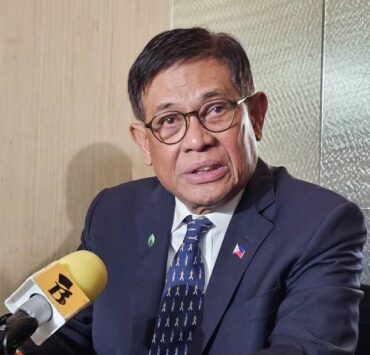
BSP Governor Eli Remolona Jr. has played down the prospect of an imminent slide to 60 per dollar, saying such a level would not automatically trigger forceful intervention. Any response, he said, would depend on the speed and disorderliness of the currency’s decline.
Looking ahead, BMI said risks to its outlook were “weighted towards a weaker peso.”
“A more hawkish Fed places considerable depreciatory pressure on the peso,” the firm said. “Furthermore, we expect exports to cool, but AI-linked trade is a key offset in our baseline. Should AI demand ease on softer capex sentiment, the current account would weaken further, weighing on the peso.”