








BSP warned vs ‘rash’ early interest rate hike

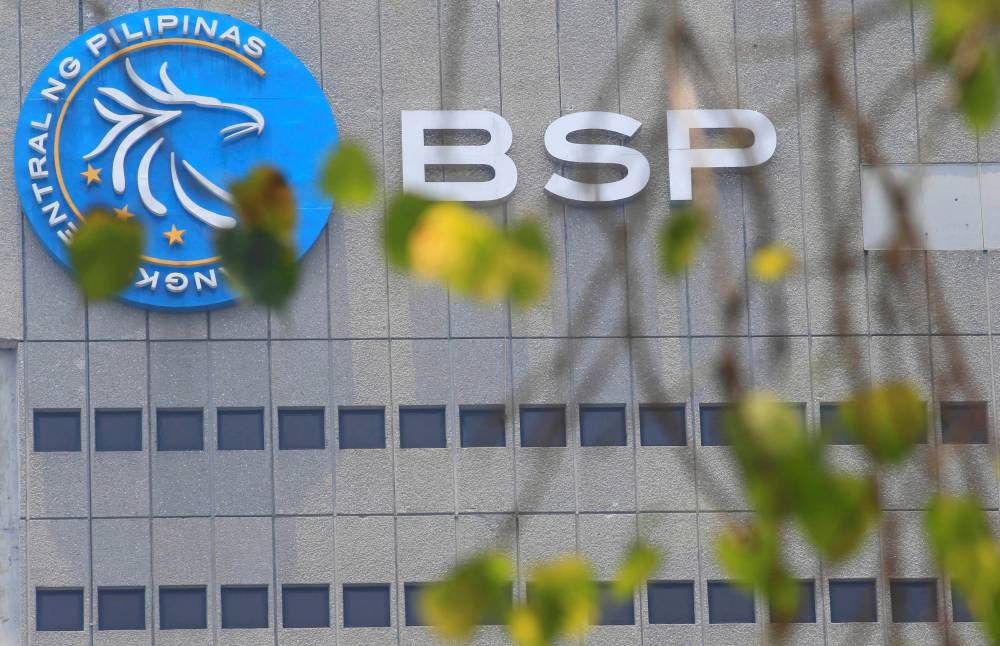
A move to raise interest rates as soon as April to contain inflation would be “rash,” London-based Pantheon Macroeconomics warned, arguing that economic conditions remain “more forgiving” despite turmoil in energy markets triggered by the Middle East conflict.
In a note to clients, Pantheon economists Miguel Chanco and Meekita Gupta said that while a rate increase is now a possibility amid the Middle East maelstrom, there are still reasons for the Bangko Sentral ng Pilipinas (BSP) to keep its benchmark rate unchanged at its April 23 policy meeting.
Among them is pending legislation to suspend excise taxes on fuel, which is now awaiting President Marcos’ signature. Chanco and Gupta said the measure alone could keep inflation from breaching the central bank’s 2-percent to 4-percent target range. If enacted, Pantheon expects average inflation to settle at 3.5 percent this year, down from its current forecast of 3.8 percent.
They also argued that adjusting monetary policy—typically aimed at choking off demand-driven inflation—would do little to address supply-side price pressures.
Overall, the economists said a repeat of the 2022–2023 inflation surge, when the Russia-Ukraine war pushed domestic inflation to nearly 6 percent, is “highly unlikely.” While disruptions to fertilizer supply from the Middle East conflict could lift food prices, they said any increase “should be manageable, if not negligible,” as the conflict does not directly affect key food commodities the way the war in Ukraine did with cereals and cooking oils.
“Domestically, the risk of this supply-side-induced inflation jolt spilling over into demand-side pressures is much smaller this time,” they said. “Restarting a rate-hiking cycle now, so soon after the most recent cut in February, would be a blow to the corporate sector.”
Upheaval
Violence in the Middle East has intensified following strikes by the United States and Israel on Iran, and Tehran’s retaliation against Gulf neighbors hosting American forces. The upheaval disrupted traffic in the Strait of Hormuz—a key route for roughly a fifth of global oil supply—raising concerns over energy prices.

Even before the turmoil, inflation had edged up to a 13-month high of 2.4 percent in February, though it remained within the BSP’s target range. That benign price environment had allowed the central bank to cut its key rate to a more than three-year low of 4.25 percent to support an economy still recovering from the fallout of a massive corruption scandal.
BSP Governor Eli Remolona Jr. has warned, however, that the central bank could reverse course if oil prices stay above $100 for an extended period and the US dollar continues to strengthen. Last week, the BSP said it was watching the conflict’s effects on the country’s current account, including remittances and trade, as well as financial markets.
“We are still a month away from the next meeting, and a lot can change in the Middle East before then,” Chanco and Gupta said.