










Energy shock from Middle East conflict to test PH economy

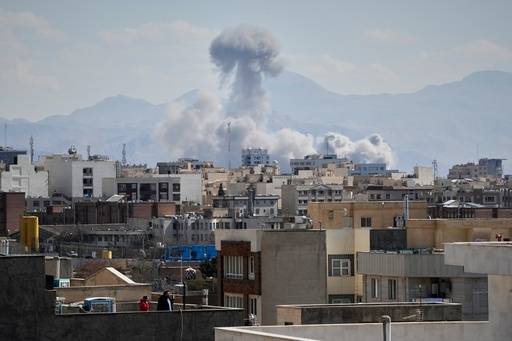
The Philippines may emerge as one of Asia’s economic losers amid the intensifying conflict in the Middle East, analysts warned, as higher global oil prices risk rekindling domestic inflation, eroding the peso’s early-year gains and complicating efforts by the central bank to support a sluggish economy.
In a note to clients, Nomura Global Markets Research estimated that every 10-percent increase in global oil prices could add about half a percentage point to Philippine inflation.
Faster price gains, the bank said, could then dampen key growth drivers such as household consumption and trim economic expansion by roughly 0.07 percentage point.
Imported energy
The violence escalated over the weekend after the United States and Israel attacked Iran, which retaliated with missiles and drones aimed at Israel and neighboring countries that host American forces, including the United Arab Emirates, Qatar, Kuwait, Bahrain, Iraq, Jordan and Saudi Arabia.
In Asia, Nomura said the Philippines, Thailand, India and South Korea were among the most exposed to higher crude prices because of their heavy reliance on imported energy, while Malaysia could benefit as a net exporter.
“The pass-through to domestic retail fuel prices will be significant and quick, exerting substantial upward pressure on headline inflation,” the Japanese investment bank said.
The war has reportedly disrupted traffic through the Strait of Hormuz, a narrow but vital corridor that carries a significant share of the world’s oil exports. This raises fears of supply shocks that could ripple across energy-importing economies.
On the currency side, Nomura said the higher energy prices could bloat the Philippines’ import bill, which could cap the peso’s strength. After sinking to record-lows in January, the local currency has since gained nearly 2 percent this year, tracking regional upswing amid a broader US dollar weakness.
Michael Wan, senior currency analyst at MUFG Global Markets Research, said the peso—along with Asian currencies such as the Korean won and Indian Rupee—are “more vulnerable” to oil price shocks. Such pressures—which could stoke imported inflation—may prompt the Bangko Sentral ng Pilipinas (BSP) to delay any additional cuts to interest rates, he added.
The BSP has lowered its key rate to an over three-year low of 4.25 percent since August 2024, though it acknowledged that its capacity to support an economy weakened by a graft scandal may be reaching its limits.

For now, the central bank expects inflation to average 3.6 percent this year and 3.2 percent next year, suggesting that consumer prices are likely to remain stable and on target, with any supply shocks seen as temporary.
“Overall, we don’t think Asian central banks will hike rates just because of this risk, but it could delay rate cuts for the likes of the Philippines and Indonesia, and further reduce the probabilities of cuts for markets such as India and South Korea,” MUFG’s Wan said.
******
Get real-time news updates: inqnews.net/inqviber