











Feb inflation quickens to 2.4%

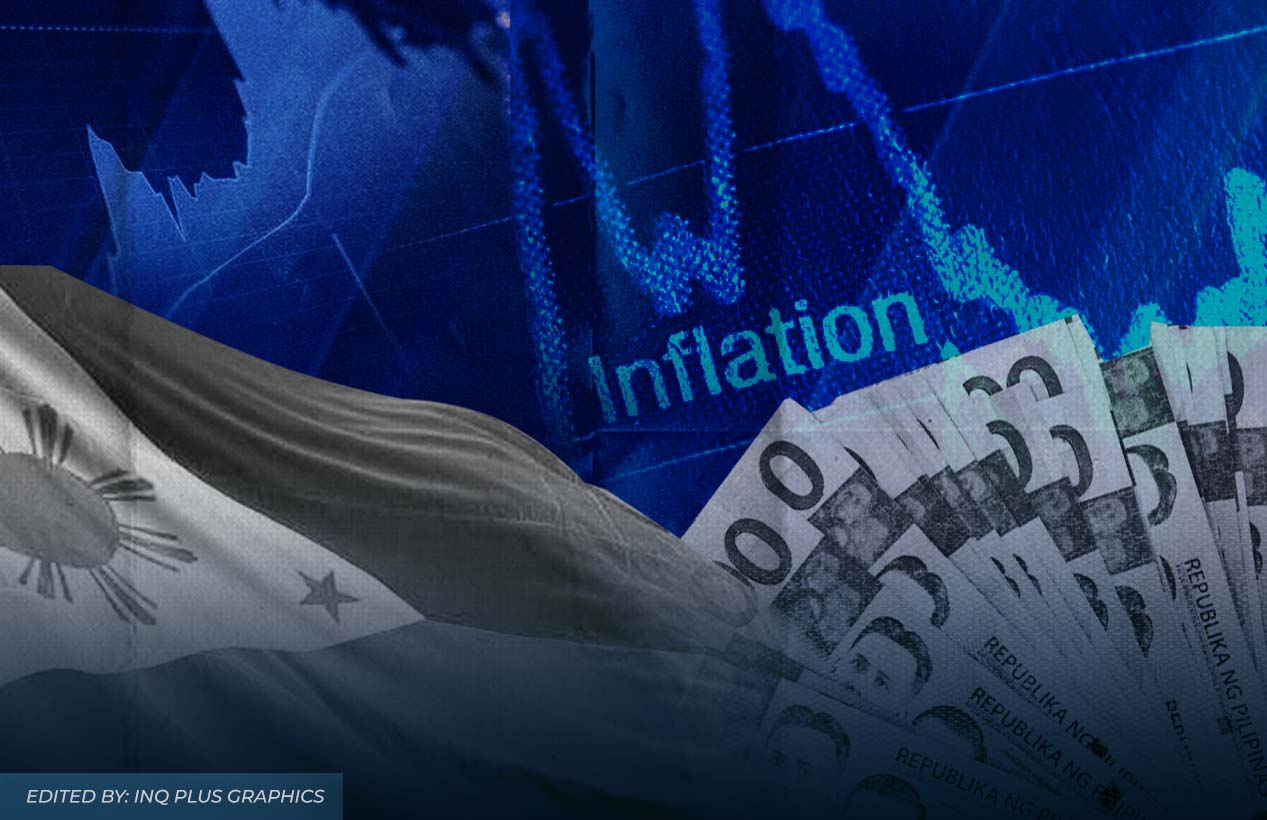
Philippine inflation swelled to a more than one-year high in February, extending its climb for a third straight month amid rising food, housing and utility costs.
Latest data from the Philippine Statistics Authority (PSA) on Thursday showed inflation climbed to 2.4 percent in February, the highest since the 2.9 percent recorded in January 2025.
This brought the two-month average inflation rate to 2.2 percent.
While the latest print was faster than January’s 2 percent, inflation remained within the central bank’s projected 2.3 percent to 3.1 percent range and came in below the 2.6 percent median estimate of 14 economists polled by the Inquirer.
Food, nonalcoholic beverages
State statisticians attributed the acceleration mainly to food and nonalcoholic beverages, whose inflation rate rose to 1.8 percent from 1.1 percent, accounting for more than half of the increase in the overall print.
Costs in housing, water, electricity, gas and other fuels also picked up to 3.5 percent from 3.3 percent, contributing about 10.6 percent to the month’s acceleration. This was followed by restaurants and accommodation services, which posted a 4.4 percent inflation rate from 4 percent previously.
Despite the uptick, analysts said the rise was largely due to base effects—meaning inflation appears higher partly because prices in the same period last year were relatively low—rather than a broad surge in consumer demand.
That said, economists warned that inflation risks remain tilted to the upside, particularly if escalating tensions in the Middle East trigger further increases in global oil prices. This war might leave the Philippines, a net oil-importing economy, among the biggest economic losers in Asia.
“But the key risk to monitor is energy prices. If the Middle East conflict sustains higher global oil prices, this could lead to second-round effects through transport, electricity, and logistics costs,” John Paolo Rivera, senior research fellow at the Philippine Institute for Development Studies (PIDS), said.
Jonathan Ravelas, senior adviser at Reyes Tacandong & Co, added that “while inflation remains manageable, the third straight monthly uptick tells us upside risks are building—especially if global oil supply disruptions persist.”
National Statistician Claire Dennis Mapa acknowledged these risks, saying higher oil prices could have spillover effects on sectors such as transport, housing and utilities, and food,
For its part, the Department of Economy, Planning and Development (DEPDev) said it is closely monitoring global developments and has measures in place to cushion potential fuel shocks and rising inflation.
“We are ready to deploy timely and targeted interventions should external shocks intensify. Our priority is to protect vulnerable households, support affected industries, and sustain the country’s growth momentum amid global uncertainties,” DEPDev Secretary Arsenio Balisacan said.
******
Get real-time news updates: inqnews.net/inqviber