









From lab to leaf: CLSU boosts war chest vs banana, cacao pests

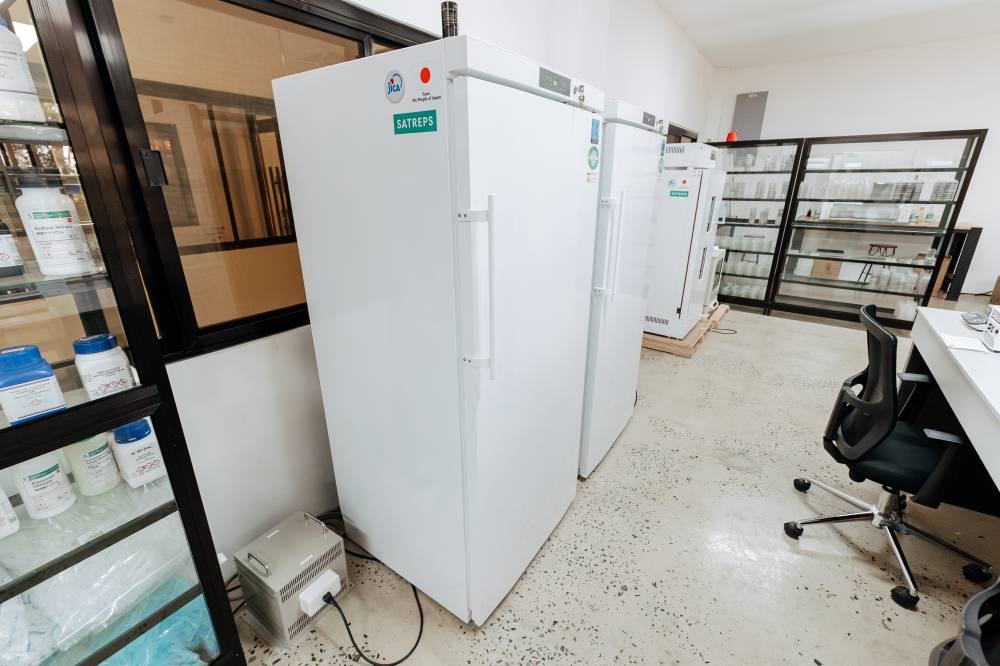
Central Luzon State University (CLSU) is turning to science and technology to strengthen defenses against plant diseases that threaten banana and cacao, two of the Philippines’ most valuable crops.
The CLSU recently unveiled its fungal biobank in Nueva Ecija, a centralized repository of fungal isolates or fungal strains, linked to major crop diseases affecting high-value crops.
“By improving sample preservation, the biobank is expected to support better crop disease diagnosis, strengthen research continuity and improve disease management,” the Japan International Cooperation Agency (Jica) says.
Jica supported the construction of CLSU’s fungal biobank through the Science and Technology Research Partnership for Sustainable Development Project for the Development of Novel Disease Management Systems for Banana and Cacao.
The newly opened facility is part of Jica’s broader effort to establish science-based disease management systems for high-value crops in the country.
“The project equally highlights the importance of investing in research infrastructure alongside field-based interventions to strengthen agricultural resilience,” Jica adds.
Isolates from bananas are currently stored at Tamagawa University in Tokyo, Japan, with support from the Bureau of Plant Industry (BPI).
The CLSU inaugurated its fungal biobank months after Tamagawa University and BPI had entered into a memorandum of agreement to generate innovative, science-based solutions for major banana and cacao diseases.
“A sustainable farm management system of banana and cacao is seen to boost the Philippines’ efforts to curb hunger and promote environment-food production,” Tamagawa University says on its website.
Signed in September last year, the accord envisions a collaboration framework for preserving and conserving microbial resources for ongoing and future research initiatives. These include the isolation, transfer and preservation of certain cultures and isolates.
The diseases that threaten banana and cacao production include Fusarium wilt and Sigatoka-like disease in bananas and vascular streak dieback (VSD) and pod rot in cacao.
Fusarium wilt is a widespread plant disease that hits banana plantations across the globe. Sigatoka disease, also known as black leaf streak, is a fungal disease that reduces bunch yield and quality of bananas.

VSD is a devastating fungal disease infecting cacao, causing branches to dry out from the tips.
Pod rot, literally translated as “the plant destroyer,” is one of the most destructive diseases of cacao. It spreads rapidly in times of excessive rain and humidity, insufficient sunshine and temperatures hovering below 21 degress Celcius.
Jica says transferring and preserving selected cultures and isolates to Tamagawa University will accelerate research on these plant diseases, as current regulations prohibit transferring isolates to other islands.
Banana and cacao are two of the 10 key agricultural commodities that the Department of Agriculture is promoting in the global market.
Asparagus, avocado, cacao, calamansi, coffee, dragonfruit, durian, okra, pomelo and rambutan also take center stage in the agency’s more aggressive export expansion.