







Holcim seals P358-M alternative fuel upgrade

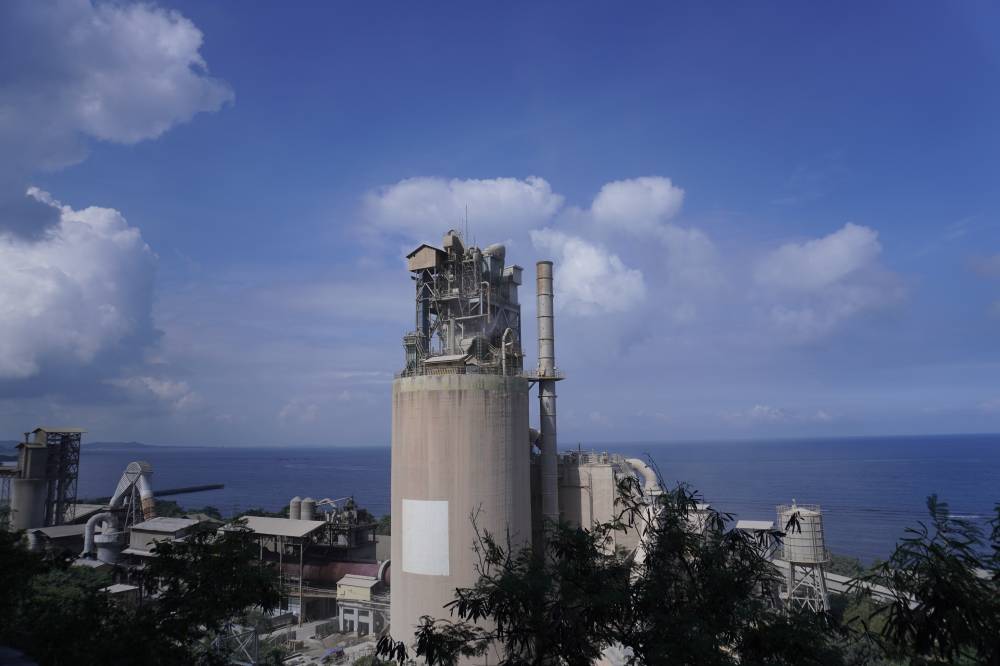
Cement manufacturer Holcim Philippines has completed a P358-million investment in a new alternative fuel feeding system at its La Union plant, strengthening its push to cut emissions and align with the industry’s decarbonization road map.
In a statement on Wednesday, the cement maker said the installation of the new system would allow the Bacnotan plant to increase its use of alternative fuels and reduce dependence on traditional fossil fuels that emit more carbon dioxide.
Holcim said the new system was expected to reduce net carbon emissions at the plant by about 12 percent per ton of cementitious materials produced.
“This investment reflects our commitment to decarbonizing our operations while ensuring we remain ready to serve the market as demand recovers,” said Holcim president and CEO Nicolas George.
Cement manufacturing is a major source of emissions globally, accounting for an estimated 6 percent to 7 percent of greenhouse gas output, according to industry data.
Renewable energy, too
Holcim said the initiative supported its long-term goal of reaching “net zero” emissions by 2050.
Beyond the new alternative fuel feeding system, Holcim is also ramping up its shift toward renewable energy.
The company has entered into a partnership with renewable energy platform Peak Energy to develop and operate ground-mounted solar photovoltaic systems at its La Union and Bulacan plants.
This project, now in its first phase, involves the installation of a 13-megawatt-peak (MWp) solar facility in Bacnotan, La Union, and a 12-MWp facility in Norzagaray, Bulacan.
Under a 20-year power purchase agreement, Peak Energy will finance, install, operate and maintain the solar facilities, while Holcim will purchase the electricity generated.

Once fully operational by 2027, the combined solar installations are expected to generate about 40 gigawatt-hours of clean energy annually and cut carbon dioxide emissions by roughly 28,000 tons per year.
Holcim’s initiatives come as the local cement industry moves to seal a national decarbonization road map, aimed at reducing carbon emissions from one of the country’s most energy-intensive industries.
This road map will outline how cement producers plan to reduce emissions through 2050.
Once finalized, the plan will make the Philippines the only Asian country to adopt a sector-wide cement decarbonization strategy, following Thailand, and will later be presented at the Southeast Asian level.