










IMF calls for higher tax collections, debt cuts

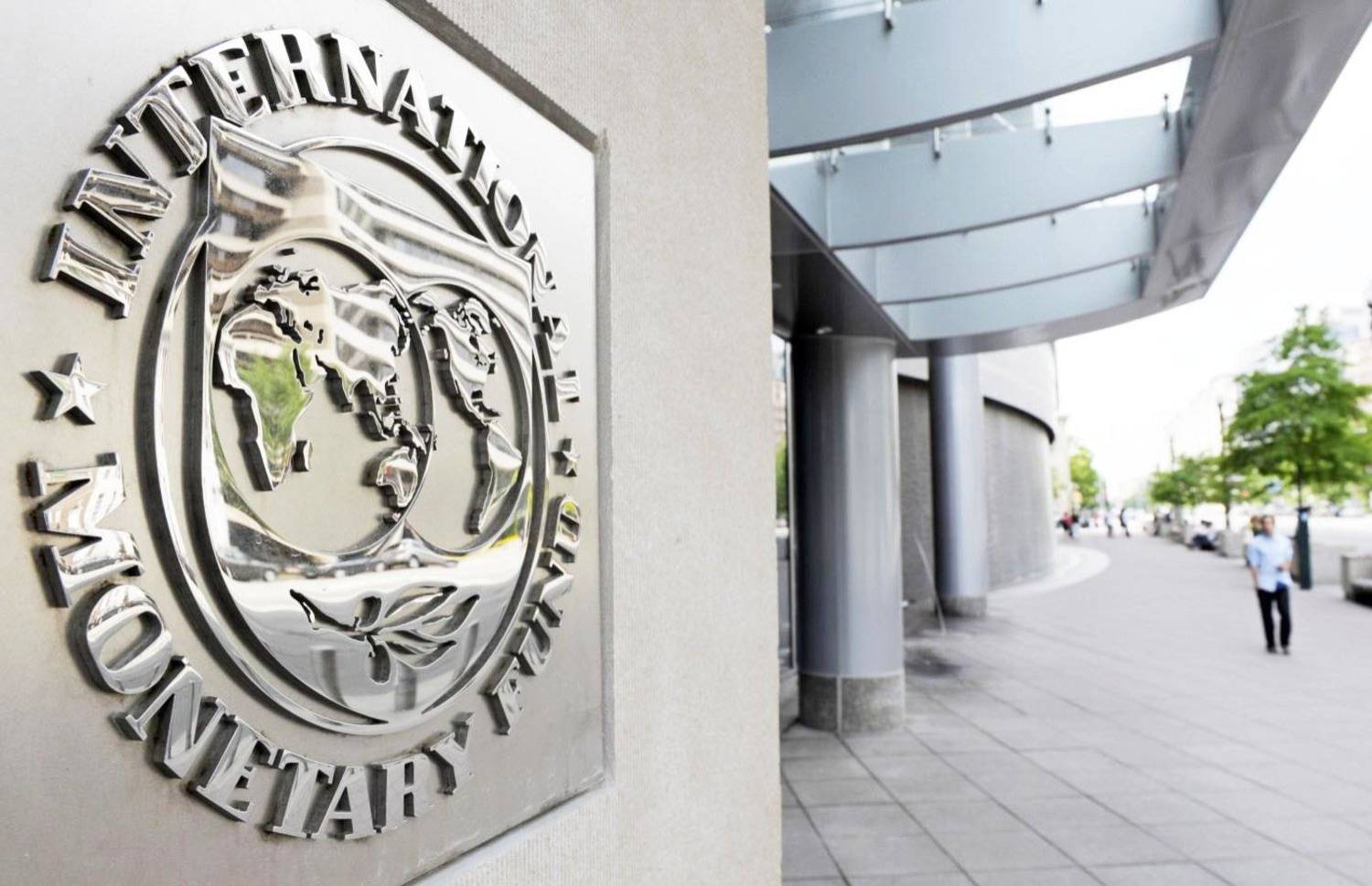
The International Monetary Fund (IMF) urged the Philippine government to boost tax collection to increase revenues, which would enable greater public spending to support economic growth while accelerating debt reduction.
In its latest country report, the Washington-based lender said that strengthening tax mobilization should form the backbone of the country’s medium-term fiscal consolidation, making it more sustainable and growth-friendly.
The IMF added that the Philippines has substantial potential to increase its tax revenues.
While revenue-raising measures typically yield smaller economic multipliers than spending initiatives, the IMF said that stronger collections would allow the government to fund critical projects and programs without risking its budget deficit targets.
“Tax administration reforms remain a priority, particularly in the areas of compliance risk management and data analytics,” the fund said.
“However, there are important benefits to complementing them with tax policy measures, as tax administration measures may take time to implement, the gains are more uncertain and may be realized gradually,” it added.
To accelerate debt reduction, the fund recommended tax reforms, including improving the efficiency of the value-added tax (VAT) and introducing measures with a positive health impact, such as higher excise taxes on sugary drinks. It also suggested a reduction in VAT exemptions on residential property ownership.
At the same time, the IMF cautioned against broad tax amnesty programs that lack proper safeguards, such as amendments to the bank secrecy law.
On the spending side, the fund said strengthening the capacity and incentives of local governments to budget, execute and report expenditures would support effective devolution of responsibilities.
Finally, it recommended reforming pensions for military and uniformed personnel by introducing a contributory system and stopping the automatic indexing of pensions to the salaries of current employees, helping to control compensation costs.

Latest data show the government had posted a budget deficit of P1.26 trillion from January to November, up 7.4 percent from the same period last year. Still, the shortfall remained below the P1.56-trillion ceiling set by the Marcos administration for 2025, equivalent to 5.5 percent of gross domestic product (GDP).
Revenues for the first 11 months edged up 1.1 percent to P4.15 trillion, still short of the year’s target of P4.52 trillion.
On the other hand, expenditures rose 2.5 percent to P5.41 trillion, remaining under the planned spending limit of P6.08 trillion.
To plug the budget hole, the government planned to borrow P2.6 trillion from creditors this year.
Looking ahead, officials project that outstanding debt would reach P24.7 trillion by 2030, or about 58 percent of the Philippines’ projected GDP of P42.6 trillion.


Why reform commissions rarely deliver