










IMF: Climate change could cost PH 2% of annual GDP

Economic losses from increasingly destructive typhoons could reach as much as 2 percent of annual output if the Philippines fails to implement climate adaptation measures, the International Monetary Fund (IMF) said, underscoring the rising risks posed by climate change.
In its latest country report, the IMF estimated that recurring damage from typhoons—the country’s most frequent natural disaster—currently amounts to about 0.2 to 0.3 percent of gross domestic product (GDP) annually, a toll that could rise significantly without stronger action by local authorities to build resilience.
Climate shocks are already adding to downside risks to economic growth, the IMF said, compounding pressures from “lower-than-expected” reforms and persistent infrastructure gaps that have long discouraged larger inflows of job-generating foreign investments.
“Over the long term, the economic effects of climate shocks and trends are expected to increase, with climate models forecasting more intense typhoons and sea level rise,” the Washington-based fund said. “Public sector investment in adaptation is critical to raise macroeconomic resilience to climate shocks and protect the vulnerable.”
The IMF’s findings come amid a deepening corruption scandal involving anomalous flood mitigation projects, exposing governance weaknesses and underscoring how graft has hampered climate adaptation efforts in a country widely regarded as among the most vulnerable to climate change risks.
Climate shocks
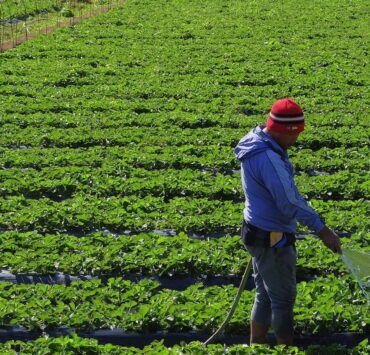
In the same report, the fund estimated that climate shocks—operating through supply, demand and expectation channels—could increase inflation by up to 0.6 percentage point (annualized) in a typical year. This, the IMF said, disproportionately impact the agriculture sector, pushing up food prices.
Such a development could complicate monetary policymaking for the Bangko Sentral ng Pilipinas (BSP), the fund added, as the central may be forced to absorb a temporary increase in inflation while being careful in containing inflation expectations during large calamities.
While accommodating some of the shocks risks triggering a rise in inflation expectations, the IMF said tightening monetary policy by raising interest rates to keep inflation at target would raise the cost of capital, which can delay postdisaster reconstruction and pose a greater loss in output.

That said, the IMF highlighted the critical role of a “coordinated” response among state agencies during such situations.
“Faced with these tradeoffs, the BSP should accommodate a temporary spike in inflation while containing any increase in inflation expectations,” it said.
“A coordinated policy response (e.g., lowering tariffs on food imports) can help alleviate some of these tradeoffs,” it added.