







IMF sees sub-6% growth for PH through 2027

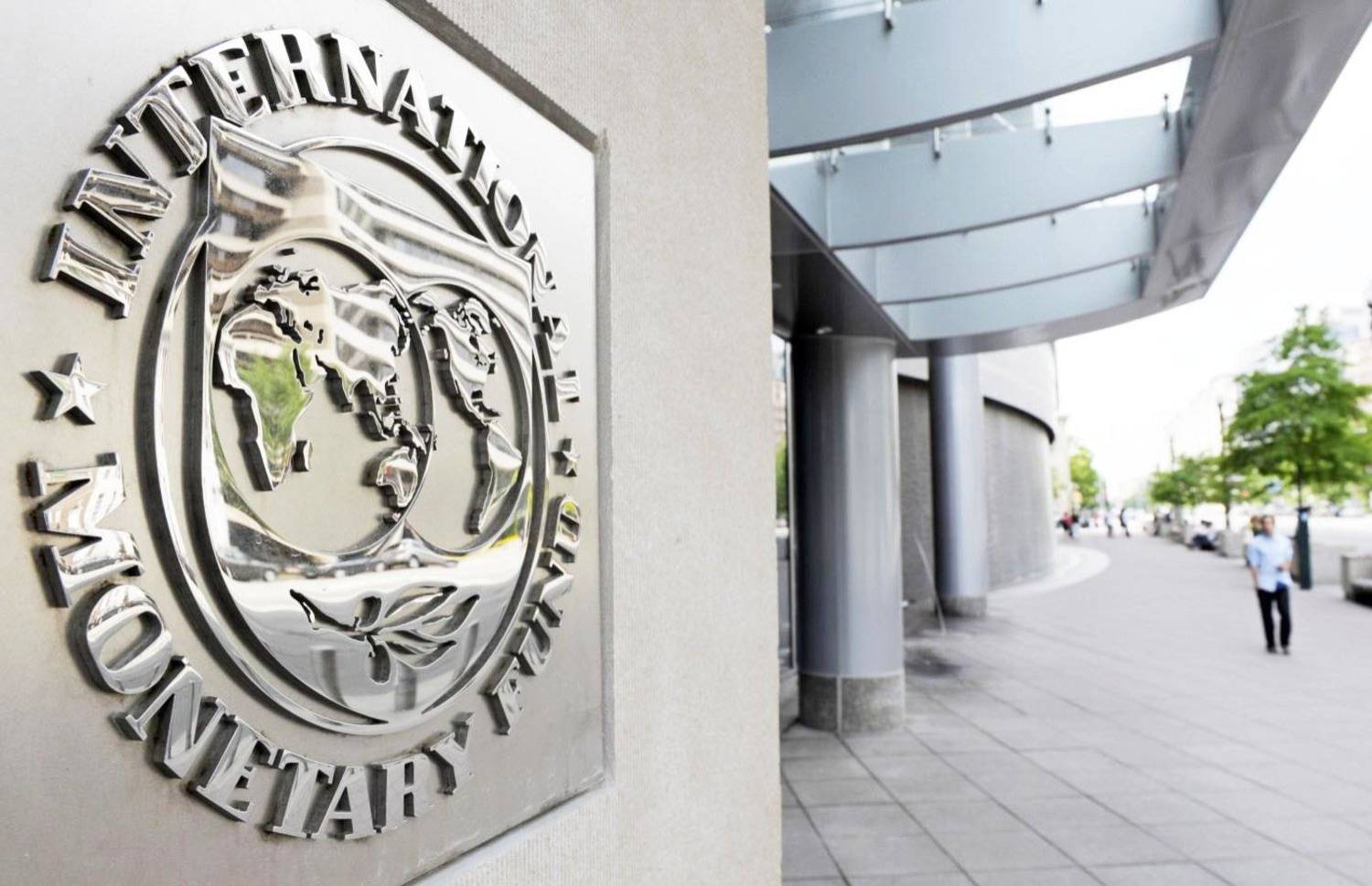
The Philippines is unlikely to post growth of 6 percent or more until 2027—the penultimate year of the Marcos administration—as the drag from a widening corruption scandal and repeated climate shocks spills into the coming years, according to the International Monetary Fund (IMF).
In its latest World Economic Outlook released on Monday, the Washington-based lender said the economy likely expanded by 5.1 percent in 2025, down from its previous estimate of 5.4 percent and slower than the 5.7 percent growth recorded in 2024.
The downgraded forecast would also fall short of the government’s 5.5 to 6.5 percent target for last year, underscoring the economic costs of the sweeping probe into anomalous flood control projects. Already, the scandal has dented public confidence, slowed public infrastructure spending and undermined the country’s climate adaptation efforts.
The revision would set off a chain reaction, the fund said, leading to further cuts to its projections in the years ahead. Growth in 2026 was estimated at 5.6 percent, down from the IMF’s old forecast of 5.8 percent, with a rebound to 5.8 percent seen next year, though weaker than the fund’s previous projection of 6.1 percent.
The IMF said the Philippines may return to its estimated growth potential of about 6 percent only in 2028, when a new president is set to take office.
“Risks to the growth outlook are tilted to the downside,” a spokesperson for the IMF said. “The main external downside risks include an escalation of trade restrictions and prolonged uncertainty, geopolitical tensions and disruptive financial market corrections.”
“Extreme climate events and lower-than-expected reform momentum represent other domestic downside risks,” the spokesperson added.
Still, the country was poised to outpace average growth for both the global economy and emerging markets over the forecast period, the fund’s estimates showed.
Gov’t stimuli
The IMF said the world economy was facing rising risks, including from the concentration of tech investment and the negative effects of trade disruptions, which may build over time.
But Philippine economic growth has already slowed amid the high-profile graft scandal, which has implicated lawmakers and government engineers. Growth in local output fell to a four-year low of 4 percent in the third quarter of 2025, according to government data.

To help offset the drag, the Bangko Sentral ng Pilipinas cut its benchmark rate by a quarter point to 4.5 percent at its Dec. 11 meeting, bringing total reductions since the easing cycle began in August 2024 to two percentage points.
Government officials last week met with business leaders to reaffirm their commitment to “big, bold reforms” aimed at strengthening governance and promoting sustainable growth.
But Diwa Guinigundo, an economist at GlobalSource Partners and a former deputy governor of the central bank, said restoring investor confidence would require more than aspirational reform rhetoric.
“It demands measurable progress in governance, accountability and fiscal responsibility,” Guinigundo said. “Without these, efforts to streamline regulations and promote investments will remain cosmetic—and business sentiment will continue to slump despite official assurances.”
Looking ahead, the IMF cited factors that could help the country unlock a higher growth potential. “On the upside, accelerated implementation of structural and governance reforms can boost investment and FDI (foreign direct investment), increase fiscal multipliers and boost potential growth,” the fund said.