






Iran conflict, oil surge deepen PH risk exposure

The war in Iran and the oil price shock it unleashed have underscored the Philippines’ vulnerability to economic crime and geopolitical risk, according to a new report that warned of a “troubling trend”—a widening cluster of countries facing significant threats.
The Philippines scored 72.6 out of 100 in the 2026 Economic Crime and Geopolitics Index, a measure that assesses corruption levels, the severity of economic crime, public response and geopolitical pressures to gauge how these forces shape political stability.
The score edged up from 71.65 in November 2025, keeping the Philippines in the “high-risk” category together with Afghanistan, Pakistan, Sir Lanka, Bangladesh, India, Nepal, Myanmar, Indonesia, Cambodia and Thailand.
Countries facing “medium” level of risk include Vietnam, Laos, Malaysia and Maldives. Meanwhile, Singapore, Brunei and Bhutan face low risk.
The index was developed by Asanga Abeyagoonasekera, a Sri Lankan foreign policy analyst and senior fellow at the Millennium Project in Washington, DC, to serve as a “forward-looking early-warning mechanism” for governments, investors and security analysts.
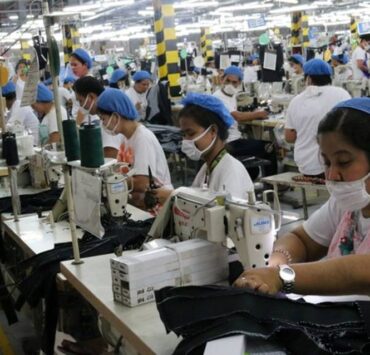
For countries like the Philippines, their integration into global manufacturing networks exposed them more directly to external shocks created by the war, the report noted.
“This shift is not primarily the result of domestic governance deterioration. Rather, it reflects the systemic impact of external geopolitical pressures, including energy supply disruptions, rising import costs, and supply chain instability triggered by the Iran war,” the report read.
“The disruption of key maritime chokepoints has amplified the strategic importance of Indo-Pacific economies, effectively transforming what was once a fragmented risk landscape into a continuous high-risk corridor spanning South and Southeast Asia,” it added.
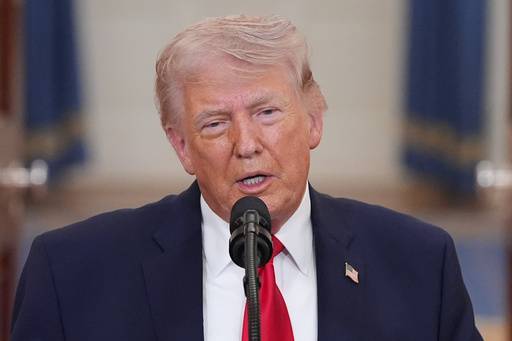
US President Donald Trump’s war on Iran has dragged into its sixth week, with threats to bomb key Iranian infrastructure and a new deadline for Tehran to reopen the Strait of Hormuz, a narrow passage that handles about 20 percent of global oil exports.

Senior Iranian officials issued their own warnings in response, saying the strait would remain blocked until Iran receives payment for war damages. Last week, the Philippines—the first country to declare a national energy emergency amid the oil price shock—obtained Tehran’s assurance that Philippine-bound oil shipments would be allowed safe passage through the strait.
Even so, petroleum industry sources said it was unlikely that fuel prices at the pump would soon come down from where they have risen since the Middle East conflict erupted. The turmoil has already prompted the central bank to raise its average inflation forecast for 2026 to 5.1 percent from 3.6 percent previously, with price gains likely to hit as high as 5 percent in April and breach the official target band of 2 percent to 4 percent.
“Economic crime risk is no longer isolated within national boundaries but is being amplified systematically across the region by external shocks,” the report noted.
“Taken together, these trends visually and analytically reinforce the emergence of a continuous high-risk corridor across the Indo-Pacific,” it added.