






Iran war could drag down PH growth sub 3%

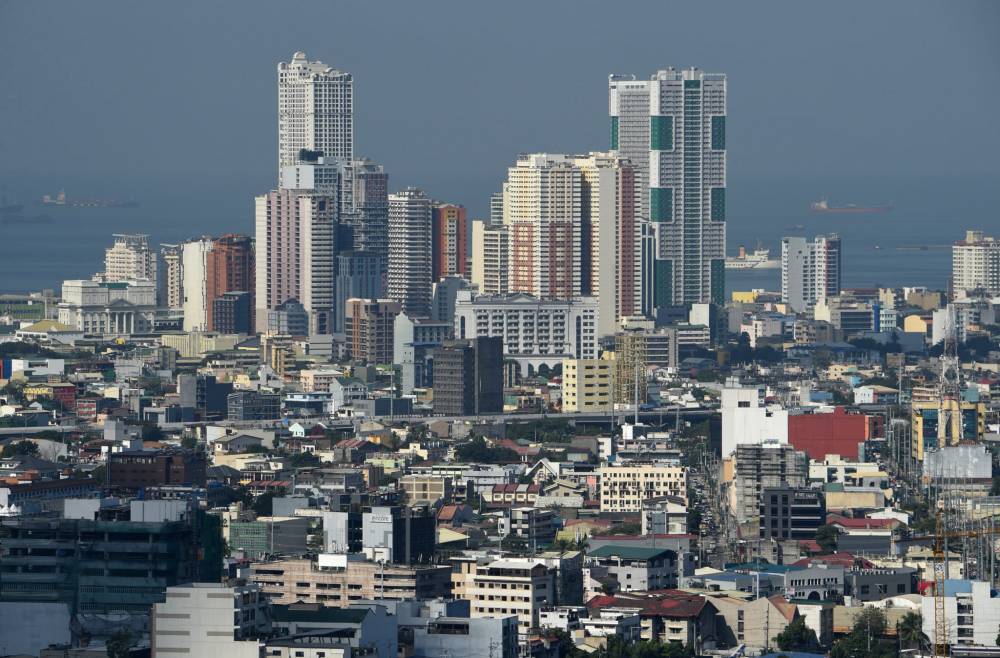
The twin shocks of a graft-fueled slump in confidence and soaring oil prices due to the Middle East war are expected to keep economic growth sluggish in the first half of 2026. Any meaningful recovery hinge on the war’s duration and the Philippine government’s willingness to boost spending to help Filipinos weather the downturn.
Cid Terosa, an associate professor at the School of Economics at the University of Asia and the Pacific, said first-quarter growth could still surpass the sluggish 3-percent expansion seen in the last three months of 2025. This would be thanks to subdued inflation early in the year.
“Before the US-Israel-Iran war began, inflation was trending below target, and the effects of the 2025 interest rate cuts were starting to flow through the economy, as reflected in improving business sentiment and activity,” he said.
But Terosa warned that a prolonged war could drag second-quarter growth. “It is possible to see growth fall below 3 percent if the conflict continues unabated,” he said.
Many analysts attributed last year’s weak 4.4-percent growth to a mix of climate-related disruptions and the Marcos administration’s sweeping anticorruption drive, which curbed government spending and weighed on confidence.
The situation worsened after the United States and Israel launched joint attacks against Iran starting Feb. 28.
Now in its fourth week, the war has disrupted traffic in the Strait of Hormuz, a key route for roughly a fifth of the world’s oil supply.
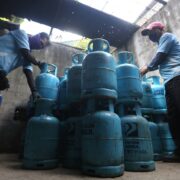
The turmoil has heightened concerns over energy prices for oil-importing economies like the Philippines. It became the first country to declare a state of national energy emergency in response to the crisis.
The conflict in the Middle East could lower economic growth in developing Asia and the Pacific by up to 1.3 percentage points over 2026 to 2027 and raise inflation by 3.2 percentage points if energy market disruptions last more than a year, according to new research by the Asian Development Bank.

According to the Asian Development Bank, the war in the Middle East could lower economic growth in developing Asia and the Pacific by up to 1.3 percentage points over 2026 to 2027. It could raise inflation by 3.2 percentage points if energy market disruptions last more than a year.
In a note to clients, analysts at ANZ Research said support from the Bangko Sentral ng Pilipinas (BSP) was nearing its limits. This leaves the task of reviving an economy battered by systemic graft and oil volatility squarely on the government’s ability to ramp up spending.
“The BSP’s policy path is now more challenging as rising inflation risks will limit future rate cuts,” ANZ said.
“Markets are now pricing in rate hikes over the next 12 months as expectations of a swift resolution to the conflict are diminishing. Limited monetary policy space at this stage of the economic cycle further amplifies the need for fiscal policy to step up,” the analysts added.