











IT-BPM industry in PH outpaced global growth in 2025

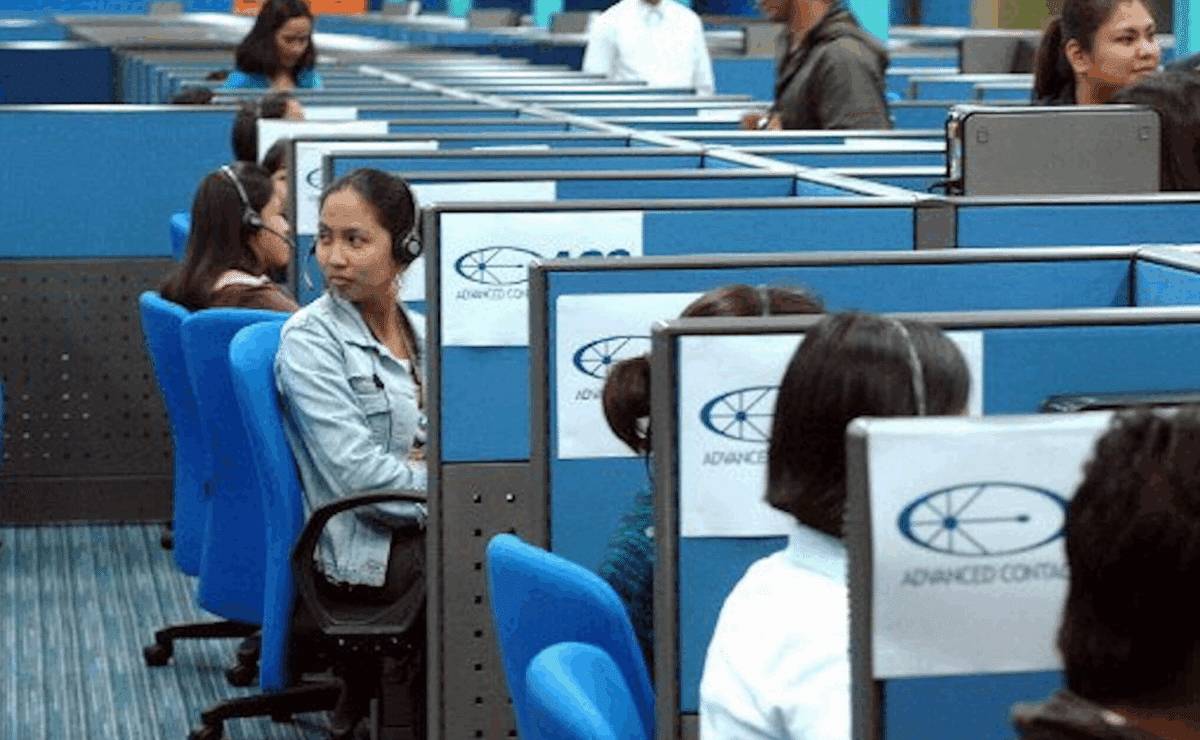
The Philippines’ information technology and business process management (IT-BPM) industry grew faster than the global average in 2025. It is also on track to generate $42 billion in export revenues in 2026, according to the IT and Business Process Association (IBPAP).
IBPAP said the sector ended 2025 with export revenues of about $40 billion and a workforce of 1.9 million workers.
This translated to a 5-percent increase in export revenues. Job growth was pegged at 4 percent.
Globally, industry growth averaged at 3 percent.
“Despite macroeconomic headwinds, the Philippine IT-BPM industry grew faster than the global market,” said IBPAP president and CEO Jack Madrid.
He attributed the growth to “a strong ecosystem, resilient IT-BPM member companies and the digital Filipino workers delivering high-value work with global clients.”
IBPAP said employment in the sector is expected to rise further to 1.97 million jobs by 2026.
As it stands, the IT-BPM sector accounts for more than 8 percent of the Philippine gross domestic product.
IBPAP said one of the major developments in 2025 was the continued expansion of global capacity centers (GCCs). This reflected rising demand for Filipino professionals in analytics, business intelligence, project and program management, transformation and strategy roles.
GCCs are strategic units of a company that support global operations. They deliver a wide range of services such as IT, finance, customer service and research and development.

The industry group also pointed to policy developments in 2025 that helped shore up investor confidence, including the passage of the Create More law and clarifications on work-from-home rules for economic zone locators.
Investor sentiment also shifted toward longer-term planning. Companies expanded into and invested in health care, financial services and technology-enabled operations, IBPAP said.
Growth in the sector was largely decentralized, reaching regional hubs such as Cebu, Iloilo, Bacolod, Davao, Cagayan de Oro and Clark.
To sustain momentum into 2026, IBPAP said the industry must continue to invest in the GCC expansion and the workforce. At the same time, they should responsibly scale up the use of artificial intelligence.
“Our focus moving into 2026: relentlessly upskill our workforce, embrace higher-value work and continue working closely with government, academe and investors to keep the Philippines at the heart of global services,” Madrid said.