






June BOP surplus biggest in 2 years

The Philippines recorded its largest monthly dollar surplus in nearly two years in June, buoyed by seasonal inflows and foreign exchange earnings despite market turbulence fueled by the Middle East conflict.
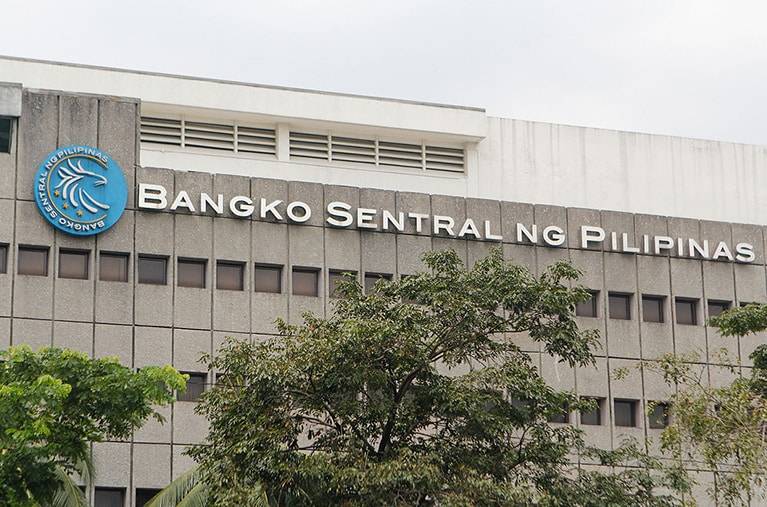
The country’s balance of payments—a broad measure of money flowing into and out of the economy—registered a surplus of $3.4 billion in June, according to data released by the Bangko Sentral ng Pilipinas (BSP). The surplus, the largest since September 2024, reflected foreign exchange inflows that outpaced outflows during the month.
The stronger June performance narrowed the balance of payments deficit for the first half of the year to $3.9 billion, leaving it well below the central bank’s full-year forecast of a $10.7-billion shortfall.
“June’s surplus likely came from a mix of seasonal dollar inflows, government external financing and valuation gains,” said Robert Dan Roces, group economist at SM Investments. “It’s a positive signal, but not yet a trend.”
John Paolo Rivera, senior research fellow at the Philippine Institute for Development Studies, said last month’s surplus indicated that the Philippines continues to benefit from resilient external income sources despite global uncertainties.
Still, Rivera said one month’s surplus should be interpreted with caution. “The outlook remains broadly favorable, supported by remittances and services exports, but risks from higher oil prices, geopolitical tensions and weaker global demand could still weigh on the country’s external position in the coming months,” he added.
Consequently, the country’s gross international reserves—foreign assets that serve as a buffer against external shocks—rose to $104.7 billion in June, a three-month high.
The stockpile still covered 6.8 months of imports and was roughly 3.7 times the country’s short-term external debt based on residual maturity, well above global adequacy metrics.

Ruben Carlo Asuncion, chief economist at UnionBank of the Philippines, said a stronger external payments position could help support cushion the economy against external shocks and reduce pressure on the peso.
“Looking ahead, we expect the BOP position to remain volatile but improve relative to the first half of the year,” he said.
“While structural challenges remain, particularly the country’s persistent merchandise trade deficit and sensitivity to global capital flows, steady inflows from remittances, services exports, foreign direct investments and government financing should continue to provide support to the external sector,” he added.


