

Legacies of courage: Chinese support for PH Revolution, World War II resistance

Siopao, siomai, pancit, lumpia, cultural traditions, charities and trade are not the only legacies of the ethnic Chinese minority in the Philippines, but also the community’s support for the Filipino nation’s struggles for national liberation from foreign colonial conquest and invasions. Also, many of the Filipino “ilustrado” reformers agitating for societal changes or revolutionary heroes were from prominent Chinese mestizo families like national hero Dr. Jose Rizal and others.
1. Chinese uprisings against Spanish colonial oppression – During the 333 years of the Spanish colonial period in the Philippines from 1565 to 1898, there were several armed revolts against the Spanish colonial regime by indigenous Moro (Filipino Muslims), Lumad, Indians, Chinese (called “Sangleys” by the colonizers from the Hokkien word “seng-li” or “to do business” or from the Hokkien term “siong-lay” or “frequently coming”), and Insulares (Filipinos of full or near full Spanish descent).
Chinese revolts like in the years 1603 and 1662, and the 1593 killing by Chinese boat rowers of then Spanish Governor General Gómez Pérez Dasmariñas had contributed to the long series of rebellious attempts to end colonial oppression in the Philippines.
Another 1686 Chinese uprising led to Manila’s Chinese bakers hailed to court all the way to Madrid, with wild accusations that the revolt was hatched inside the Spanish-owned pioneer Royal Bakery in Intramuros where all bakers were Chinese and claiming that the Chinese bakers were allegedly adding broken glasses to breads to kill the colonizers.
After the Chinese bakers were vindicated from false accusations, food historian Felice Sta. Maria wrote: “Augustinian friar Casimiro Diaz records that the Chinese were eventually called back by the Spanish community because the bakeshop had become inefficient under the new order. Subsequent inquiry into the plot revealed that millstone, not glass, spoiled the bread, and that it was unintentional and due to recent milling rather than a real conspiracy. Till now, no one is sure who covered up for whom.”
2. Support for anti-colonial Philippine Revolution – Apart from several Chinese rebellions against Spanish colonial misrule in past centuries, not many people remember that Chinese entrepreneurs were among the top supporters and financiers of the 1890s Philippine Revolution against Spain and even up to the Philippine-American War.
Among the illustrious names we should forever remember and honor include the anti-colonial financier Roman Tanbensiang Ongpin, the first-generation Chinese immigrant General Jose Ignacio Paua (who valiantly fought for Philippine independence against the Spaniards and later against the American invaders, successfully soliciting lots of financial contributions from Chinese traders in different regions), and many others.
One hundred twenty-five years ago in 1898, Philippine Revolution leader President Emilio Aguinaldo had sent emissary Dr. Mariano Ponce to meet Chinese revolutionary hero and later China’s first republican president Dr. Sun Yat Sen in Japan to seek support. The Japanese authorities were wary of selling arms to the Filipino revolutionaries due to the entry of the new colonizer USA in the Philippines. Dr. Sun used his high-level connections in Japan and supported Filipino revolutionaries in acquiring weapons for shipments. Both the Philippines and China were then fighting anti-colonial oppression.
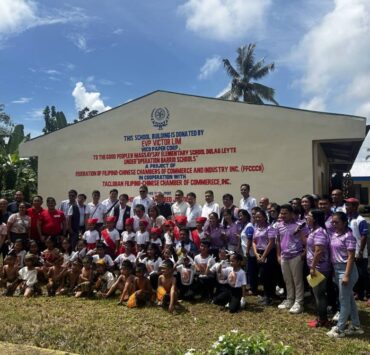
On Nov. 18, 2019, the Federation of Filipino Chinese Chambers of Commerce and Industry Inc. (FFCCCII) Public Information Committee arranged for the granddaughter of Dr. Sun Yat Sen the Hawaii-based Dr. Lily Sun Sui-Fong to meet and dialogue with the grandnephew of President Aguinaldo, ex-Prime Minister Cesar E. A. Virata, before FFCCCII president Dr. Henry Lim Bon Liong and the media at the Pandesal Forum in Quezon City.
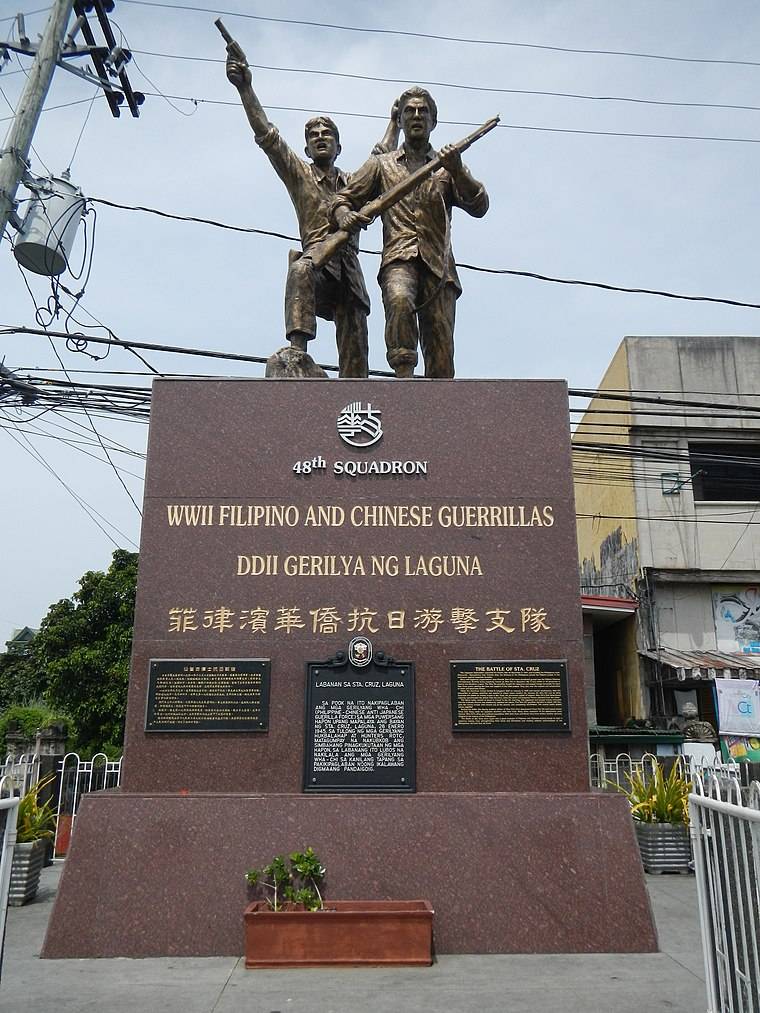
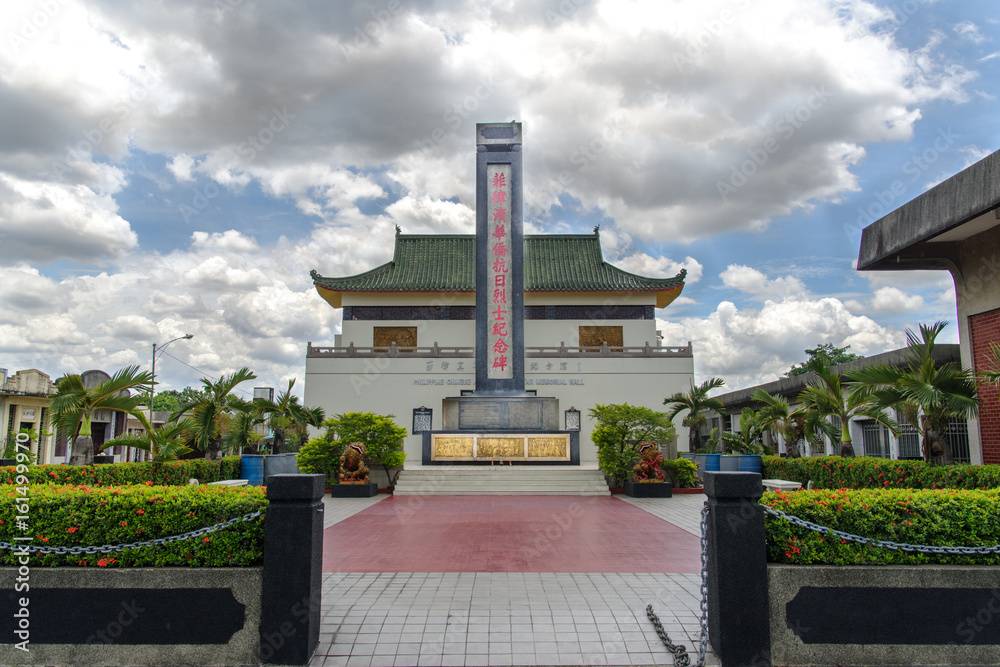
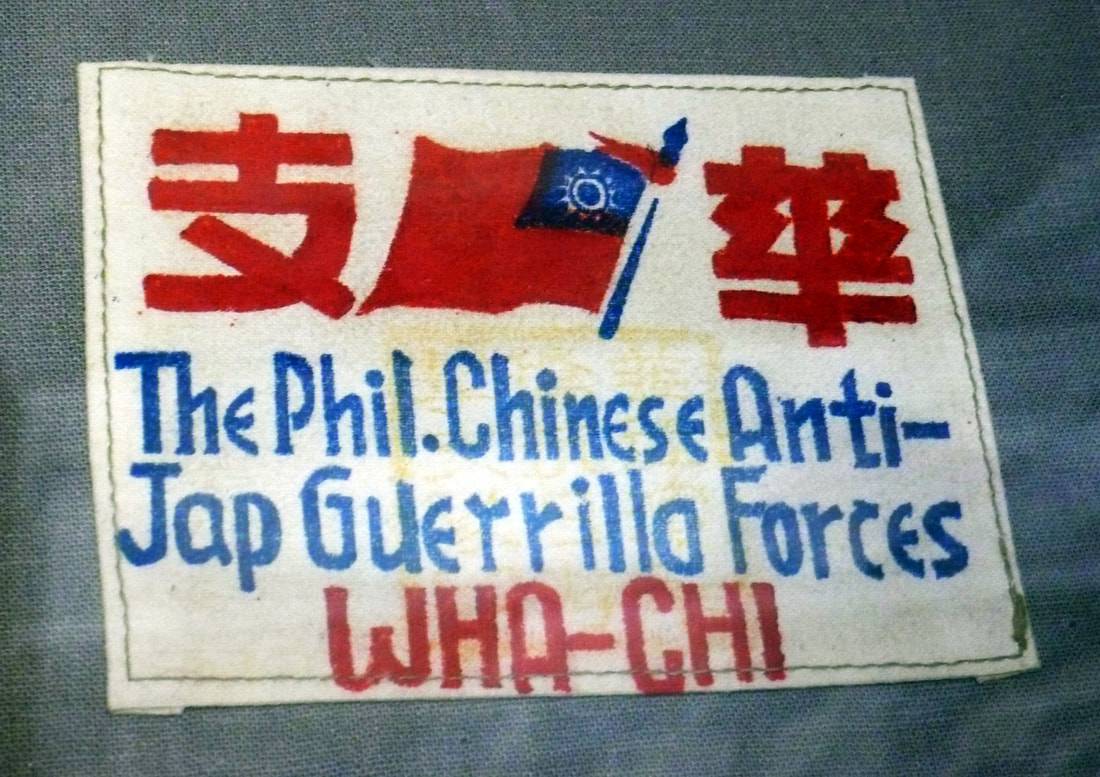
3. Chinese resistance fighters and allies in World War II – Although most of the ethnic Chinese minority members were not legally allowed to gain Filipino citizenship for generations, especially under USA’s racist “Chinese Exclusion Act” which was applied to its Philippine colony for half a century, the community had various Chinese guerrilla groups and activists who had valiantly fought alongside Filipino guerrillas in the war of resistance against Japanese military invaders during World War II.

There were local Filipino Chinese guerrillas who were allied with the China’s Kuomintang government of then Generalissimo Chiang Kai Shek, while there were also socialist Filipino Chinese guerrillas allied with China’s revolutionary leader Mao Zedong who had fought alongside socialist Filipino guerrillas like the Huk rebels of Central Luzon region.
Both the Philippines and China were both confronted with a common adversary in then fascist and militarist Japan, both were victims of military invasions. Both countries were once again allies during World War II. Many leaders and activists of the Filipino Chinese community were jailed and executed, including top tycoons who shared a jail cell with young lawyer and future nationalist Senate President Jovito Salonga in Fort Santiago.
One of the biggest resistance coalitions was the Philippine Chinese Resist the Enemy Foundation or called “khong-tiak hue” for short in the Hokkien or south Fujian language. This was spearheaded by the young activist “Lumber King,” pre-war Philippine Chinese Chamber of Commerce president and Chinabank president Dee C. Chuan (whose granduncle was 19th century philanthropist and lumber industry pioneer Dy Han Kia). Dee’s second cousin Dy Hok Siu was the youngest of the 10 Filipino Chinese activists-martyrs executed by the Japanese military at the start of their invasion of Manila, he was only 34. Another second cousin of Dee who died fighting the Japanese invaders was Dy Hok Khe.
Among the foremost World War II heroes of the Philippines was also the courageous, West Point educated Filipino warrior of Chinese heritage, General Vicente Lim.
Let us forever remember and honor all these valiant, noble warriors and activists.