






MidEast war: Another test of resilience for corporate Philippines

As the war in the Middle East ripples across global markets, boardrooms in corporate Philippines are confronting a familiar question in the direst of times: press forward, or pull back.
For some, the answer lies in discipline, for others, in recalibration and for a few, in quiet defiance.
Across industries—from property to infrastructure, from utilities to capital markets—executives are weighing risks that remain difficult to measure. Oil prices are rising; supply chains are tightening and forecasts are turning fluid.
Yet amid the uncertainty, a pattern emerges: companies are not retreating, but mostly adjusting.

Holding the line
At Filinvest Development Corp. (FDC), president and CEO Rhoda Huang frames the moment not as a setback, but as a test.
“We do not see year three of our journey as a point of reset,” she says. “We see it as a test of resilience.”
The group is holding on to its ambition of delivering at least 20 percent growth, even as macroeconomic conditions turn more challenging. For Huang, dialing down targets risks becoming a self-fulfilling prophecy.
“Why not aim for something better?” she quips.
Instead of retreating, FDC is narrowing its focus—prioritizing core businesses, reviewing costs and channeling capital into projects that can still “move the needle.”
Inventory-heavy segments like real estate are under closer scrutiny, while austerity measures and energy conservation are being reinforced across operations.
At the same time, the group is preparing its workforce for disruption. Investments in artificial intelligence tools and productivity systems are being accelerated, alongside contingency plans that include remote work setups reminiscent of the pandemic years.
“There’s no point surrendering today,” Huang says. “It’s only three months into the year.”
Reworking the playbook
Elsewhere, the tone is more cautious.
At Metro Pacific Investments Corp. (MPIC), chair Manuel Pangilinan acknowledges that the full impact of the crisis has yet to be felt. Profit growth remains intact for now, but the outlook is clouded by volatility in energy prices and the unpredictability of the duration of this conflict.
“It’s hard to forecast,” he says.
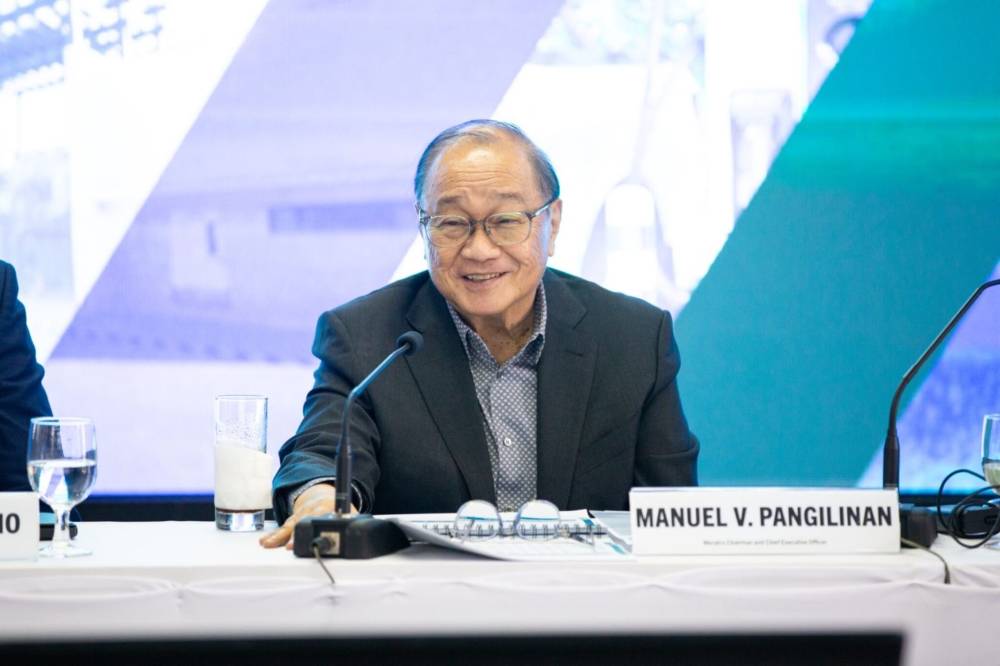
The group has begun reassessing its budgets, asking subsidiaries to revisit assumptions and consider how shifting conditions could affect growth trajectories. Rising petroleum and power costs, he notes, could weigh on margins if sustained.
Yet even as MPIC recalibrates, it is not stepping back from investment.
“We should push more for the sake of this country,” Pangilinan says, underscoring a continued commitment to capital deployment despite the uncertainty.
Still, some plans may hinge on how events unfold. The timing of a potential listing for fintech arm Maya, for instance, remains uncertain.
Cushioning the impact
For infrastructure builder Aboitiz InfraCapital, the focus is mitigating immediate disruptions while maintaining service continuity.
Following the government’s declaration of a national energy emergency, the company rolled out measures aimed at easing the burden on employees and stakeholders. Hybrid work arrangements have been adjusted, virtual transactions expanded and support systems put in place for overseas Filipino workers returning from affected regions.
At its airports, energy efficiency initiatives have been intensified—from solar power utilization to operational adjustments that reduce fuel consumption.
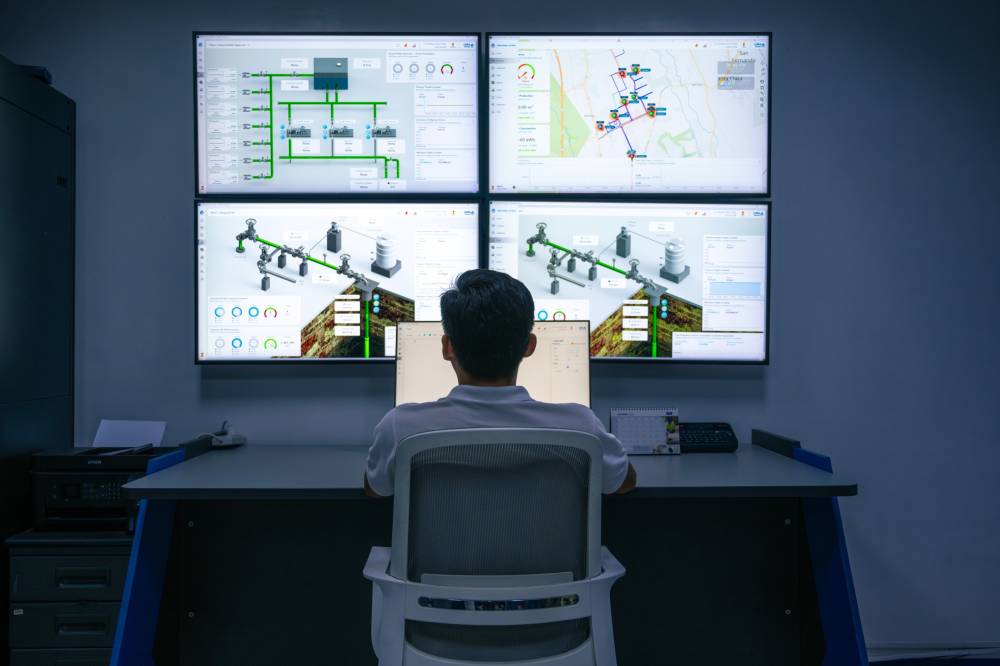
Water units have adopted digital processes to limit travel, while systems that optimize energy use in real time are being deployed.
The approach, while less visible in financial metrics, reflects a broader effort to absorb shocks at the ground level—ensuring that operations remain stable even as external pressures mount.
Navigating cost pressures
For DMCI Holdings Inc., the challenge is more immediate.
Rising fuel prices and tightening supply are forcing the conglomerate to revisit cost assumptions and project timelines. While its P24.6-billion capital expenditure program for the year remains intact, execution is becoming more complex.
“It’s not just a matter of price,” says CFO Herbert Consunji. “It’s a matter of availability.”

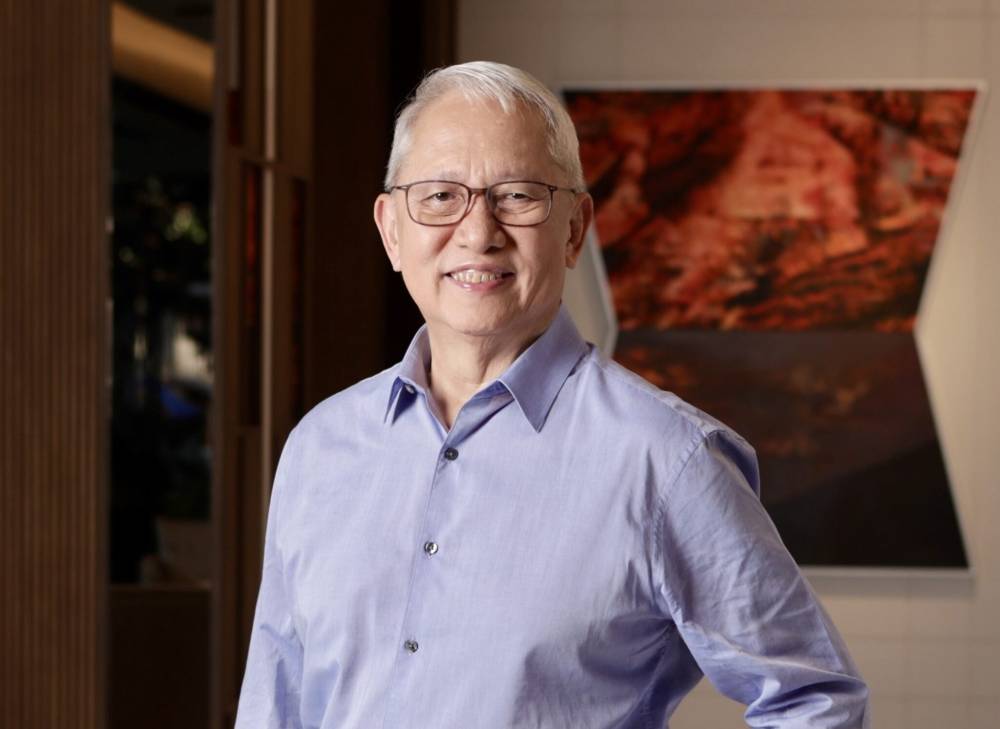
Within the group, ongoing projects will proceed as planned, particularly those already committed. But new launches may be delayed, as management weighs the risks of moving forward in an environment where inputs are both more expensive and harder to secure.
The strategy, in essence, is selective continuity—pressing on where commitments have been made, while keeping flexibility for what lies ahead.
Staying the course
In the capital markets, the mood is steadier.
Philippine Stock Exchange president and CEO Ramon Monzon is holding firm on a P170-billion capital-raising target for the year, even as global risks weigh on sentiment.
“We’re still okay,” he says.
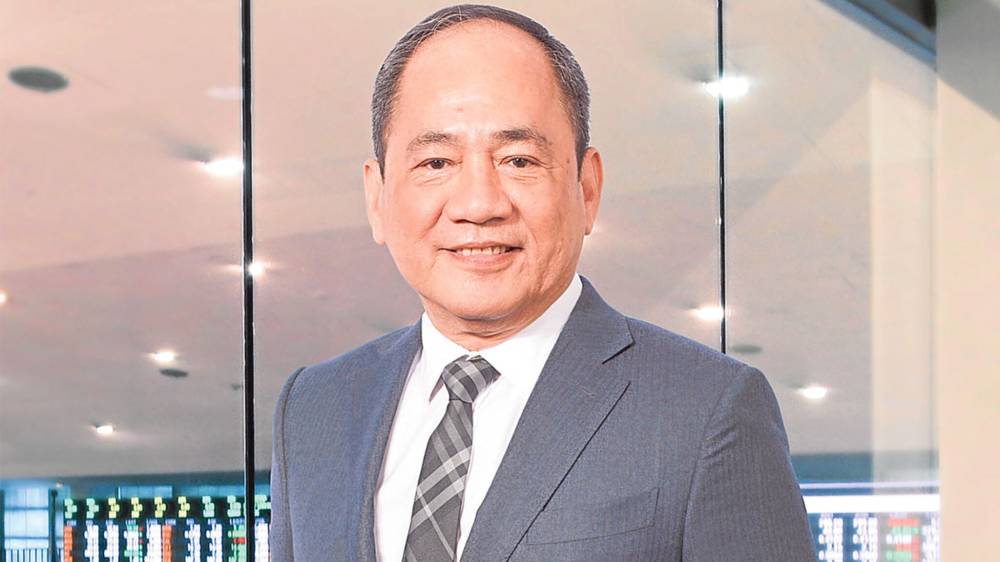
While acknowledging that large-scale initial public offerings may face delays, Monzon remains confident that a diversified pipeline will sustain fundraising activity. Timing, he notes, will be key—but the broader outlook remains intact.
A test of character
Across these responses, a quiet divergence is taking shape.
Some companies are tightening belts, reviewing budgets and preparing for slower growth. Others are pushing forward, anchored on long-term plans that extend beyond the current turbulence. Many are doing both—adjusting tactically while holding on to strategic ambitions.
What unites them is not a single strategy, but a shared recognition: that uncertainty is no longer an exception, but a constant.
In this moment, corporate Philippines finds itself navigating not just a crisis, but a test of character—one that demands resilience without complacency, caution without paralysis and ambition tempered by reality.
And as the winds shift beyond its shores, the country’s largest companies are learning, once again, to sail through them.
******
Get real-time news updates: inqnews.net/inqviber