









New era for dairy: PH to raise new milking cows

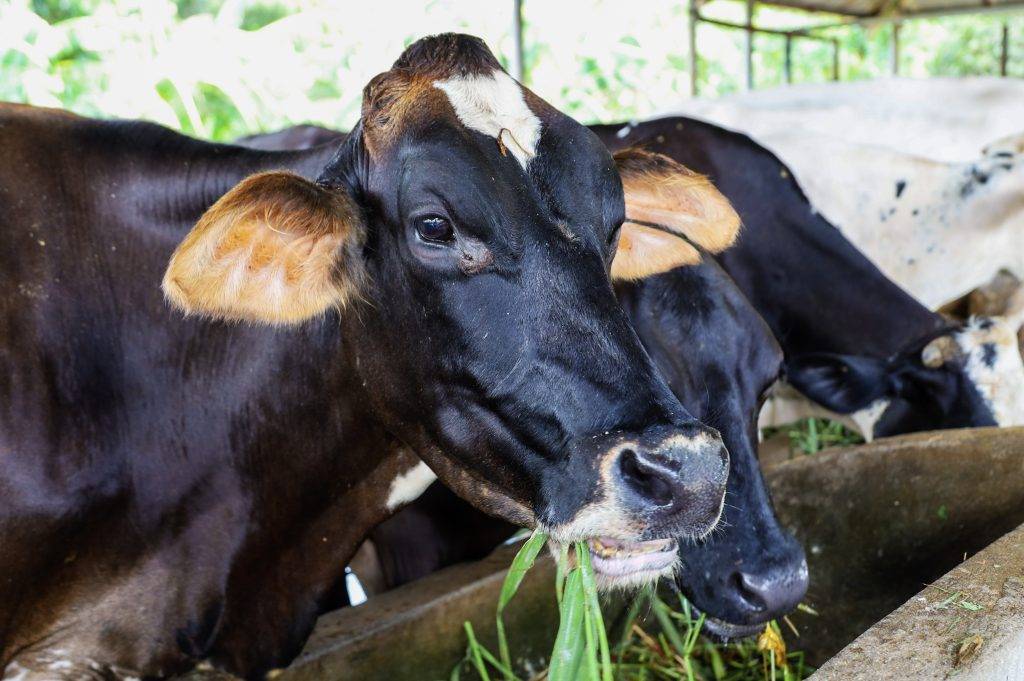
After years of relying on imports to meet domestic demand, the National Dairy Authority (NDA) is ushering in a new era for the Philippine dairy sector.
The recently enacted Republic Act No. 12308, or the Animal Industry Development and Competitiveness Act, is seen to boost the livestock sector for sustainable long-term growth.
Signed in September last year, the law strengthens the institutional framework for livestock and dairy development by promoting competitiveness and streamlining animal health and breeding programs.
The passage of this law enhances its regulatory functions to oversee and develop the dairy industry, according to the NDA.
“Strengthening the role of the NDA allows us to better oversee locally produced milk, from the farm to the consumer,” NDA Administrator Marcus Antonius Andaya says in a statement.

The law created the Animal Competitiveness Enhancement Fund (AnCEF) with an annual budget of P20 billion, funded by tariff collections from livestock, poultry and dairy.
About 26 percent of AnCEF will go to repopulation and herd buildup. Of this, 70 percent will be earmarked for the hog sector, 20 percent for poultry and 5 percent each for native and other animals.
Any excess tariff revenue will provide direct financial support to farmers, including recovery and compensation programs, as well as support those affected by biosafety threats.
Regulatory tightening
The law earmarked P1.2 billion for animal health promotion, P1.8 billion for recovery from biosecurity threats and P7 billion for the modernization of postharvest facilities, including slaughterhouses and cold storage facilities.
Under RA No. 12308, the NDA retained its authority over imported dairy products and activities with nonlocal scope, except where functions are expressly transferred or harmonized under the law.
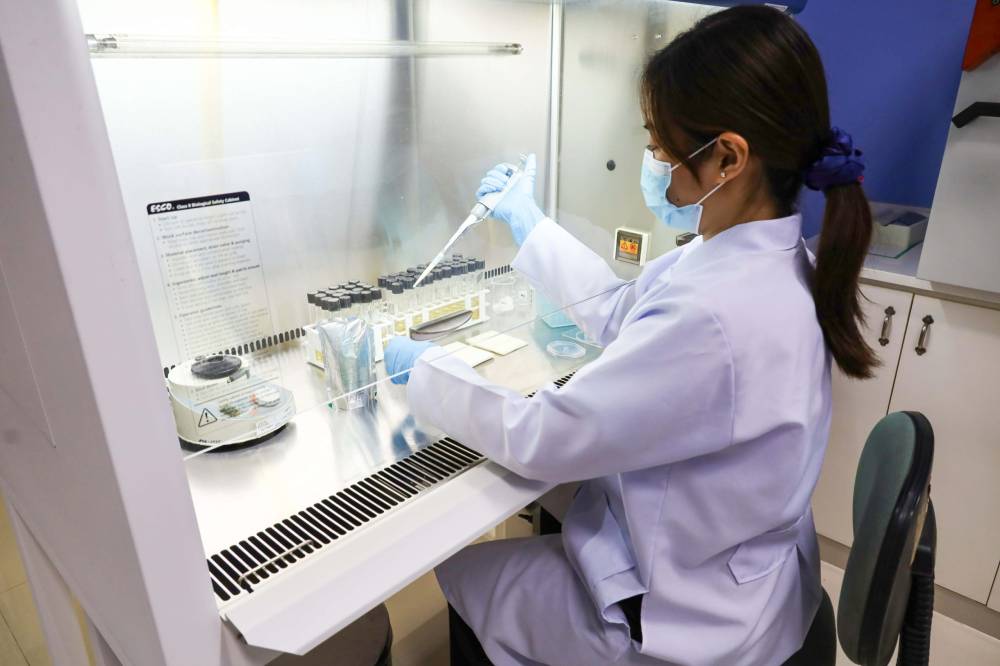
These include the issuance of certificates of product registration for locally produced dairy products and a license to operate for dairy processing plants. The NDA is currently handling the licensing and registration activities under a transition arrangement, as supervised by the Bureau of Animal Industry.
Aside from coordinating and facilitating the absorption of local milk supply by the commercial sector, the NDA is mandated to establish and maintain facilities to boost compliance with regulations, alongside developmental and extension activities.
Raising domestic output
The NDA is counting on the new law to support the dairy sector’s development in the coming years.
The agency is optimistic about achieving higher milk production this year, with four stock farms slated for completion.
“With the operation of our stock farms and the planned importation of 870 dairy cattle this year, we are confident that these initiatives will further contribute to increased milk production,” Andaya says.
The NDA has five stock farms in the pipeline, with the first one in General Tinio, Nueva Ecija, now up and running.
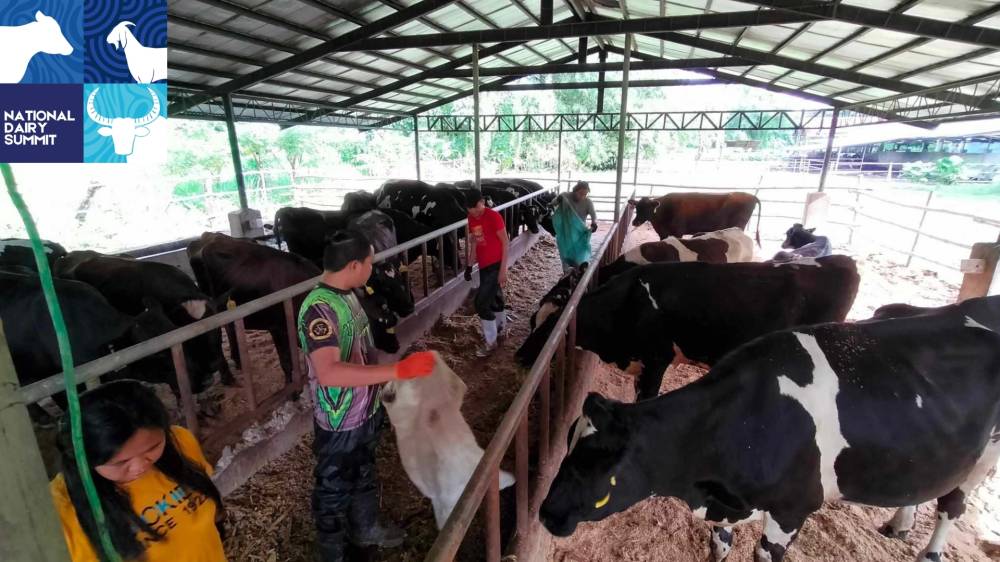
Capable of housing about 150 dairy cattle, the stock farm is equipped with modern misters, cow brushes and a 15-hectare forage area, all of which are vital for animal comfort and high-quality milk yields.
The General Tinio stock farm will serve as the national model for expanding the dairy herd, boosting milk production and improving the livelihood of dairy farmers.
Animals at the stock farm will be distributed to dairy multiplier farms and smallholder farmers once they have adjusted to local climate and farm conditions.

The NDA says four other stock farms—located in Ubay, Bohol; Malaybalay, Bukidnon; Carmen, Cotabato and Prosperidad, Agusan del Sur—will be operational this year.
The country’s dairy output totaled 43.3 million liters in 2025, a 12.2 percent increase from 38.6 million liters a year ago, data from the NDA show. This reflects a production growth for three consecutive years.
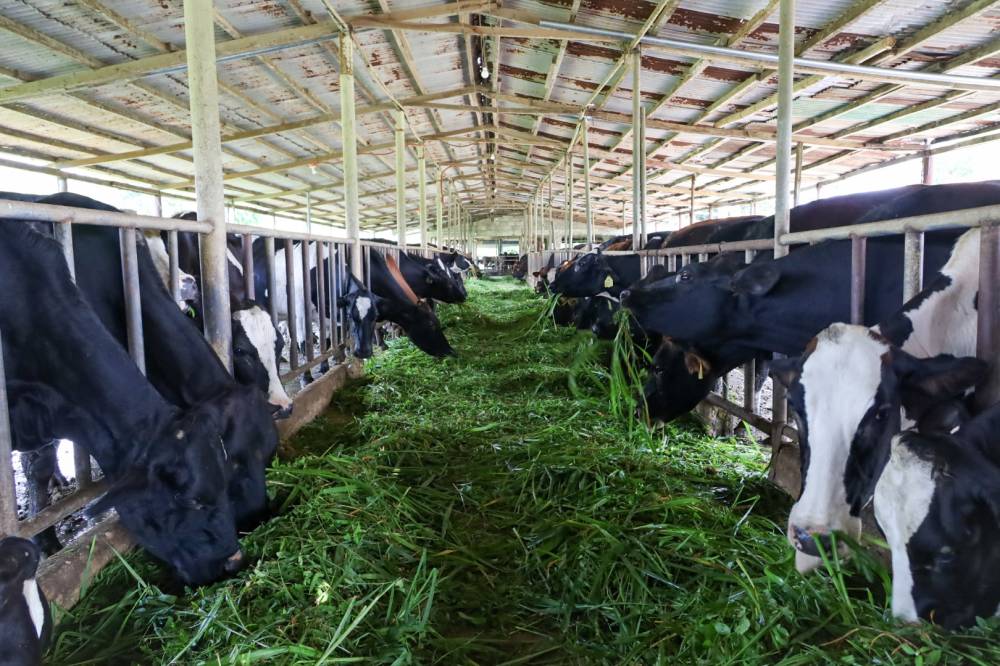
The value of dairy production rose by 27.7 percent to P1.67 billion from P1.31 billion.
“These gains were achieved without dairy animal importation for the past three years, highlighting improvements in productivity and herd performance at the farm level,” Andaya says.
This brings the country’s milk sufficiency level to 2.22 percent last year, halfway through the 5-percent milk sufficiency goal of the NDA for 2028.
Admittedly, the Philippines is still highly dependent on imports to meet its dairy requirements. Nonetheless, homegrown dairy production is on the rise.
Carabao milk production expanded by 24 percent last year, while cattle and goat milk output grew by 4 percent and 27 percent, respectively.
Meanwhile, the overall dairy animal inventory stood at 161,868 head, up 5 percent.
“The substantial growth in milk production reflects the effectiveness of our dairy development programs, particularly in animal nutrition, herd expansion and farm management,” Andaya adds.