




Nomura sees 60% chance of BSP rate hikes

There is a 60-percent chance that the Bangko Sentral ng Pilipinas (BSP) will raise interest rates this year as surging oil prices tied to the conflict in the Middle East fuel inflation, Nomura said, warning that the Philippines could face one of the region’s sharpest stagflationary shocks.
In a note to clients, the Japanese investment bank said the central bank could lift its key rate by a total of 0.5 percentage point this year, with the first quarter-point increase likely as soon as the Monetary Board’s April 23 meeting.
The second tightening action could follow in the third quarter, bringing the key rate to 4.75 percent.
With growth expected to remain subdued, Nomura said the central bank may begin unwinding those increases in 2027, when inflation is projected to return to target. The bank expects a new easing cycle to start next year, with rate cuts totaling about 75 basis points.
“Because of the still subdued growth outlook, these are measured hikes that we think BSP will likely reverse in 2027,” the bank said.
Overall, Nomura expects the country to endure Asia’s “most pronounced” bout of stagflation—the difficult mix of high inflation and weak growth.
It trimmed its 2026 growth forecast for the Philippines to 5 percent, from a prewar estimate of 5.3 percent.
At the same time, the bank raised its inflation forecast to an average of 4.9 percent this year, up sharply from 2.5 percent previously.
If realized, that would exceed the central bank’s 2-percent to 4-percent target range.
Nomura said limited fiscal space—worsened by sluggish public spending amid the fallout from a major corruption scandal—has constrained the government’s ability to cushion households from rising fuel costs. Higher energy prices are spilling more quickly into other goods, creating broader inflation pressures than in many of the country’s Asian peers.
Energy emergency
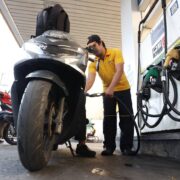
Already, domestic inflation accelerated to a near two-year high of 4.1 percent in March, slightly breaching the central bank’s target range. The government declared a national energy emergency—the first country to take such a step—as prices at the pump soared.
Last week, Governor Eli Remolona Jr. said the Monetary Board chose to “err on the side of caution” when it kept the benchmark rate at 4.25 percent during a surprise meeting on March 26. He said raising rates at that time would have done little to curb supply-side inflation stemming from the war in the Middle East, while potentially adding strain to an economy still in the early stages of recovery from the fallout of a major corruption scandal.
Remolona added that policymakers expect to have a clearer view of conditions ahead of the Monetary Board’s scheduled meeting later this month.
For Nomura, the BSP would likely prioritize inflation over growth. “It remains orthodox in its inflation-targeting framework and continues to emphasize price stability is its mandate,” the bank said.