






Not just oil: PH seen to grapple with fertilizer, El Niño woes too

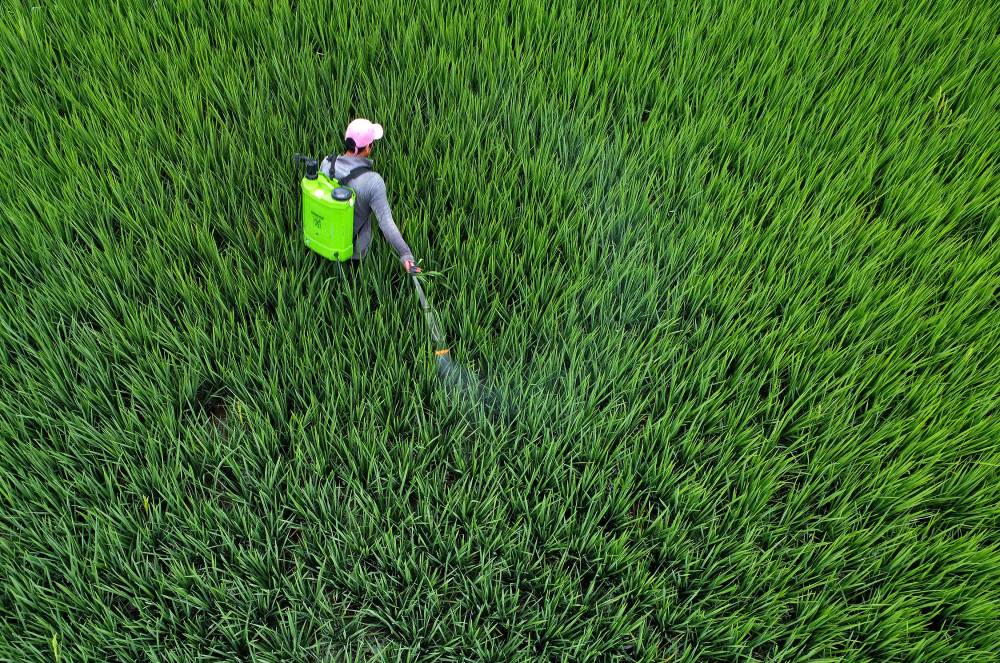
The Philippines is emerging as Southeast Asia’s most vulnerable country to fertilizer supply disruptions, as escalating conflicts in the Middle East threaten timely shipments of critical agricultural inputs.
In a note to clients, BMI Research, a unit of the Fitch Group, said delays in delivery of imported fertilizer could extend beyond the key application windows for corn and rice plantings, posing significant risks to the country’s 2026 to 2027 crop season.
Compounding the fertilizer disruption is the expected onset of El Niño dry spell, which could further strain grain output across the region.
“As of March 2026, the Climate Prediction Center assigns a greater than 60-percent probability of El Niño conditions emerging from June, with a 48-percent chance of at least moderate intensity by August, increasing weather-related risks during the crop development period, BMI noted.
Vital passageway
The Strait of Hormuz, which Iran has virtually shut after being attacked by the US and Israel four weeks ago, is not only a vital passageway for oil but also for fertilizers, with a third of the world’s supply going through the route.
“We believe that the Philippines is more fundamentally exposed to an extended disruption to nitrogenous fertilizer supplies given its high reliance on imports,” BMI said.
“On March 13, the government indicated that fertilizer delivery timelines remain uncertain, despite having purchased more than 80 percent of requirements through September,” it added.
BMI noted that the majority of corn and rice plantings occur from March to May, heightening the risks if shipments are delayed.
The Philippines imports most of its agricultural fertilizers, with domestic production accounting for only 5 percent to 10 percent of total supply.
According to the Department of Agriculture (DA), the war has affected about 108,000 metric tons and 33,000 metric tons of fertilizer supplies in Qatar and Saudi Arabia, respectively.
Key sources
The country sources its nitrogen-based fertilizers from various countries: 18 percent from Brunei, 18 percent from China, 24 percent from Indonesia, 4 percent from Saudi Arabia, 15 percent from Malaysia, 15 percent from Qatar and 6 percent from Vietnam.

The DA is now reportedly negotiating with China to secure alternative supply.
The escalating crisis has also prompted the Philippines to declare a state of national energy emergency, the first country in the world to do so. This will be in place for one year, unless extended or lifted by the president.
Under the declaration, the DA is tasked with monitoring the supply of agricultural inputs and food products and ensuring their availability at the lowest possible cost.
Zooming out, Southeast Asia as a whole faces growing exposure to fertilizer supply constraints.
“That said, we expect impacts to be uneven across markets, reflecting differing production structures, policy responses and exposure to imports,” BMI said.