







Oil shock likely shut door on BSP cuts

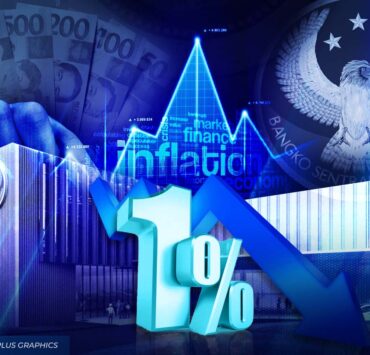
The door to further interest rate cuts by the Bangko Sentral ng Pilipinas (BSP) appears to have closed, as the war in the Middle East pushes global oil prices higher and threatens to stoke domestic inflation—a shift that could even force the central bank into a U-turn and raise borrowing costs.
“With the prospects of oil prices rising and the resultant likely acceleration of inflation, the door shut firmly on the BSP’s easing cycle,” Nicholas Mapa, chief economist at Metrobank, said in a commentary.
The violence, now in its second week, escalated after the United States and Israel struck Iran. Tehran retaliated by targeting Israel and several neighboring countries hosting American forces, including the United Arab Emirates, Qatar, Kuwait, Bahrain, Iraq, Jordan and Saudi Arabia.
The conflict has also disrupted traffic through the Strait of Hormuz, a narrow but critical shipping lane that carries a significant share of the world’s oil exports. The disruption has heightened fears of supply shocks that could ripple through energy-importing economies such as the Philippines.
Even before the latest turmoil, inflation in the Philippines had already climbed to a 13-month high of 2.4 percent in February, though it remained within the BSP’s target range of 2 to 4 percent.
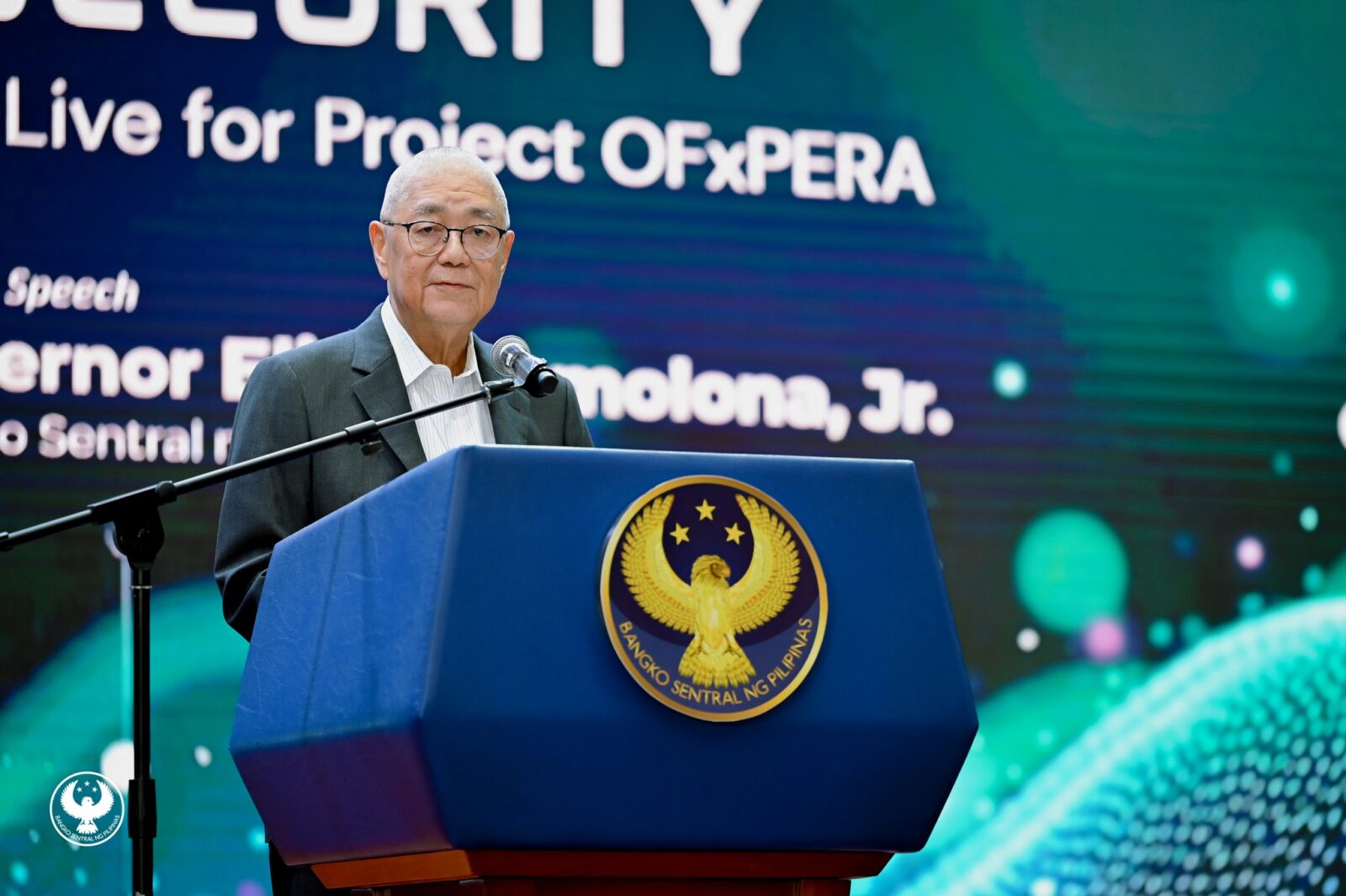
Mapa said BSP Governor Eli Remolona Jr. now finds himself caught between rising inflation and slowing economic growth.
“Although he (Remolona) previously indicated he would want to support growth, BSP will definitely shift its focus back on securing price stability,” Mapa said.
Remolona has warned that the central bank could reverse course and raise interest rates if global oil prices reach $100 a barrel and the US dollar continues its rally. Both developments, he said, could push inflation beyond the central bank’s target range.

That scenario may already be unfolding.
The price of Brent crude oil, the international benchmark, spiked near $120 per barrel before slightly paring those gains on Monday. At home, diesel prices are expected to surge by as much as P24.25 per liter this week, though some oil companies have agreed to stagger the increases.
The BSP has already lowered its key policy rate to an over three-year low of 4.25 percent to support a sluggish economy reeling from a high-profile corruption scandal. That said, any anti-inflation rate hikes, if needed, would effectively bring the central bank’s pro-growth campaign to an end.