




Personal finance lessons from Deuteronomy

The book of Deuteronomy may not be the first book we think of when we talk about personal finance. Many would probably go to Proverbs for wisdom, or to the parables of Jesus for stewardship. But the more I read Deuteronomy, the more I realize how deeply practical it is for how we handle money, work, provision and prosperity.
Deuteronomy is Moses’ message to Israel before they enter the Promised Land. They had spent years in the wilderness experiencing hunger, lack, uncertainty and dependence. Now they were about to enter a land of abundance.
The danger was not only that they might forget God in hardship. The greater danger was that they might forget God in prosperity.
That already speaks to us today.
Many of us pray hard when money is tight. We seek God when business is slow, bills are piling up, tuition is due, or the budget is stretched.
But when income improves, business grows, investments perform well, or promotion comes, we can easily become careless. We may not say it out loud, but our hearts can begin to believe, “My power and the might of my hand have gotten me this wealth” (Deuteronomy 8:17, ESV).
That is why one of the first financial lessons from Deuteronomy is this: never forget the true Source.
Deuteronomy 8:18 says, “You shall remember the LORD your God, for it is he who gives you power to get wealth.” This verse does not say wealth is evil. It says wealth has a Source. God gives the ability, strength, opportunity, wisdom, health, relationships and favor that allow us to earn and build.
Yes, we work hard. Yes, we make decisions. Yes, we study, save, invest and take risks. But all of these are still gifts entrusted to us.
Money is a resource, not a source. God is the Source.
That truth protects us from pride when we succeed, and from despair when we struggle. If God is our Source, lack does not mean He has abandoned us, and abundance does not mean we no longer need Him.
Another lesson from Deuteronomy is that seasons of lack can form deeper trust. In Deuteronomy 8:3, Moses reminds Israel that God humbled them, allowed them to experience hunger, and fed them with manna so they would learn that “man does not live by bread alone, but man lives by every word that comes from the mouth of the LORD.”
This is a powerful personal finance lesson. Sometimes God allows us to go through seasons when things do not seem enough.
The salary is not enough. The savings are not enough. The opportunities are not enough. The business pipeline is not enough. But those seasons can reveal what we truly trust.
Of course, we should budget, work hard, increase cash flow, reduce debt, build emergency funds and make wise financial decisions. Faith is not an excuse for irresponsibility.
But Deuteronomy reminds us that financial discipline must be anchored in dependence on God.
We do not live by cash flow alone. We do not live by investment returns alone. We do not live by economic forecasts alone. We live by every word that comes from the mouth of the Lord.
A third lesson is that obedience and provision are connected. In Deuteronomy, God repeatedly calls Israel to walk in His ways, keep His commandments, and live as His covenant people. Their economic life was not separate from their spiritual life.

This is important because many people separate faith from finance. They think Sunday is for worship and Monday to Saturday is for earning, spending, borrowing, investing and building.
But in Scripture, there is no such divide. Our money is part of our discipleship.
How we earn matters. How we spend matters. How we save matters. How we give matters. How we treat employees, clients, suppliers and family members matters.
Biblical stewardship is not just about having enough money. It is about becoming the kind of person who honors God with whatever has been entrusted.
Deuteronomy also teaches generosity. Israel was commanded to care for the poor, the sojourner, the fatherless and the widow. They were not allowed to build wealth while ignoring the vulnerable.
This is a strong reminder for us, especially in a country where many are still struggling.
Financial freedom is not merely the ability to buy what we want. True financial freedom includes the ability to obey God, provide for our families, live with contentment, and be generous to others. When God blesses us, it is never just for personal comfort. Blessing carries responsibility.
The greatest financial lesson from Deuteronomy is this: When God is your Source, money becomes a tool, not a master. When God is your King, provision becomes stewardship, not entitlement. And when God forms your heart, even seasons of lack can become places where faith grows deeper.
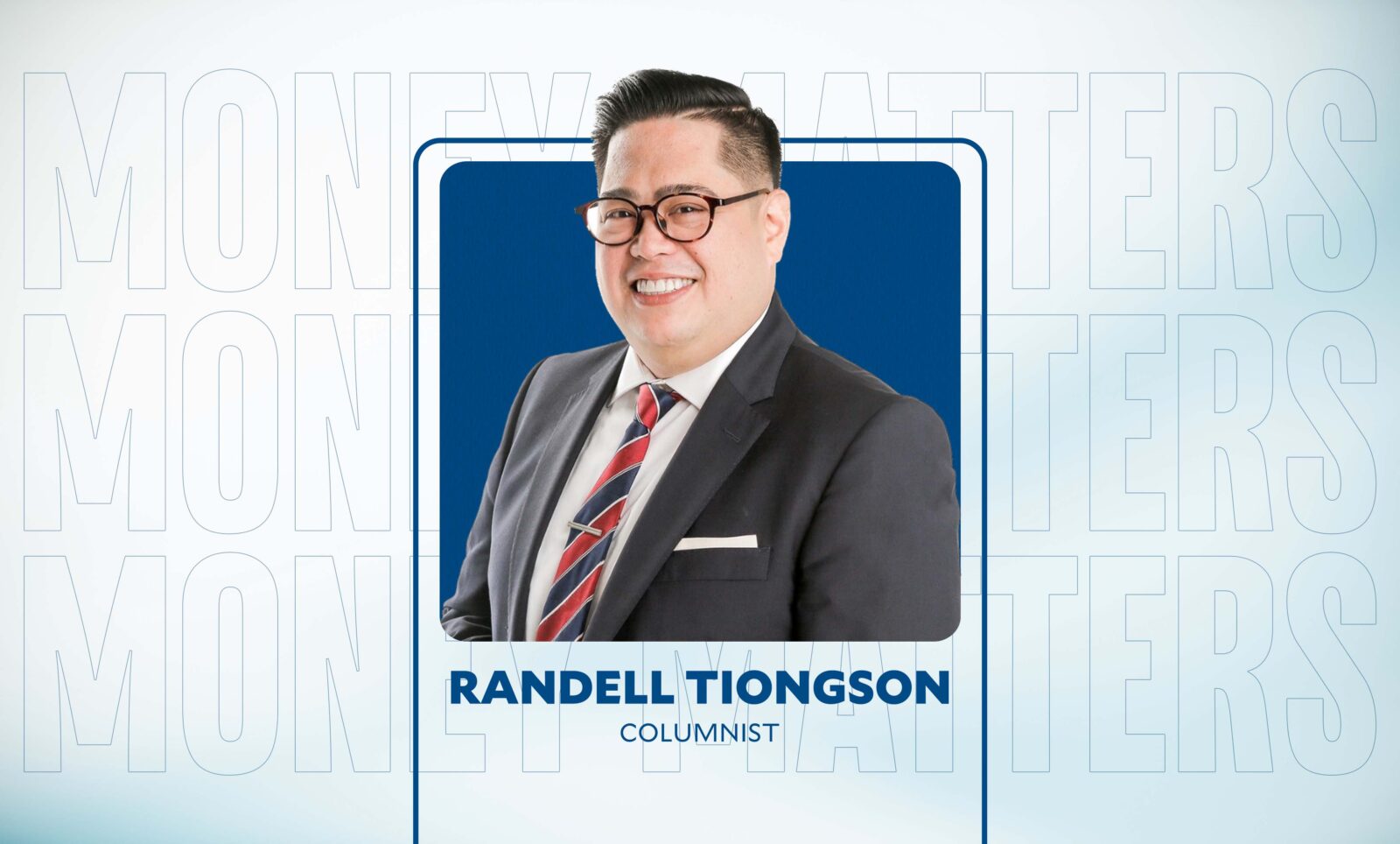
Randell Tiongson is a registered financial planner of RFP Philippines. To learn more about personal financial planning, attend the 116th RFP program this June. Email [email protected] or visit rfp.ph to learn more about the program.