









Peso extends losing streak, hits new low

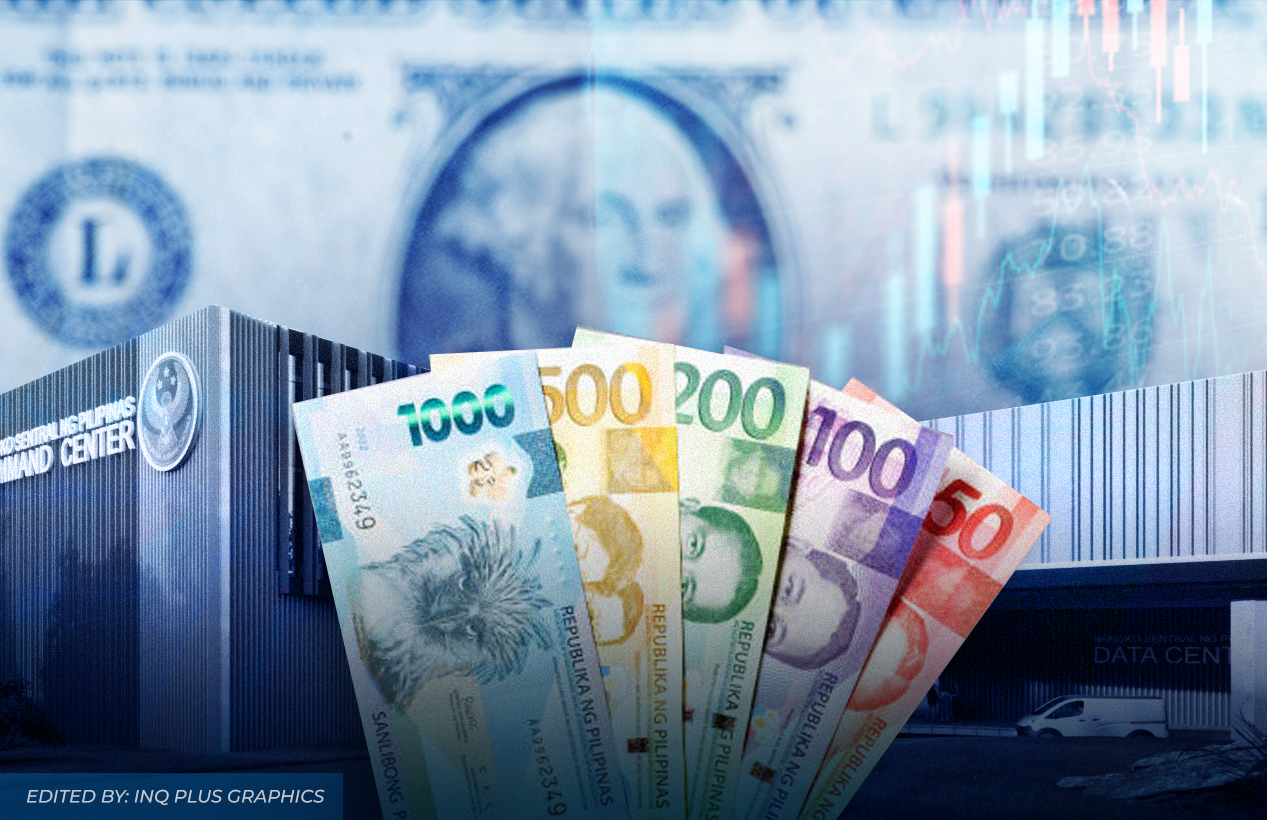
The Philippine peso sank to a fresh record low on Tuesday, extending its losing streak as investors fled to the US dollar for safety amid market turbulence fueled by the prolonged war in the Middle East.
The local currency fell 5.8 centavos to close at 60.748 per dollar, surpassing Monday’s previous record of 60.69. The intraday low touched 60.75.
Trading volume slipped to $1.6 billion from $2 billion in the prior session, signaling thinner market activity.
Analysts pointed to a perfect storm of rising energy costs and a flight to safe-haven assets. Because the Philippines is a net importer of oil, surging crude prices typically strain its trade balance, requiring more dollars to pay for essential fuel.
“60.75 is oil plus dollar strength. Higher crude widens the trade gap; risk-off lifts the dollar,” a trader said. “Near term, expect 60 to 61 while shocks persist.”
The slide follows a weekend of deteriorating conditions in the Middle East that have stoked fears of a broader regional conflict.
Markets reacted sharply to reports that the United States is considering sending ground troops to Iran. The situation was further complicated by the entry of Yemen’s Houthi forces into the fray, effectively opening a new front in the conflict.
As it is, a weaker peso brings mixed effects.
Remittances from overseas Filipino workers stretch further in peso terms, supporting consumption, while exporters gain price competitiveness.

But the slide risks stoking imported inflation and raising the peso cost of servicing foreign-currency debt.
Bangko Sentral ng Pilipinas Governor Eli Remolona Jr. has said the move past the 60-per-dollar level has not yet prompted heavy intervention, noting that the depreciation “is not necessarily a bad thing.”
Still, Remolona said the central bank is closely monitoring undisclosed “thresholds” that help policymakers determine when the currency’s weakness becomes inflationary and warrants tighter policy or intervention in the spot foreign-exchange market.
“If oil stabilizes, the peso retraces—this looks like an overshoot, not a new trend,” a trader said.