








Peso may stay at 60:$1 amid MidEast turmoil

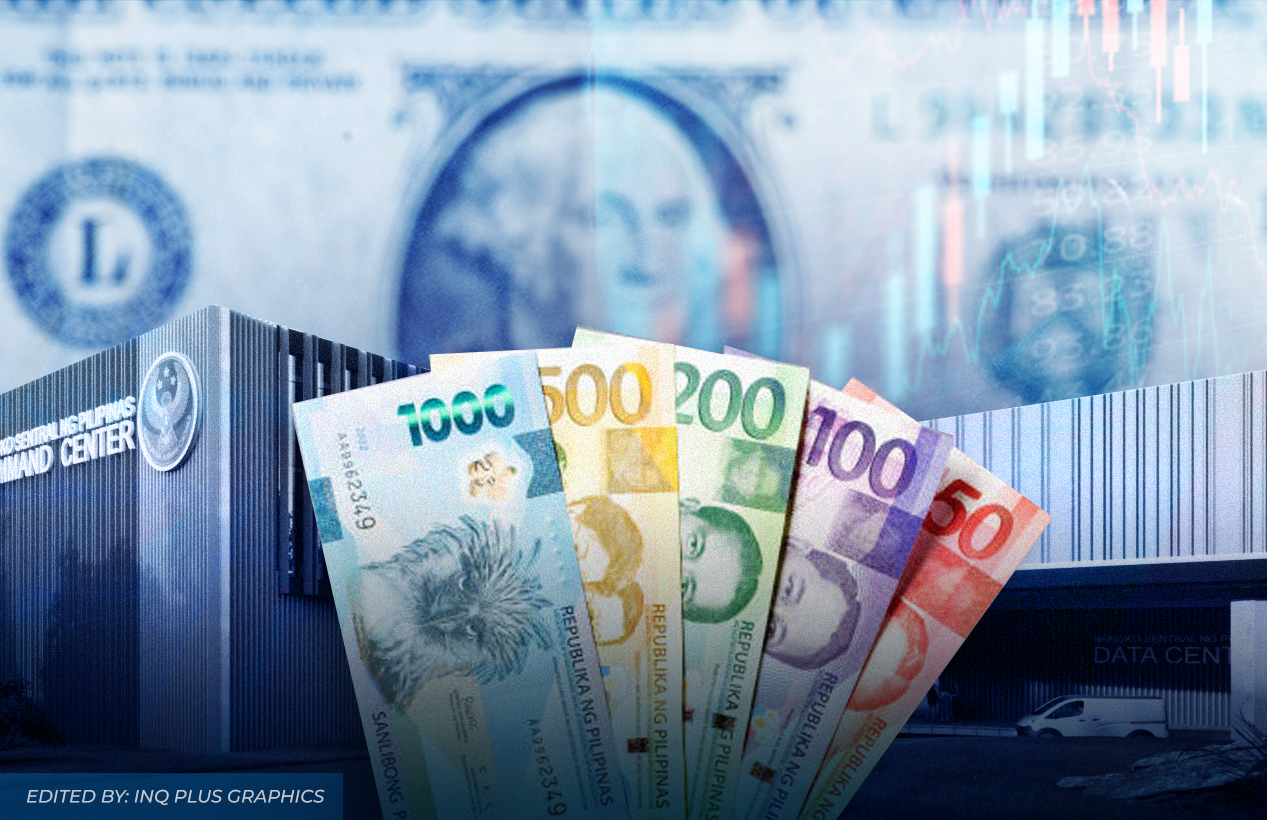
The Philippine peso may hover around 60 per dollar through 2027, as turmoil tied to the Middle East conflict fuels a flight to safety and strains energy-importing economies like the Philippines.
In a note, Gareth Leather, a senior Asia economist at Capital Economics in London, said countries reliant on imported oil—including the Philippines, Sri Lanka and Pakistan—face rising import bills that could widen external imbalances and pressure their currencies.
For those economies, the strain could deepen the fallout from the conflict. Capital Economics expects the peso to settle at 60 per dollar by end-2026 and remain at that level through 2027. “All are heavily dependent on imported energy from the Middle East and have limited fiscal space to cushion the shock,” Leather said.
The local currency ended the previous week at 60.1 per dollar, the first time in history that it crossed that key psychological level. That set a new all-time low, surpassing the prior record close of 59.87 reached on March 16.
The slide came as the dollar strengthened after the US Federal Reserve held rates steady, citing uncertainty tied to the conflict in the oil-rich Middle East. Fed chair Jerome Powell said policymakers would “wait and see” amid heightened inflation risks, a signal markets took to mean rate cuts may not come soon.
That outlook has bolstered the dollar’s appeal, with investors seeking haven assets as the conflict drags on. Leather said Capital Economics had scrapped earlier expectations for rate cuts in the Philippines and South Korea, and now sees policy staying on hold in both.
Bangko Sentral ng Pilipinas (BSP) Governor Eli Remolona Jr. has said the central bank could raise rates if oil prices remain above $100 for a prolonged period and the dollar continues to strengthen.

Last week, the BSP said it was watching the conflict’s effects on the country’s current account, including remittances and trade, as well as financial markets. It added that its intervention in the foreign-exchange market was “limited to tempering large swings that could affect inflation rather than defending any specific level.”
In a separate note, analysts at MUFG said the Thai baht (-4.7 percent), Philippine peso (-4 percent) and Korean won (-3.7 percent) had been hit hardest since the start of US-Iran war. “Beyond the immediate energy shock, risks are also building from second-round inflation effects via higher food costs,” MUFG said, noting that high food weights in consumer baskets—particularly in the Philippines, Thailand and Indonesia—could make things more complicated for their currencies.
“Until geopolitical risks fade, it is difficult to turn constructive on Asia FX. That said, any credible signs of de‑escalation in the Middle East, such as a reopening of Hormuz or a clearer path toward ending the conflict, would be a key catalyst for a more optimistic reassessment,” they added.