










Peso seen at risk of breaching 60:$1 next year

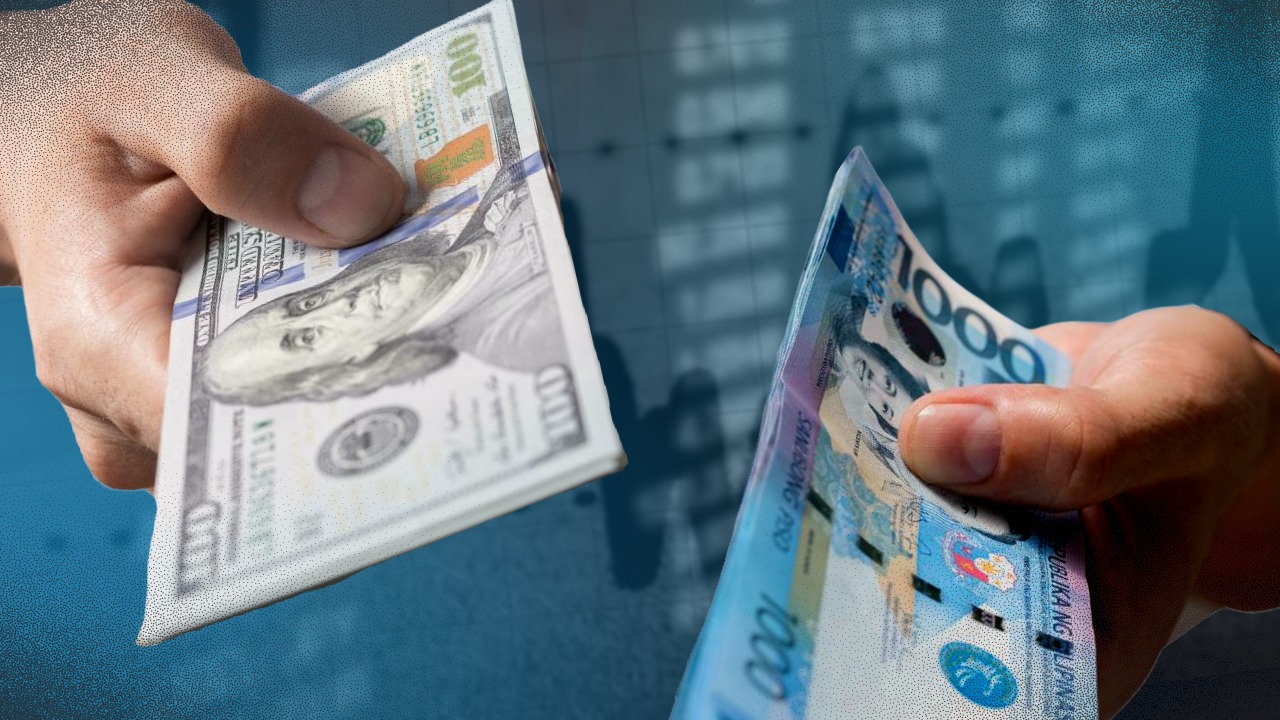
The Philippine peso remains at risk of slipping past 60 to the dollar in 2026 amid “worsening sentiment,” though a recovery is expected once the current bout of weakness passes.
In its “Asia Strategy Outlook 2026” report released on Thursday, Deutsche Bank said the peso could go through phases of depreciation and appreciation as the widening graft crackdown hit business confidence.
But a slowdown in government infrastructure spending as a result of the sweeping cleanup may offer some support later in the year by curbing dollar outflows tied to imports of construction materials, Deutsche Bank said.
Additional relief could come from sustained external financing for major infrastructure projects, many of them backed by official development assistance.
The Philippines’ potential inclusion in a key J.P. Morgan bond index is also seen to draw foreign capital and bolster the peso.
“We think [US dollar/Philippine peso] could first breach 60 on worsening sentiment, before settling closer to 57-58 as the current account deficit shrinks,” Deutsche Bank said.
The currency’s recent slide to record lows has unfolded against a backdrop of slowing growth and deepening political fallout.
After data showed the economy expanding by just 4 percent in the third quarter, its weakest pace in more than four years, President Marcos’s economic team conceded that official macroeconomic targets may need to be revised to reflect the strains created by the antigraft drive.
Flood control scandal
The scandal—which has implicated lawmakers, Cabinet members, government engineers and several private contractors—has been widely blamed for undermining business sentiment and complicating the central bank’s monetary easing campaign.
A weaker peso carries mixed consequences for the Philippines. It boosts the domestic value of remittances sent home by millions of overseas workers, supporting consumption in an economy that relies heavily on these cash transfers.
But it also risks driving up import costs and reigniting inflation. Prolonged depreciation, meanwhile, inflates the peso value of foreign debts held by the government and private firms.

The Bangko Sentral ng Pilipinas (BSP) has signaled it will allow market forces to determine the exchange rate, intervening only if a sustained downturn threatens to fuel imported inflation rather than to smooth out day-to-day volatility. For now, BSP Governor Eli Remolona Jr. has kept the door open to a rate cut this month.
Dovish bet
In a separate commentary, Deepali Bhargava, ING Bank regional head of research for Asia-Pacific, said ongoing graft investigations “could keep sentiment subdued over the coming quarters.”
The upside, she said, would be that inflation was unlikely to breach the central bank’s 2 to 4 percent target next year, giving policymakers room to continue prioritizing growth and extend their easing cycle.
Another challenge looms beyond politics. Gareth Leather, senior Asia economist at Capital Economics in London, warned that destructive typhoons—while sparing much of Southeast Asia’s industrial and commercial centers—posed risks to agriculture that could push food prices higher across the region, including the Philippines.
“The good news is that inflation is starting from a very low base—it is at or below target across most of the region,” he said. “We are therefore sticking with our view that central banks will maintain a dovish stance.”