









Peso touches new record low


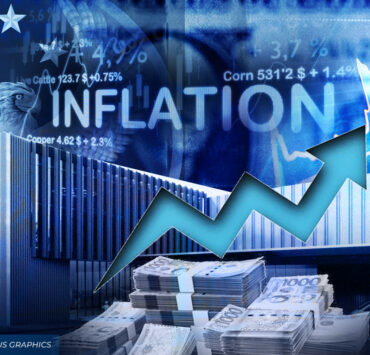
The Philippine peso slid to another record low on Thursday before paring some of its losses by the end of the session, as a stronger dollar gained ground after the US Federal Reserve held interest rates steady while warning of rising inflation risks tied to the Middle East conflict.
The local currency recovered 8.2 centavos to close a shortened trading week at 61.485 per dollar, with markets shut on Friday for the Labor Day holiday.
Earlier in the day, the peso hit an intraday low of 61.75—a new record low—before paring declines. Trading was brisk, with volume rising to $2.5 billion from $1.6 billion in the previous session.
While much of Asia slept, the Fed kept its benchmark rate in a 3.5 percent to 3.75 percent range in an 8-4 split decision. In the post-meeting statement, the committee noted that, “Inflation is elevated, in part reflecting the recent increase in global energy prices.”
The divided outcome lifted the greenback to a more than two-week high, while Brent crude climbed to its strongest level since March 2022, further bolstering the dollar’s appeal, according to Reuters.
“The renewed weakness in the peso has been driven by the strongly hawkish remarks by the Fed decision overnight,” one trader said. “In particular, three dissenting Fed officials wanted to remove the guidance on easing from the Fed’s statement, which hinted that some officials are starting to tilt towards a rate hike.”
“In the near term, the peso will remain weak but expecting intervention around the 62-figure level,” the trader added.
Another trader cited the Philippines’ swelling import bill and persistent dollar demand.
“The US dollar remains firm on higher-for-longer US rates, while oil risks are raising the country’s import bill and demand for dollars, on top of steady importer demand and some capital outflows,” the trader said. “From a trader’s lens, the market is pricing the path of rates and risk, not the level, so as long as US yields stay elevated and oil remains volatile, the peso stays under pressure.”

“Near term, the bias is still weak, with 62 within range unless those drivers turn,” the trader added.
As it is, a weaker peso brings mixed effects.
Remittances from overseas Filipino workers stretch further in peso terms, supporting consumption, while exporters gain price competitiveness. But the slide risks stoking imported inflation and raising the peso cost of servicing foreign-currency debt.
The depreciation came despite the decision of the Bangko Sentral ng Pilipinas last week to raise its key rate by a quarter point to 4.5 percent, the first tightening move in more than two years.