









PH bans pork imports from Spain

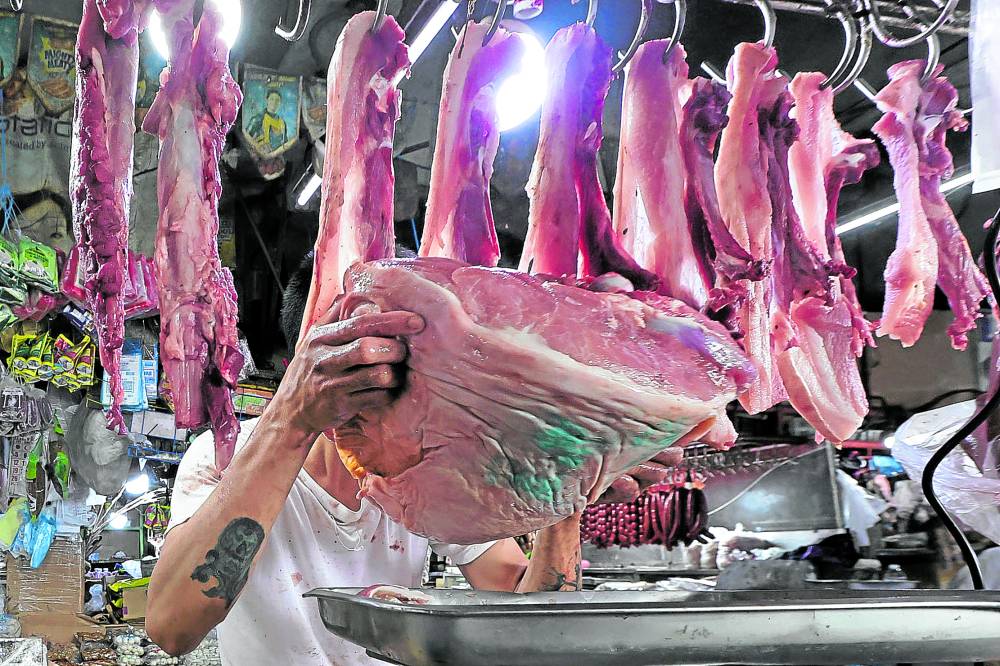
The Philippines has banned pork imports from Spain, the country’s second largest source of pork, due to the African swine fever (ASF) outbreak in this European state.
Agriculture Secretary Francisco Tiu Laurel Jr. said the Department of Agriculture on Wednesday issued an order temporarily suspending the entry of live hogs and pork products from Spain.
“We have identified that any products produced there from Nov. 11 onwards will not be allowed to enter until Spain is cleared of ASF,” Tiu Laurel said at a press briefing.
Tiu Laurel assured that the import restriction would not affect domestic pork supply. He noted that all cold storage facilities in the country were currently full of pork, while retail prices were relatively stable.
“I think this Christmas season, pork prices are reasonable. But of course, with demand, it (prices) might slightly increase,” the agriculture chief added.
Mixed reception
Stakeholders are divided over the DA’s decision to halt meat imports from Spain.
Jet Ambalada, Philippine Association of Meat Processors Inc. director, said the Philippines had other meat sources “that can take up the slack,” including the United States and the United Kingdom.
“Lastly, for this peak season, most of our import orders have arrived already, so supply is guaranteed,” Ambalada said in a Viber message.
However, Jesus Cham, Meat Importers and Traders Association president emeritus, said the import moratorium “will surely impact our supply.”
“It’s not good news. ASF has been around Europe for a while,” Cham said in a Viber message.
“Market is reacting now, and traders are scrambling to accumulate stock,” added Cham.
Ambalada and Cham said that entering into a regional agreement with top meat exporters would ensure ample meat supply.

“All this time we had requested DA to adopt the WOAH (World Organisation for Animal Health) guidelines on regionalization in order to provide for such contingency,” Cham said.
“Potentially, if DA approves the ASF Regionalization of Poland, Germany and Russia, then there will be even more supplies available,” Ambalada said.
Under a regionalization agreement, the import ban will only apply to infected areas or zones instead of a country-wide ban.
The government has poultry regionalization agreements with Brazil, the Philippines’ top meat supplier, along with the Czech Republic, Russia and Poland.
Tiu Laurel said the DA was open to similar agreements with other countries that enforce stricter measures for controlling animal diseases.
Spain had shipped 132.05 million kilograms of meat to the Philippines from January to September, reflecting an 11.1-percent market share, data from the Bureau of Animal Industry showed.