










PH factory activity drops to lowest level since 2021

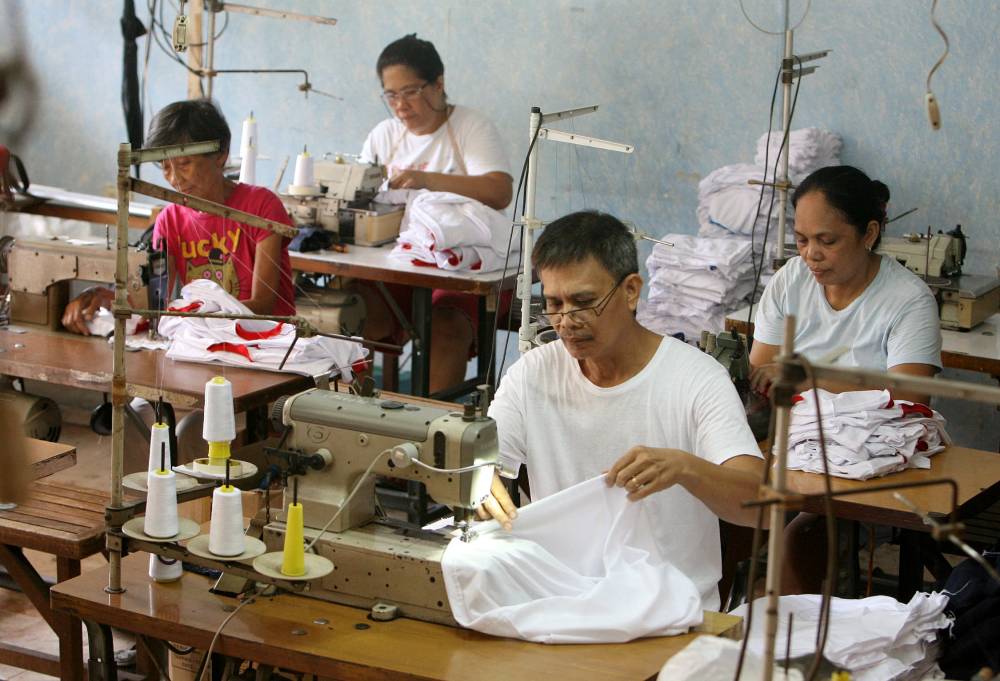
Philippine manufacturing activity fell to its lowest level in over four years in November, weighed down by plunging output and new orders as well as typhoon disruptions that slowed production.
S&P Global, which surveyed around 400 companies, reported on Monday that the Philippines’ Purchasing Managers’ Index (PMI) contracted to 47.4 from 50.1 in October, marking the “strongest deterioration” in manufacturing conditions since August 2021.
This is now well-below the 50-point threshold that separates growth from contraction.
According to S&P, the drop was reflected in all five components, which include new orders, output, employment, suppliers’ delivery times and stocks of purchases.
“Output and new orders contracted at their fastest rates since August 2021, driven by weak customer demand. Exports, purchasing and employment also declined, reflecting broader challenges in the sector,” said Trevor Balchin, economics director at S&P Global Market Intelligence.
The biggest drag was the continued decline in new orders and export orders, which fell for the third month and second month, respectively. S&P attributed this to weak customer demand and reduced requirements.
In turn, employment dipped for the first time since May, driven by layoffs and nonrenewal of contracts, while suppliers’ delivery times shortened. This now reflects weaker pressure on supply chains rather than improved conditions.
Production fell for the third straight month, with some manufacturers reporting typhoon-related disruptions. The slump in demand led companies to cut purchasing activity and deplete stocks for the first time in five months, with the rate of destocking at its fastest in five years.
John Paolo Rivera, a senior research fellow at the state-run Philippine Institute for Development Studies, said the decline was a “combination of weaker demand, tighter production conditions and heightened business uncertainty.”
“Softer household spending, delays in government projects, and the peso’s depreciation, which raises the cost of imported inputs, have all contributed to firms cutting back on orders and slowing output,” he said.

Temporary slowdown
Despite the downturn, S&P said manufacturers were still “increasingly confident” about the year ahead, pointing to expected new projects, increased orders and planned business expansions.
“Overall sentiment was the strongest since November 2024,” S&P said. “Recovery hopes and business expansion plans also supported optimism towards future performance.”
The report added that cost pressures continued to ease, with inflation remaining benign.
Meanwhile, according to Rivera, manufacturers are being “cautious” with their decisions as they await clearer signals on the country’s economy.
“If confidence does not improve soon, this weakness may spill over into early 2026, but stabilization is possible once government spending normalizes and inflation pressures ease,” he said.