










PH financial system resources surge to new record high

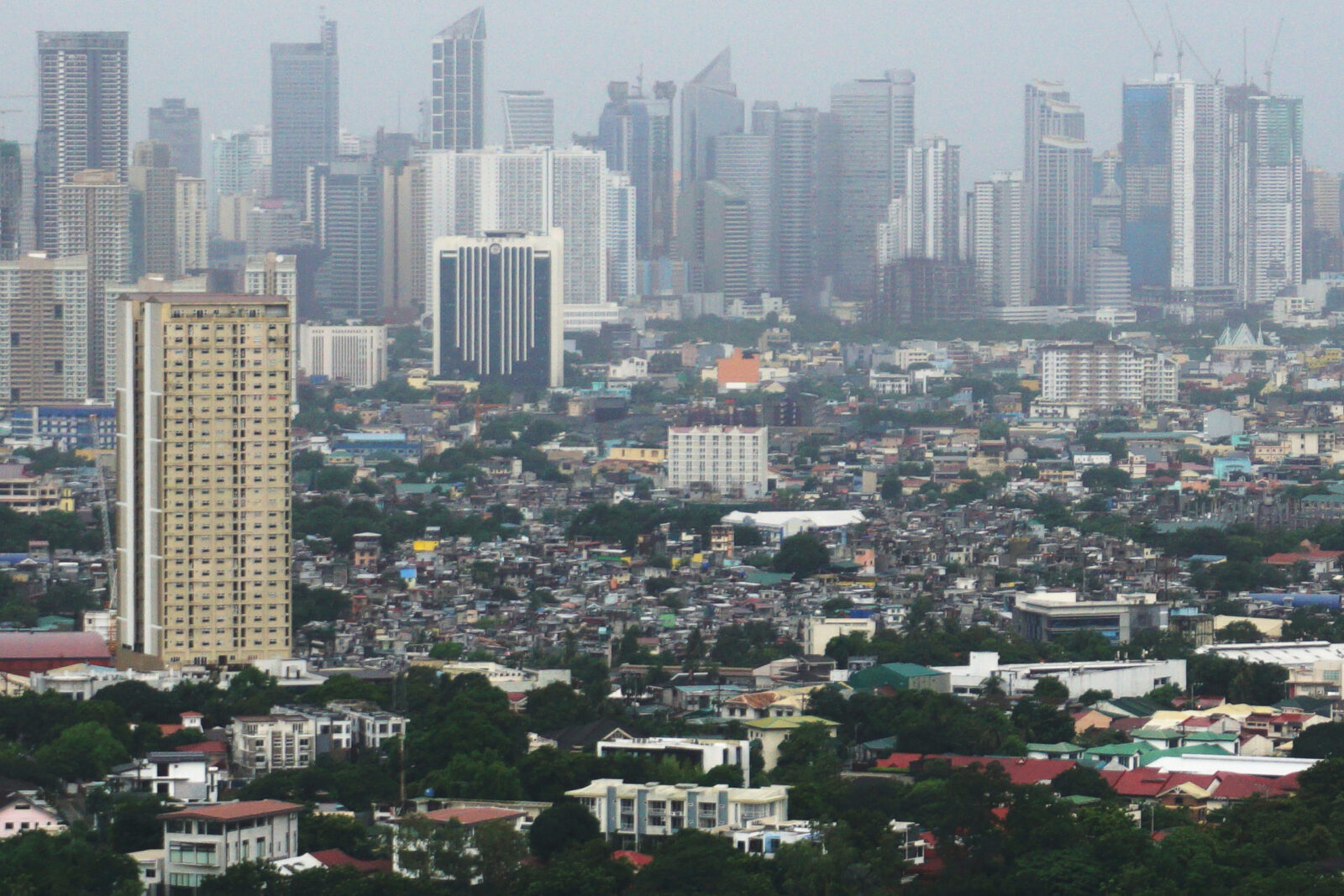
The total funds and assets held by Philippine financial institutions climbed to a fresh record high in September, climbing near the P39-trillion level as lenders continued to expand credit and attract deposits despite challenges confronting the economy.
Excluding the funds and assets of the central bank, the total resources of the financial system rose 8.6 percent from a year earlier to P38.99 trillion, data from the Bangko Sentral ng Pilipinas (BSP) showed. The amount was the highest on record, dating back to 1970.
The total reflects the financial sector’s available resources, including cash, loans, deposits, capital and investment securities, as well as reserves that regulated institutions maintain to absorb potential losses and safeguard financial stability.
The strong expansion suggests that financial institutions remain well-positioned to meet the needs of the growing economy, which is grappling with elevated inflation and lingering effects of a recent corruption scandal that had paralyzed government spending.
“Resilient domestic economic activity and demand for credit may have encouraged businesses and households to borrow, while banks’ growing balance sheets and improved lending capacity further supported the expansion,” said Ser Percival Peña-Reyes, a senior research fellow at the Ateneo Center for Economic Research and Development.
Big lenders
Figures showed banks continued to corner the bulk of the total resources of the domestic financial system, holding over 83 percent of the pile. Total funds and assets held by banks amounted to P32.6 trillion as of September, up by almost 10 percent.
Broken down, the resources of big lenders went up by nearly 10 percent to P30.2 trillion, while thrift banks posted a growth rate of nearly 11 percent to P1.6 trillion.
Digital banks saw their resources surge by 130 percent to P343 billion.
However, rural and cooperative banks bucked the uptrend after their funds and assets contracted by 11.7 percent to P447 billion.
Lastly, resources of nonbank financial institutions like investment houses, pawnshops, insurance companies and state-run pension funds edged up by 2.6 percent to P6.4 trillion.

Regulators have said the war in the Middle East presents a meaningful but manageable risk to the Philippines’ financial stability, noting that the banking system has limited exposure to Gulf nations even as some Philippine companies could face mounting pressure from the economic fallout.
The main transmission channels, they said, run through imported inflation, a wider current account deficit and tighter external financing conditions, which could weigh on growth and increase credit risks if sustained.
Peña-Reyes said the local financial system’s resources could continue expanding, although the pace may depend on the direction of interest rates, inflation and overall economic activity.
“Continued demand for business and consumer loans, alongside steady deposit growth, could support further balance-sheet expansion,” he said. “However, elevated borrowing costs and potential economic uncertainties may temper credit demand and affect borrowers’ repayment capacity.”


The roots of Philippine stagflation