


PH inflation soared to 7.2% in April amid persistent oil shock

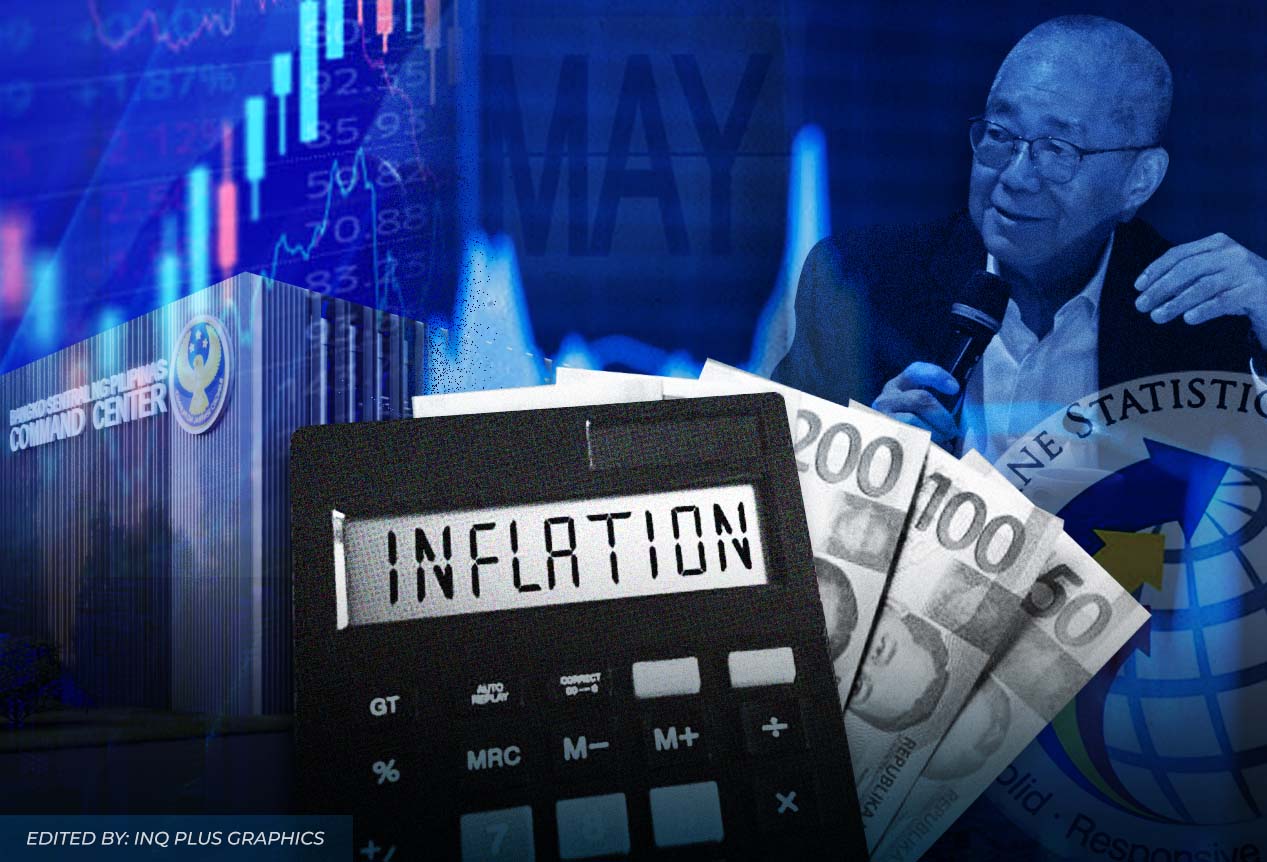
Inflation in the Philippines blew past market and government forecasts to an over three-year high of 7.2 percent in April as spillover effects from the oil crisis intensified, increasing the upward pressure on food and transport costs.
The Philippine Statistics Authority (PSA) on Tuesday reported that the April print surged from 4.1 percent in March, marking the second straight month of readings above the central bank’s tolerable 2-percent to 4-percent target range.
While price increases were widely expected, the reading still came in hotter than anticipated, surpassing the 5.5 percent market consensus and even overshooting the Bangko Sentral ng Pilipinas’ (BSP) forecast of 5.6 percent to 6.4 percent for the month.
It also marked the fastest pace since March 2023, when inflation hit 7.6 percent.
“The breadth of increases suggests stronger price pass-through, which complicates the disinflation path and warrants a more cautious policy stance,” UnionBank of the Philippines chief economist Carlo Asuncion said.
In a statement, the central bank said it was “committed to fulfilling its primary mandate of slow inflation and will take necessary actions to ensure inflation returns to its 3-percent target within a reasonable time.”
“It will remain vigilant for spillover effects, data-driven, and ready to act as needed,” the BSP added.
State statisticians said food accounted for the largest share of the uptick at 37.3 percent, rising to 6 percent from 2.9 percent in March.
Rice emerged as the top driver of more expensive food costs after jumping to a 20-month high of 13.7 percent from 3.5 percent.
Trade disruptions from the Middle East war have also strained fertilizer supply, effectively weighing on agricultural output.
Transport inflation, meanwhile, rose at its fastest pace in two decades, surging to 21.4 percent from 9.9 percent.
Driving this were gasoline price hikes soaring to 59.6 percent from 27.3 percent and diesel ballooning to 122.7 percent from 59.6 percent.
Putting even more pressure on domestic prices was the continued depreciation of the peso, which lifted import costs. The local currency had been hovering between the 59 and 60 per dollar level during the month before crashing to a new record low of 61.75.
Purchasing power of the peso has likewise fallen to a record low of 0.73 centavos.
More spikes ahead
The Middle East war, now in its second month, has yet to show signs of de-escalation after peace talks between the United States and Iran ended in a deadlock. This has now wiped out three weeks of rollbacks in domestic pump prices.
According to Asuncion, inflation may still rise further in May despite some temporary relief in oil prices.
“Energy relief may slow the pace of increase, but not enough to offset persistent food-side pressures. As a result, inflation risks remain skewed to the upside in the near term,” he said.
He added that with inflation breaching the target anew, the BSP is likely to keep rates restrictive for longer, although an off-cycle meeting remains unlikely.
Economists at Chinabank Research shared a similar view.
“Absent a substantial decline in oil prices, inflation is likely to remain above 7 percent for much of the year. We now expect average full-year inflation to reach at least 6 percent, with price growth likely to remain above the BSP’s target even in 2027,” Chinabank said.

“Hence, we expect the BSP to raise rates further. However, elevated inflation will continue to weigh on consumption and growth, constraining the BSP’s ability to hike rates aggressively and placing greater responsibility on the government to curb additional inflationary pressures,” it added.
From January to April, average inflation stood at 3.9 percent.
For its part, the Department of Economy, Planning and Development (DEPDev) said the government was ramping up efforts to address the prolonged Middle East war’s impact on domestic prices.
‘Misguided’
“Amid the Middle East conflict disrupting fuel supply chains, the government is intensifying targeted interventions, particularly to temper upward price pressures on food, energy, and transport, while ensuring the continued stability of domestic supply,” DEPDev Secretary Arsenio Balisacan said.
In a note to clients, Miguel Chanco and Meekita Gupta, economists at Pantheon Macroeconomics in London, said another BSP rate hike now seems likely, however “misguided”.
“We continue to believe, though, that inflation will return to the BSP’s target range next year as this supply-side shock drops out of the picture,” they said.
Nicholas Mapa, chief economist at Metropolitan Bank & Trust Co., said the troublesome combo of high inflation and slow economic growth would make the BSP “cognizant” with further rate hikes.
“Hiking at this point will have a limited impact on controlling inflation expectations as market is now more focused on the prospects for slowflation and not merely higher prices,” Mapa said.
Deepali Bhargava, economist at ING Bank, said a June rate hike was “a done deal”, with risks increasingly skewed toward a larger half-point increase or faster pace of tightening.
“Given the BSP’s preference for measured policy adjustments and the recent sharp depreciation pressures on the peso, a rate hike ahead of the next scheduled policy meeting cannot be ruled out,” Bhargava said.