









PH manufacturers see a better 2026

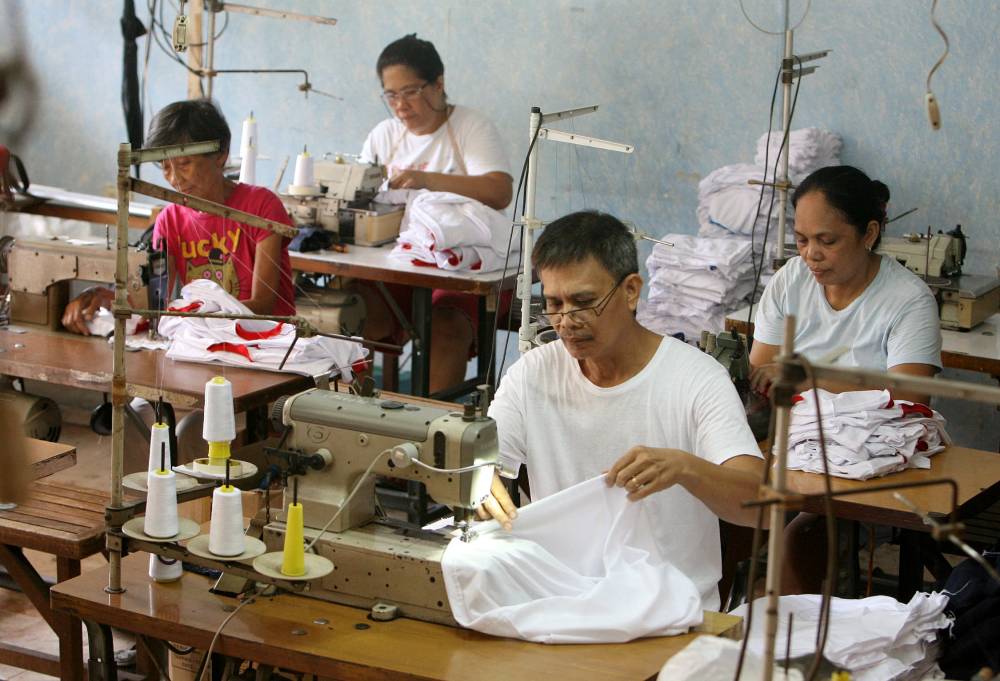
The Philippines’ manufacturing sector is looking forward to a stronger 2026 after factory activity stabilized toward the end of 2025, recovering from a slump seen through much of the second half of the year.
In a statement on Monday, Federation of Philippine Industries (FPI) chair Elizabeth Lee said the rebound in the Philippines’ purchasing managers’ index (PMI) signaled “genuine stabilization” rather than a fleeting lift from holiday restocking.
S&P Global reported last week that the Philippines’ PMI rose to 50.2 in December, up from a four-year low of 47.4 in November and the strongest reading since August, when it stood at 50.8.
“The PMI shows we are back in positive territory—a clear sign of resilience,” Lee said. “The challenge and opportunity now is to turn this recovery into lasting industrial strength by investing in innovation, diversification, and resilience.”
She attributed the improvement partly to fewer climate-related disruptions in December as compared to November, when factory operations were affected by successive weather disturbances, such as Typhoon “Tino” and Supertyphoon “Uwan.”
Stronger domestic demand also propped up the PMI, ending a three-month skid in new orders.
“Firms also cautiously resumed purchasing activity, anticipating future output growth despite lingering supply chain challenges. Importantly, the rebound was domestically led,” FPI said.
In a separate message to the Inquirer, Philippine Chamber of Commerce and Industry (PCCI) president Ferdinand Ferrer said manufacturers remain guarded despite the late-year improvement.
“The index is just slightly above 50, which still indicates manufacturers are still cautious and not overproducing,” said Ferrer, who recently took over the PCCI, the country’s largest business organization.
Exports
Despite firmer local demand, new export orders fell sharply in December, marking the steepest contraction in 15 months.

Lee said exports would be critical to sustaining manufacturing momentum in 2026, stressing the need to diversify beyond electronics, which account for nearly half of Philippine exports.
“Looking ahead, export growth in 2026 could provide a stronger external tailwind, particularly in electronics,” FPI said. “If realized, this export momentum will help sustain PMI readings above 50, signaling broader expansion in the manufacturing sector.”
Lee said sustaining growth would also hinge on stronger safeguards against climate-related disruptions and supply shocks, as well as expanding into mid-complexity industries such as machinery, chemicals and wood.
“December’s rebound is more than just a number—it is a signal that Philippine manufacturing can recover quickly when demand stabilizes,” she said.
“We are optimistic for this year 2026, banking on the expansion and implementation of real reforms that affect businesses, together with the strengthening of initiatives like Tatak Pinoy that can build long-term resilience for the country’s manufacturing base,” she added.