










PH rice import tally to decline

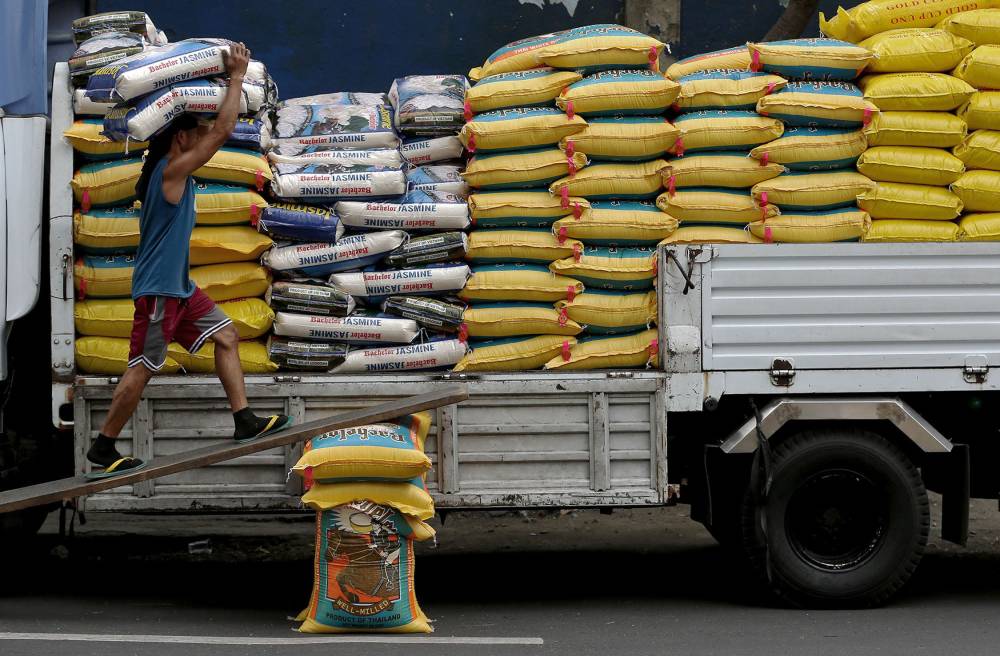
The Philippines may end this year with lower rice imports as better harvests boost local supply, the Department of Agriculture (DA) said.
Full-year rice imports could range between 3.6 million and 3.8 million metric tons (MT) for 2025, according to Agriculture Secretary Francisco Tiu Laurel Jr. This is lower than the 4.8 million MT rice imports recorded in 2024.
The projection already factored in expectations of a record-high harvest of 20.3 million MT this year, slightly down from the earlier forecast of 20.4 million MT due to flooding and other weather-related disturbances.
The Philippines recorded its highest palay production at 20.06 million MT in 2023.
In an interview on Monday evening, Tiu Laurel said he was optimistic about attaining the highest palay or unmilled rice harvest as more farmlands were now irrigated.
The agency’s import forecast is slightly higher than the estimate of 3.5 million MT made by the Bureau of Plant Industry (BPI) largely due to the four-month import ban imposed in September.
This is also similar to the US Department of Agriculture-Foreign Agricultural Service’s 2025 forecast of 3.5 million MT for marketing year 2024 to 2025.
The import restriction, which has been extended until end-December, was meant to protect farmers from declining prices caused by the influx of cheaper foreign grain. It was also meant to sustain market stability and safeguard consumer welfare.

Once importation resumes in January, the agency aims to control the volume of imported rice entering the archipelago, while ensuring fair palay prices for farmers.
“The importation continues throughout the year. Now, it’s just a quantity, depending on the harvest season. Before harvest, the quantity should be small so that our palay can compete,” he told reporters.
The agriculture chief said tariffs would be raised to 20 percent from 15 percent, as agreed upon by economic managers under a flexible tariff system that would take effect by Jan. 1, 2026.
“The tariff increase reflects several realities—the recent depreciation of the peso and the likelihood of higher global prices once the Philippines reenters the market,” he added.