












PH still the world’s No. 2 pineapple exporter

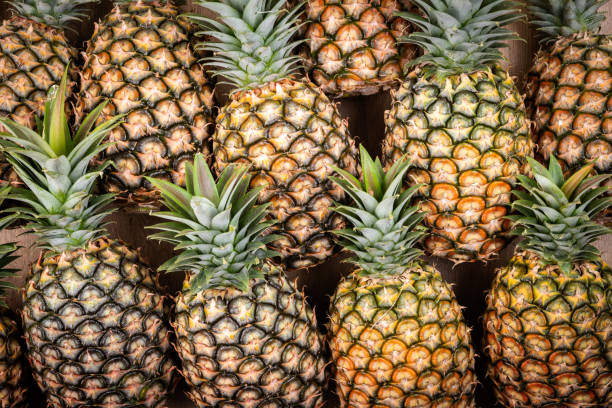
For the third consecutive year, the Philippines retained its position as the world’s second-largest pineapple exporter in 2025.
The Food and Agriculture Organization of the United Nations (FAO) said the Philippines had maintained its high ranking in the global pineapple trade since 2023, second only to Costa Rica. It is also the top supplier in Asia.
The FAO reported that the country’s pineapple shipments had expanded by around 14 percent to 775,028 metric tons (MT) last year. This is based on preliminary data until September last year.
The export volume has been increasing since 2023.
“Industry sources reported that the Philippines’ Department of Agriculture had made significant investments in improving yields in key production areas, including via the provision of fertilizers, packaging materials and training in pest management, which facilitated higher output,” the FAO said.
Pineapple shipments to China, the largest market for locally produced pineapple, climbed by 19 percent. This was due to a weather-related decline in Chinese domestic production, which resulted in lower yields and lower quality.
Japan and South Korea, some of the key markets for Philippine pineapple, procured 36 percent and 13 percent of overall pineapple shipments, respectively.
“Similar to the recent developments with China, shipments of Filipino pineapples to Japan expanded substantially from the previous year, by a reported 27 percent year-on-year,” it added.
In line with global trend
The Philippines’ pineapple exports mirrored the development in the global pineapple trade, which grew by around 5 percent to 3.38 million MT in 2025, largely driven by a significant supply shortage in Costa Rica.
According to the FAO, excessive rainfall and high temperatures in Costa Rica, which holds a market share of 60 percent, caused delays in planting. It also reported greater stress on plants and a higher incidence of pest infestations.

Meanwhile, the report said pineapple imports only slightly changed to 3.2 million tons last year.
“While demand in the United States of America and the European Union continued to be firm over the first nine months of 2025, growth was constrained by supply shortages from the main global supplier, Costa Rica, which could only marginally be offset by higher procurements from alternative suppliers,” the FAO said.
******
Get real-time news updates: inqnews.net/inqviber


At the crossroads: Growth, exclusion and the cost of waiting