







PH to deposit more rice seed samples in ‘doomsday vaults’

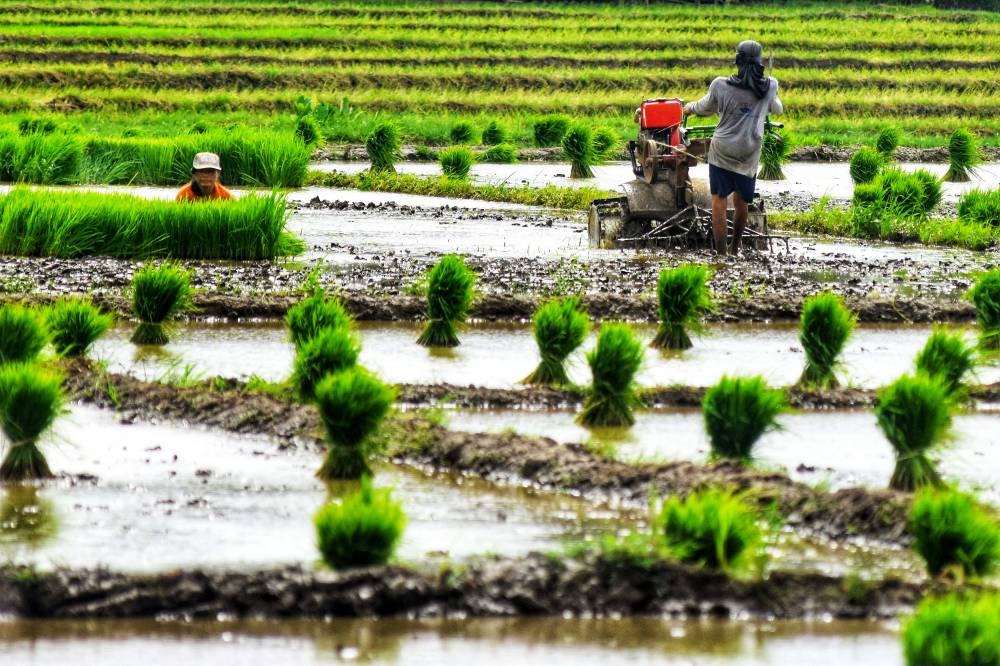
The government plans to deposit additional rice seed samples in “doomsday vaults” here and abroad in a move to preserve the Philippines’ rice genetic diversity, according to the Philippine Rice Research Institute (PhilRice).
“A second batch of seeds, consisting of newly collected and unique accessions, is planned for future deposit,” PhilRice said in a statement.
“Additional safety duplicates will also be stored at PhilRice branch stations and with partner institutions in neighboring Asian countries,” it added.
The Department of Agriculture (DA) previously announced that 4,417 samples of Filipino rice were safely stored in the Svalbard Global Seed Vault in Norway. This marked the first time in four decades that the Philippine government maintained rice seed duplicates outside the archipelago.
PhilRice has collected the majority of local rice samples since the 1980s. These include heirloom types, such as Dinorado and Milagrosa, known for their distinct aroma, soft texture and cultural significance, alongside modern hybrid seeds bred for drought resistance.
Each genetic resource accession is meticulously profiled and documented, ensuring its identity and integrity, the DA has said.
For PhilRice, keeping rice seeds outside the country will ensure protection against irreversible loss of the nation’s rice gene pool.
Securing genetic heritage
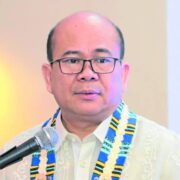
“By storing identical seed samples in secure, distant locations like the Svalbard Vault, we safeguard our genetic heritage against irreversible loss due to natural or human-induced disasters and other unforeseen threats,” said Jonathan Niones, head of PhilRice’s Genetic Resources Division.

“Each seed carries more than potential harvests—it holds stories of Filipino resilience, heritage and taste,” Agriculture Secretary Francisco Tiu Laurel Jr. said. “Call it what you will, but it is comforting to know that somewhere, the heart of Filipino agriculture continues to beat, no matter what comes.”
The Svalbard Global Seed Vault, dubbed the “doomsday vault”, serves as a global backup storage site for crop seeds. Situated on Spitsbergen Island near Longyearbyen, it protects the genetic blueprints of the world’s crops from climate change, war, natural disasters or the next pandemic.
According to its website, the vault safeguards 1.3 million seed samples from almost every country globally, with a capacity to store 4.5 million varieties of crops. It is owned by Norway and managed in partnership between the Norwegian Ministry of Agriculture and Food, the regional genebank NordGen and Germany-based international nonprofit organization Crop Trust.