








Potential pork shortage seen in first quarter 2027

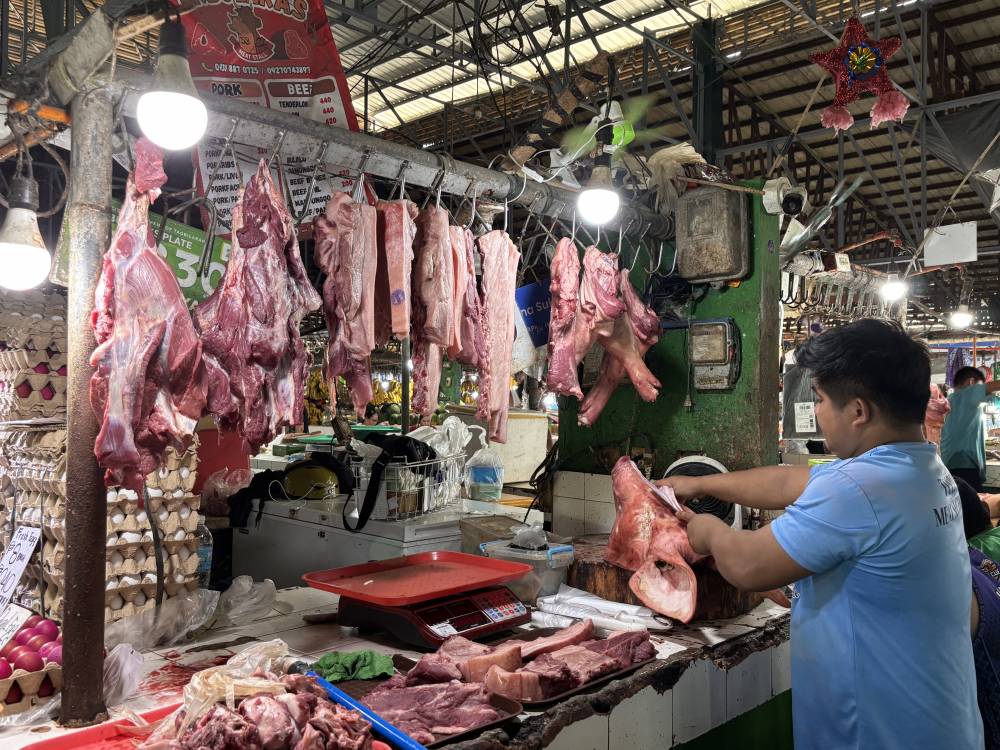
The Philippines’ two-month pork import ban is expected to substantially affect local supply in the first quarter of 2027, according to the US Department of Agriculture (USDA).
Early this month, the Philippine Department of Agriculture imposed a 60-day import ban on pork products, including carcasses and half-carcasses, hams, shoulder and other cuts, and edible offal.
This happened after the agency’s preliminary safeguard investigation revealed that increased pork imports from 2021 to August this year have caused “serious injury” to the domestic industry.
According to Department Order No. 33, which outlines the suspension policy, farm-gate prices have significantly declined due to excessive imports and frozen stock buildups.
“Increased imports translated into significantly rising higher market share and significantly declining self-sufficiency ratio during the POI (period of investigation) that crowded out local production over the years,” the order read.
However, in a report, the USDA’s Foreign Agricultural Service (FAS) said pork shipments already en route or loaded by the last week of November could ease a near-term supply shortage once they arrive between late December and January next year.
“The restriction will likely have a larger impact in the first quarter of 2027, particularly from late January to early March,” the foreign agency said.
The USDA-FAS projected Philippine-bound cargos in the first three months of 2027 “to fall well below” the levels seen in the same periods of 2025 and 2026 following the 60-day import ban.

In the first quarters of 2025 and 2026, the Philippines imported an average of 94,029 metric tons (MT) of the pork products covered by the import suspension, according to the USDA.
The USDA said domestic pork production would need to climb by at least 14 percent to meet demand amid reduced imports, assuming that consumption in the first three months of 2027 remains unchanged from a year ago and the current stock level is maintained.
Pork consumption in the Philippines stood at about 430,000 MT in carcass weight equivalent from January to March this year.
The order will come into effect on Nov. 26, unless the Bureau of Customs issues an implementing order sooner.



Technology is more important than ‘ayuda’ for El Niño