










RCR enters PSEi, replacing AGI


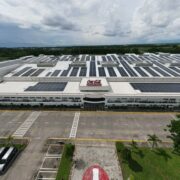
Gokongwei-led RL Commercial REIT Inc. (RCR) is set to join the Philippine Stock Exchange Index (PSEi), replacing Alliance Global Group Inc. (AGI) in the latest reshuffle of the benchmark that tracks the country’s largest and most actively traded companies.
In a notice dated Jan. 26, the PSE announced that RCR would be added to the 30-member PSEi, while AGI—Andrew Tan’s holding firm—would be removed from the much-coveted roster.
The changes will take effect on Feb. 2, according to the exchange.
The move ushers a Gokongwei-backed real estate investment trust (REIT) into the PSEi, expanding the presence of REITs in the benchmark. This is the second REIT to debut on the stock barometer, after Ayala-led AREIT Inc.
RCR’s inclusion reflects its improved standing based on the index management policy of the local bourse, which evaluates companies using size, liquidity and free float requirements.
Michael Ricafort, chief economist at Rizal Commercial Banking Corp., said the rebalancing of the PSEi should benefit RCR.
“This should be favorable for the listed company, especially from the point of view of foreign fund managers or investors that mimic and benchmark against the index for purposes of investment portfolio allocation in the country,” Ricafort said.
AGI’s exit from the PSEi will downgrade the Andrew Tan-led holding company to the PSE MidCap Index following the rebalancing.
The conglomerate is currently valued by the stock market at just about P68 billion, or less than half the P156-billion market capitalization of RCR.
While no longer part of the main index, AGI remains included in other PSE indices, including the holding firms gauge.

The exchange likewise announced additions and removals in the dividend yield and various sector indices, as part of its regular review.
RCR’s entry into the PSEi follows earlier market expectations that the REIT was on track for benchmark inclusion, after meeting key eligibility requirements.
Analysts had previously pointed to the company’s growing market capitalization and trading activity as factors that support its addition to the index.
Index changes typically prompt portfolio rebalancing by funds that track the PSEi, potentially driving trading activity in both incoming and outgoing stocks ahead of the effectivity date.