







Record-low peso hurting Filipino consumers

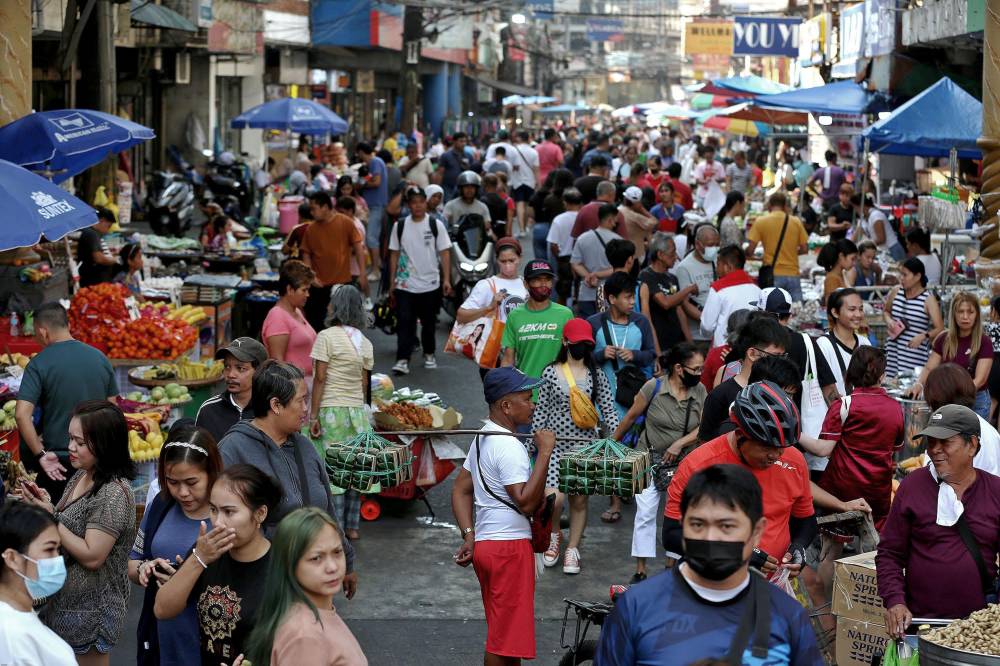
A cratering peso, on top of higher borrowing costs, could increasingly hurt Filipinos at home, economists and manufacturers warned, as households face the double whammy of higher prices and weaker purchasing power.
This comes as manufacturers also flagged the “multilayered” pressures they are facing, led by the peso’s breach of the 62-per-dollar level, which they warned could drive up costs that may eventually be passed on to consumers.
“Industry is facing powerful headwinds,” said Elizabeth Lee, chair of the Federation of Philippine Industries (FPI), a leading umbrella group of manufacturers, after the currency closed at a record low P62.265 against the dollar on Aug. 28.
“With raw materials and energy as essential imports, the peso’s slide past 62 can fuel cost-push inflation. Rising input costs will cascade from wholesale and eventually into retail prices, even as rate hikes attempt to slow demand,” Lee added.
Trickling down to prices
Often viewed as a double-edged sword, a weak peso could lift the peso value of remittances from more than 10 million Filipinos living and working abroad, potentially giving their families back home greater spending power.
It could likewise make Philippine goods cheaper for foreign buyers, thus boosting their competitiveness.
But a weaker peso also risks pushing up import costs and stoking inflation, which remained above target in July at 6.2 percent, even as this marked the third straight month of deceleration from an April peak following the Middle East conflict.
For economist Jonathan Ravelas, senior adviser at Reyes Tacandong & Co., the peso entering 62-per-dollar territory could eventually trickle down into consumer prices, but the bigger concern is how long it stays at this level.
“The break above 62 raises the cost of imported fuel, food, and raw materials, which could eventually feed into higher consumer prices,” Ravelas said. “While inflation risks remain manageable for now, a widening trade deficit and sustained peso weakness could add to imported inflation and erode purchasing power.”
Lee also warned that while a weaker peso could boost Philippine exports in terms of volumes and peso revenues, such gains may be limited by the country’s heavy reliance on imported inputs.
Citing government data, FPI said more than 85 percent of imports consist of raw materials and intermediate goods, capital equipment and mineral fuels—items businesses need to produce and move goods domestically.
This means a weaker peso does not only make imported consumer products more expensive. Manufacturers also need more pesos to buy foreign raw materials and equipment, while costlier imported fuel can raise electricity, freight and logistics expenses throughout the supply chain.
Both manufacturers and consumers stand to lose if these pressures persist, Lee warned.
Cheaper, lower-quality products
“If firms are forced to pass higher landed input costs onto consumers in a tight credit, high rate environment, purchasing power will be affected and sales volumes will shrink,” she added. “The risk is clear: rising costs can choke demand and weaken competitiveness.”
If manufacturers raise prices to account for higher import costs, supermarkets may eventually be forced to offer cheaper but lower-quality products to sustain demand, according to Steven Cua, president of the Philippine Amalgamated Supermarkets Association.

Beyond the weak peso, another pressure flagged by FPI was the Bangko Sentral ng Pilipinas’ recent 25-basis-point rate hike, which raises borrowing costs.
For companies looking to expand, Lee said this leaves them with two difficult choices.
“With nearly 28 percent of imports tied to machinery and equipment, a P62 peso makes modernization more expensive. Firms face a stark choice — delay upgrades or borrow at higher cost,” she said.
Lee thus urged the government to help offset costs it can control, including expediting the clearance of manufacturing inputs and slashing administrative delays that add to storage and port-handling charges.
“With the right policy support, industry can weather these challenges,” she said.
******
Get real-time news updates: inqnews.net/inqviber