



Remolona: December rate pause ‘unlikely’

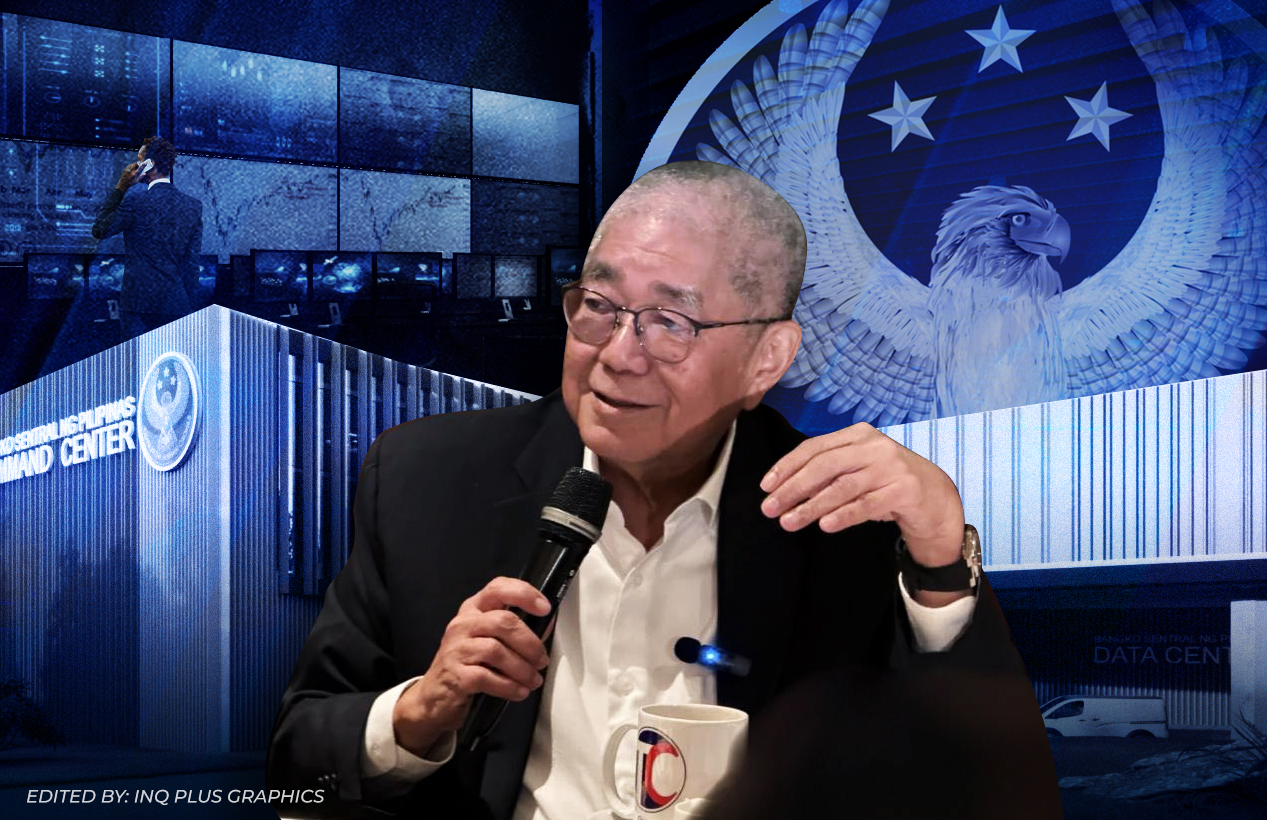
Bangko Sentral ng Pilipinas (BSP) Governor Eli Remolona Jr. said a pause in interest rate hikes at the central bank’s December meeting was “possible but unlikely,” despite the economy’s sluggish growth in the third quarter, as inflation is expected to remain elevated next year.
Speaking to reporters on Monday night, Remolona said monetary policy could do only so much to revive economic activity. A sharp rebound in government spending, he added, would be a more effective driver of sustained economic recovery.
Still, the central bank must weigh the economy’s weakness against the risk of persistently high inflation when deciding its next policy move. Remolona said the BSP considers both current price increases and the projected path of inflation in the coming months, with the ultimate goal of bringing it back to its 3-percent target.
Inflation hit a three-year high of 7.8 percent in October, well above the central bank’s target.
But Remolona said lackluster economic growth could temper the BSP’s response to rising prices, since weak demand conditions would help ease inflationary pressures. This could make policymakers less aggressive in raising rates, even as they remain prepared to tighten further if needed.
“We will tighten as much as we need to,” he said.
“When we decide the monetary policy, the number one [consideration] is inflation. It’s not just current inflation, it’s our projected inflation,” he added. “But the other consideration is how weak the demand side is for growth.”
The BSP chief’s remarks come as the economy struggles to regain momentum. Latest data showed gross domestic product (GDP) grew by just 2.1 percent in the third quarter, its weakest expansion in more than 16 years outside the pandemic period.
Weak household spending and investment, weighed down by elevated inflation, continued to drag on economic activity. The Marcos administration has acknowledged that even hitting the lower end of its 3.5-percent to 4.5-percent growth target for 2026 would be a formidable challenge.
Disappointing figures
The disappointing figures have fueled calls for the BSP to temper its pace of monetary tightening. In October, the central bank raised its policy rate by 50 basis points to 5.5 percent, bringing cumulative increases since April to 125 basis points.
But the inflation outlook leaves little room for an immediate shift toward easing. The BSP expects inflation to average 6.1 percent this year, well above its 3-percent target. It also raised its 2027 inflation forecast to 6 percent from 5.4 percent, although it expects price growth to ease to 3.3 percent in 2028.

Remolona said inflation had yet to peak, adding that the central bank may begin unwinding its rate hikes once price increases return to its target.
Despite the weak third-quarter performance, he also expressed hope that growth would recover to at least 3 percent in the fourth quarter, buoyed partly by the usual consumption boost during the Christmas season and stronger investment activity.
Meanwhile, Remolona said the BSP would need more details about an alleged agreement for the Philippines to exclusively source agricultural and oil imports from the United States before assessing its implications for inflation and the broader economy.
Remolona said the impact would depend largely on how prices under the arrangement compare with those offered by other suppliers.
“Once we have the details, we will feed them to our models,” he added.