





Retain current MAV guidelines for pork, gov’t urged

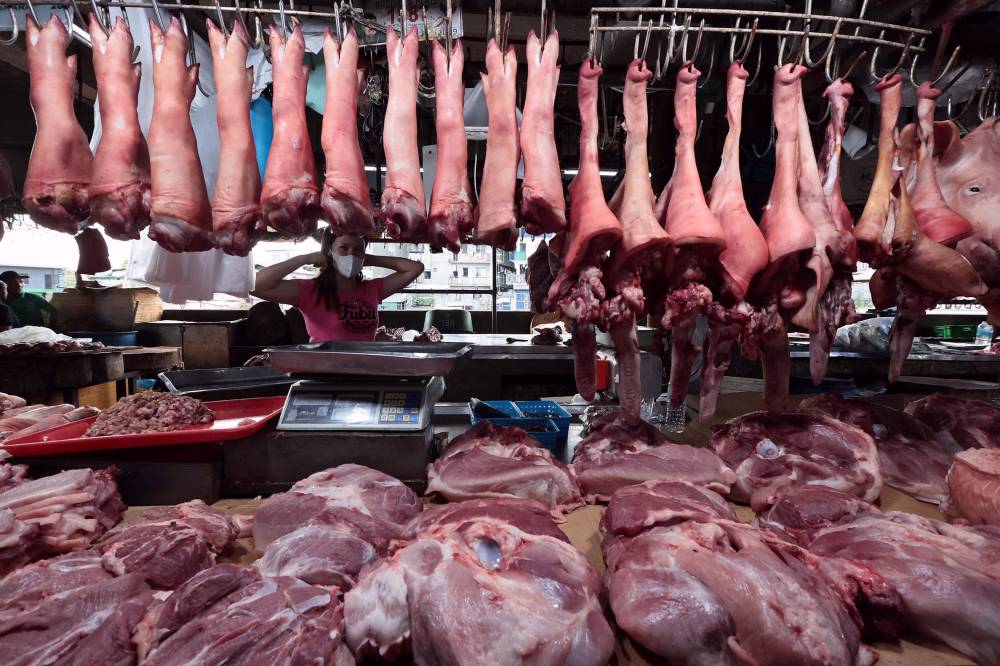
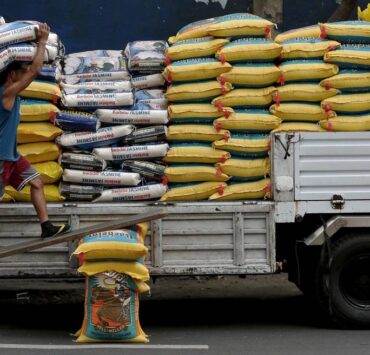
A major importers group has asked the government to continue allowing the entry of imported pork under the current minimum access volume (MAV) guidelines, warning of potential disruptions to local supply as the industry continues to recover from animal diseases.
In a letter to the MAV secretariat, the Meat Importers and Traders Association (MITA) is “strongly and urgently recommending” that the current guidelines be retained, instead of revised.
MITA president Emeritus Jesus Cham said the Department of Agriculture’s (DA) plan to implement revised MAV rules by next year had taken licensed importers “entirely by surprise,” as orders had already been placed and buying decisions finalized.
“This disruption will negatively affect supply next year,” Cham said in the group’s Dec. 3 letter.
“These sudden shifts have created substantial uncertainty, as imports may now fall under out-quota rates, significantly affecting landed costs and contractual commitments,” Cham said.
Cham said the current system had been clear, transparent and stable, with no major controversies arising since its implementation in 1996, since all licensees have long understood the rules.
The MAV mechanism allows imports of certain volumes of agricultural products, such as pork at reduced import duties.
Under this scheme, all imported pork is subject to a 15-percent tariff rate, while a 25-percent import duty applies to those outside MAV or quota.
Agriculture Secretary Francisco Tiu Laurel Jr. said last month the revised MAV policy would be released in December, ensuring that all stakeholders are on equal footing, thus helping stabilize retail prices.
Control
He said the DA initiated the revision of the MAV policy, which has been implemented for over a decade, after discovering that a “handful” of industry players control 70 percent of the import allocation, which “means they control the price.”
The current MAV allocation is 55,000 metric tons (MT), with 30,000 MT given to meat processors.
However, the DA intends to allot 50 percent of the entire MAV volume to meat processors, 30 percent to meat traders and 20 percent to the government to help tame prices by selling pork through Kadiwa stores.

Cham said “an arbitrary reallocation or reset … would be unfair and inequitable,” adding it would not beef up domestic supply and address the underlying issue.
Citing relevant data, Cham said pork production hit 1 million MT in 1995 and peaked at 1.9 million MT in 2019.
However, he said last year’s output level fell to 1994 levels following the African swine fever (ASF) outbreak in 2019, although the country’s population has doubled since then.
“It took the hog industry 25 years (1994-2019) to grow by 900,000 tons. How long will recovery take? Certainly not within the remaining years of the current administration,” he said.
“Moreover, allocating to state-owned enterprises seems unnecessary since they are already able to import duty-free,” he added.
Likewise, MITA called on the MAV secretariat to observe due process and refer the matter to the MAV Advisory Council for proper deliberation. It said the council was composed of representatives from all sectors with long-established experience and institutional memory.