







Soaring fuel costs leave PAL with $159-M loss

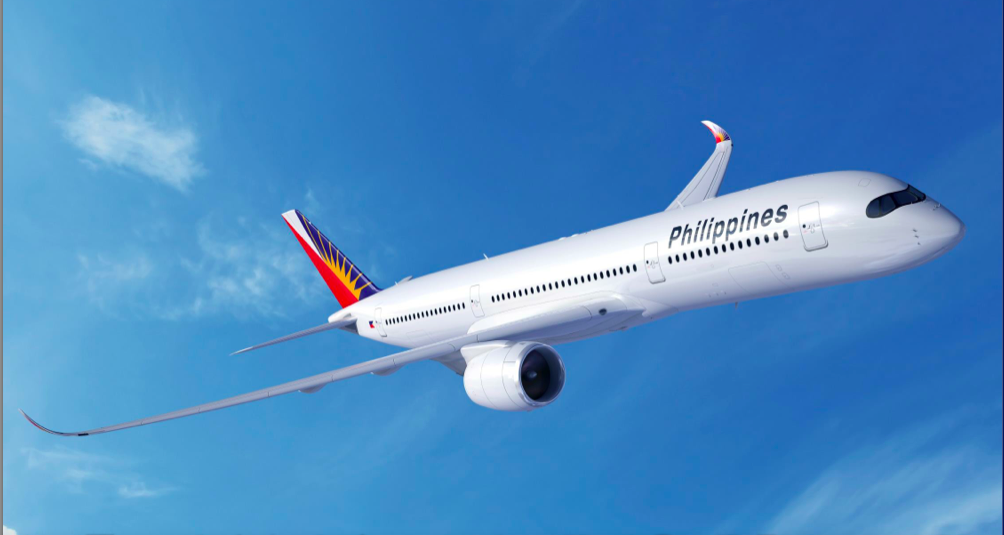
Philippine Airlines (PAL) remained in the red in the first nine months of 2026, as skyrocketing fuel costs due to the Middle East conflict wiped out its modest revenue gains despite efforts to rein in expenses.
Based on its latest financial report, the Lucio Tan-led flag carrier swung to a $159-million net loss during the period, reversing a $158.7-million profit a year earlier.
This, even as PAL eked out a 4-percent revenue increase with $2.5 billion, supported by higher passenger yields following capacity adjustments and stronger cargo revenue.
Such gains were overshadowed by a 15.9-percent rise in operating expenses to $2.57 billion, driven largely by a $339.4-million surge in fuel costs.
“While the sharp increase in fuel prices has weighed significantly on profitability, demand for travel remains healthy and our revenue performance shows that our commercial strategy is gaining traction,” said PAL president Richard Nuttall.
“We have responded with disciplined capacity deployment, stronger revenue management, targeted commercial initiatives and tight control of controllable costs,” Nuttall added.
As with many other airlines, PAL’s biggest bane during the period was the price of jet fuel, which jumped 52.7 percent to $152.72 per barrel amid conflict in the Middle East.
The carrier spent $1.02 billion on fuel alone during the first three quarters, a 49.8-percent increase from a year earlier.
While fuel had already accounted for the largest share of PAL’s operating expenses even before the conflict, its share has since climbed to 39.6 percent from 30.7 percent a year ago.
Less flights
To cushion the impact, PAL reduced flights on certain routes, adjusted fares and fuel surcharges, and tightened control over other operating costs.

These adjustments helped lift passenger revenues by 1.9 percent to $2.08 billion, even as the airline carried 11.6 million passengers during the period, down 6 percent year-on-year.
A bright spot was PAL’s cargo business, which booked a 34.8-percent increase in revenue to $158.5 million, supported by higher freight rates and a 2.9-percent rise in freight volume.
Ancillary revenues, meanwhile, grew 6 percent to $235.1 million as more passengers purchased premium seat upgrades, prepaid baggage and other additional services.
Still, PAL generated $247 million in free cash flow.
PAL expects fuel prices to remain the biggest factor affecting its financial performance for the rest of 2026.


