









Streak ends: PH back into dollar deficit

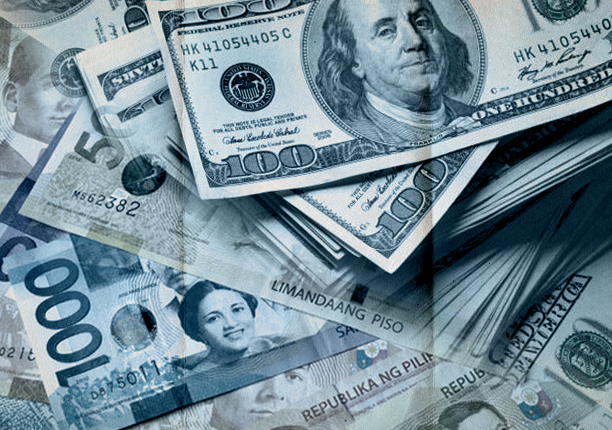
The Philippines recorded a dollar deficit in November, breaking a three-month run of surpluses, as the seasonal pickup in holiday demand likely lifted imports and prompted outflows, while global headwinds continued to weigh on export sales.
The country’s balance of payments (BOP), which tracks all foreign exchange inflows and outflows, registered a shortfall of $225 million, latest data from the Bangko Sentral ng Pilipinas (BSP) showed.
That snapped three consecutive months of surpluses and kept the 11-month BOP position at a deficit of $4.83 billion, accounting for 66 percent of the central bank’s projection of a $6.9-billion BOP gap by the end of 2025, equivalent to 1.4 percent of gross domestic product (GDP).
“The November BOP deficit mainly reflects a wider trade-in-goods gap as imports picked up—likely on capital goods and raw materials—while exports remained soft amid global demand headwinds,” Ruben Carlo Asuncion, chief economist at Union Bank of the Philippines, said.
“Services receipts and remittances continued to provide support, but not enough to offset the merchandise trade shortfall,” he added.
Overall, the BSP said last month’s BOP deficit translated to gross international reserves (GIR) of $111.3 billion, which can help the country finance its imports and foreign debt obligations, stabilize its currency and provide a buffer against external economic shocks.
The buffer funds—made up of foreign-denominated securities, foreign exchange and other assets including gold—could cover 7.4 months’ worth of imports of goods and payments of services and primary income, way above global standards.
The GIR could also cover about four times the country’s short-term external debt based on residual maturity.

“Looking ahead, we expect the BOP to stay in deficit through 2025, though the gap should gradually narrow in 2026 as imports normalize and financial inflows improve,” Asuncion said.
In a note to clients, analysts at ANZ Research projected a BOP deficit of 0.9 percent of GDP in 2026.
“Over the medium term, subdued domestic demand is expected to keep import growth contained through 2026,” they said. “On the services front, travel exports remain weak, reflecting fewer Chinese tourists amid elevated geopolitical tensions.”
“However, continued expansion in business process outsourcing services should partially offset this drag,” they added.