








Tiny flippers, big impact: Development and nature can coexist

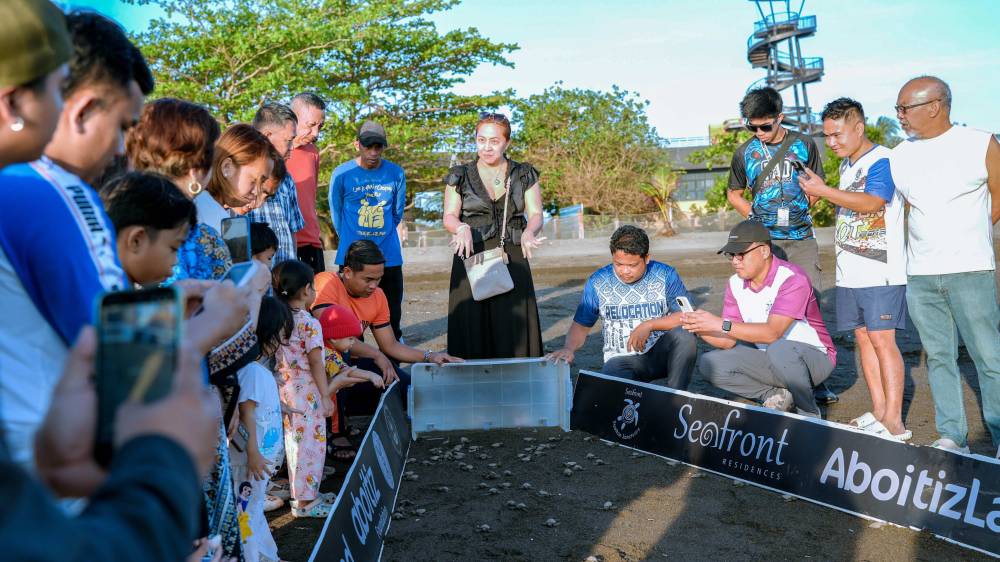
Along the quiet shoreline of Seafront Residences, small movements in the sand signal something bigger than a seasonal ritual.
For eight years now, hatchling sea turtles—locally known as pawikan—have emerged from their nests and begun their fragile journey toward the sea, guided not only by instinct but by a community committed to protecting them.
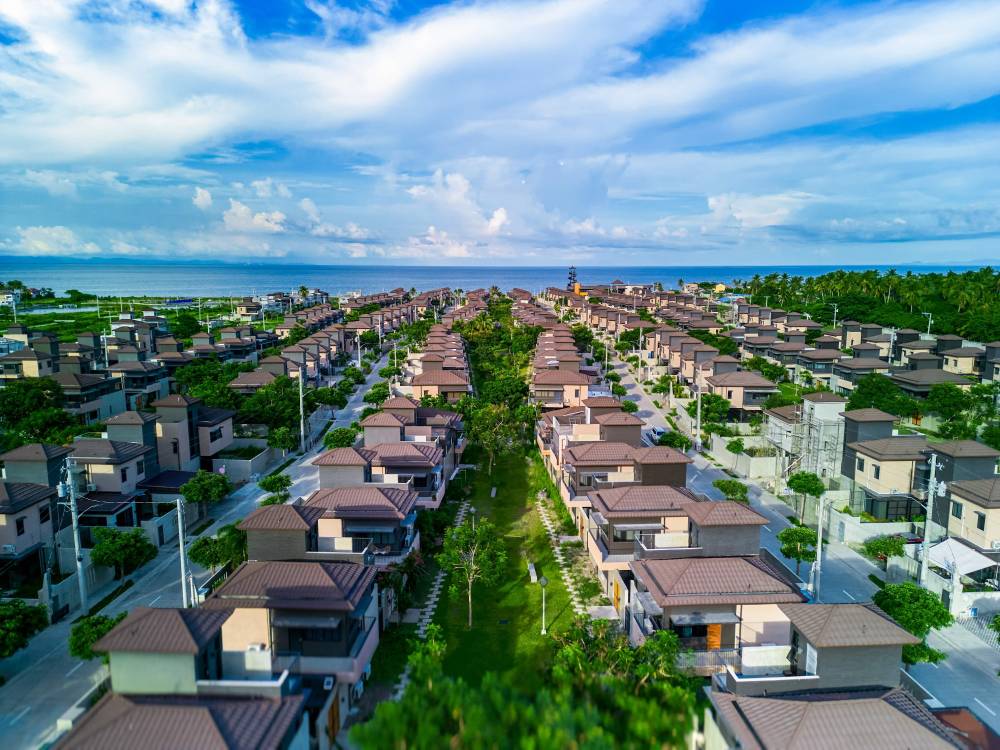
This year alone, more than 1,100 Olive Ridley hatchlings were released along the coast of the 43-hectare Seafront Residences development. This is a milestone that underscores property developer Aboitiz Land’s continuing efforts to integrate environmental stewardship into the communities it builds.
The Pawikan Conservation Project, launched at the coastal estate in San Juan, Batangas, has grown into one of the company’s pioneering marine conservation initiatives.
What started as a response to natural turtle nesting on the shoreline has gradually evolved into a broader, community-led movement centered on sustainability and environmental care.
The initiative is led by Aboitiz Land in partnership with Aboitiz Foundation, with scientific guidance from the University of the Philippines Institute of Environmental Science and Meteorology.
Community-driven
But beyond institutional support, much of the strength of this program now lies in the hands of the people who live there.
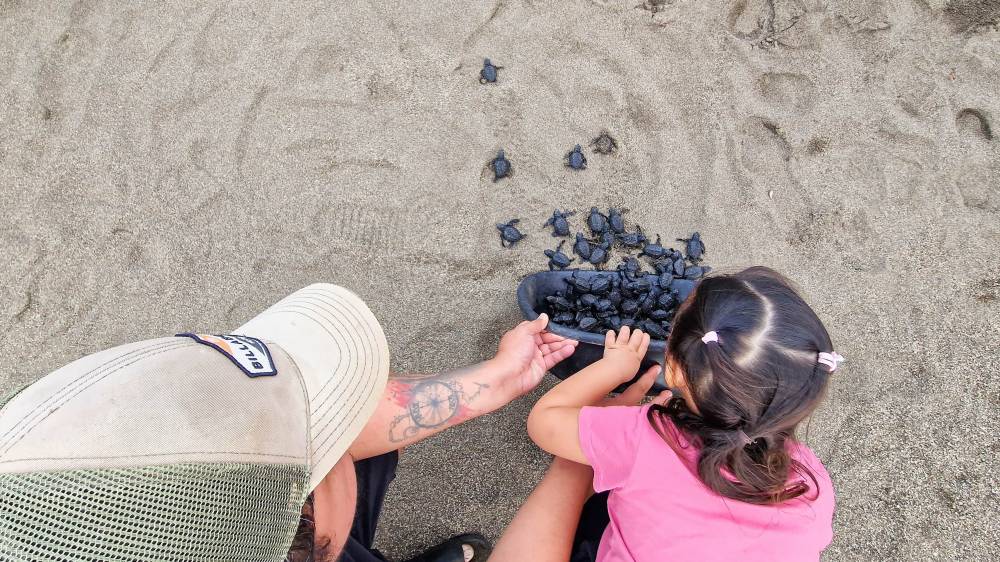
Residents, fondly referred to as vecinos, play an active role in monitoring nests, assisting in hatchling releases and raising awareness about marine conservation.
Over the years, volunteers, youth groups and homeowners have helped transform the effort into a shared responsibility, reinforcing the idea that sustainable living can begin within the communities that people call home.
Seafront Residences itself was designed as a master-planned coastal community that blends beachfront living with long-term environmental stewardship.
The turtle conservation project, Aboitiz Land says, reflects its broader vision of building places where development and nature can coexist.

“The Pawikan Conservation Project has evolved into a broader initiative that weaves environmental stewardship into everyday community life,” says Farrah Niña Mayol, senior assistant vice president for corporate communications, branding and corporate social responsibility of Aboitiz Economic Estates and Aboitiz Land.
Culture of care
By encouraging residents to participate directly in conservation work, Mayol says the project has become a shared legacy—one that promotes environmental consciousness and helps shape how people engage with their surroundings.
Beyond protecting sea turtles, the program also seeks to nurture a culture of care within the community.
The act of safeguarding nests and guiding hatchlings to the sea has become both a conservation effort and a symbol of how communities can rally around a common cause.
As Aboitiz Land continues to expand its portfolio of master-planned developments across the country, the Pawikan Conservation Project stands as a reminder that sustainable growth does not end with buildings and amenities. Sometimes, it begins with something as simple—and as powerful—as protecting life along the shore.