










Ube’s global appeal takes root

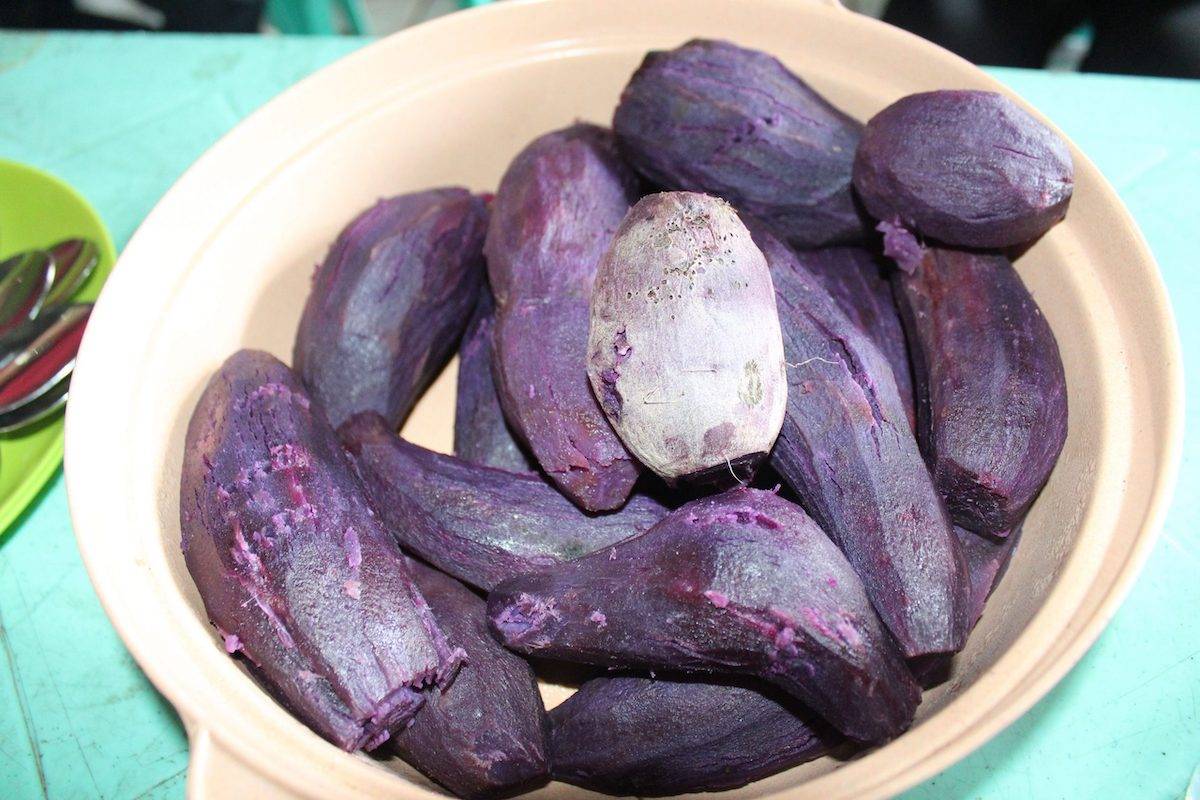
From low-cost ice shavings flavoring to jam jars hauled home from Baguio, ube has long been a familiar favorite on the Filipino table.
But as global demand for healthier, more visually striking food options grows, the once-humble root crop is poised to take on a new role: the Philippines’ next export standout.
According to the Department of Trade and Industry (DTI), shipments of purple yams reached $3.06 million in 2025.
That marked a sharp jump even from total yam exports, which stood at $1.4 million in 2024, based on data from the Philippine Statistics Authority (PSA).
This surge comes amid what Fitch Solutions’ analytics unit BMI described as a broader “ingredients revolution,” or a global shift toward niche food products driven by two key factors: health consciousness and visual appeal.
Ube has found itself riding the same wave as matcha, the Japanese green tea that has become a global cafe staple, and quinoa, the rice substitute that skyrocketed in popularity in the 2010s before being commoditized.
“Once rooted in specific culinary traditions, they are now commonly presented in familiar formats, such as lattes, ice creams and chocolate where their distinctive flavors are softened, sweetened or blended to suit broader tastes, while their striking colors remain a key draw,” BMI says.
“Brands and cafes have also leaned into the ‘better-for-you’ and artisanal narratives around matcha and the visual novelty of ube, both of which translate well on social media and encourage trial,” it adds.
While it remains unclear whether the Philippines is the world’s top ube producer, the DTI said the country accounts for the largest share of new product launches featuring ube, citing Mintel’s Global New Products Database.
This rising overseas demand has been most evident in Japan, China and the United States—all among the Philippines’ top five export markets.
In Japan, ube is commonly used in chilled and shelf-stable desserts. In China, it features in cakes, pastries, malt drinks and hot beverages. In the United States, it appears in dairy-based ice cream and frozen yogurt, as well as sweet biscuits and cookies.
Supply under strain
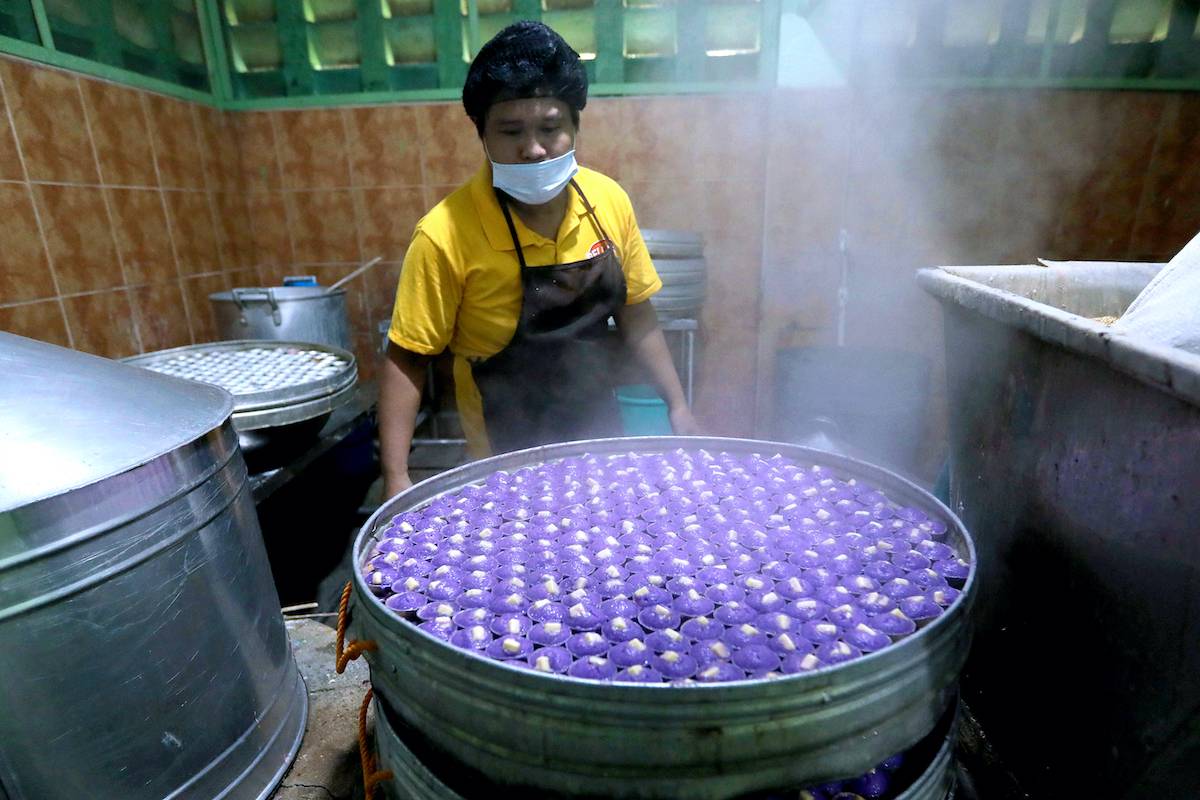
Yet even as demand accelerates, production has struggled to keep up.
PSA data show that the Philippines produced 13,535 metric tons (MT) of ube in 2022, down from more than 15,000 MTs in 2021. This shortfall has been significant enough that the country has had to import ube from Vietnam just to meet local demand, BMI notes.
This is primarily because, unlike staple crops, ube is often grown on small, seasonal plots by small-scale farmers. Many growers, BMI said, continue to favor crops that offer more predictable returns over those driven by consumer trends.
Production is further constrained by how ube is propagated. The crop grows faster from cut tubers than from seeds, forcing farmers to choose between selling their harvest and reserving portions for replanting.
New export star?
Addressing these agricultural barriers is key if the Philippines wants to sustain its ube foothold.
“If ube continues to gain international traction, other producing countries and commercial growers may look to cultivate their own supply to reduce import dependence, especially where agronomic conditions are suitable,” BMI says.
For now, ube exports remain small compared with the Philippines’ leading agricultural earners. Coconut oil exports reached $2.87 billion in 2025, while banana exports totaled $1.68 billion in the same year.
Still, what sets ube apart is not volume but versatility, as the root crop lends itself to a wide range of value-added applications, which could help the Philippines as it looks to move beyond raw agricultural exports.

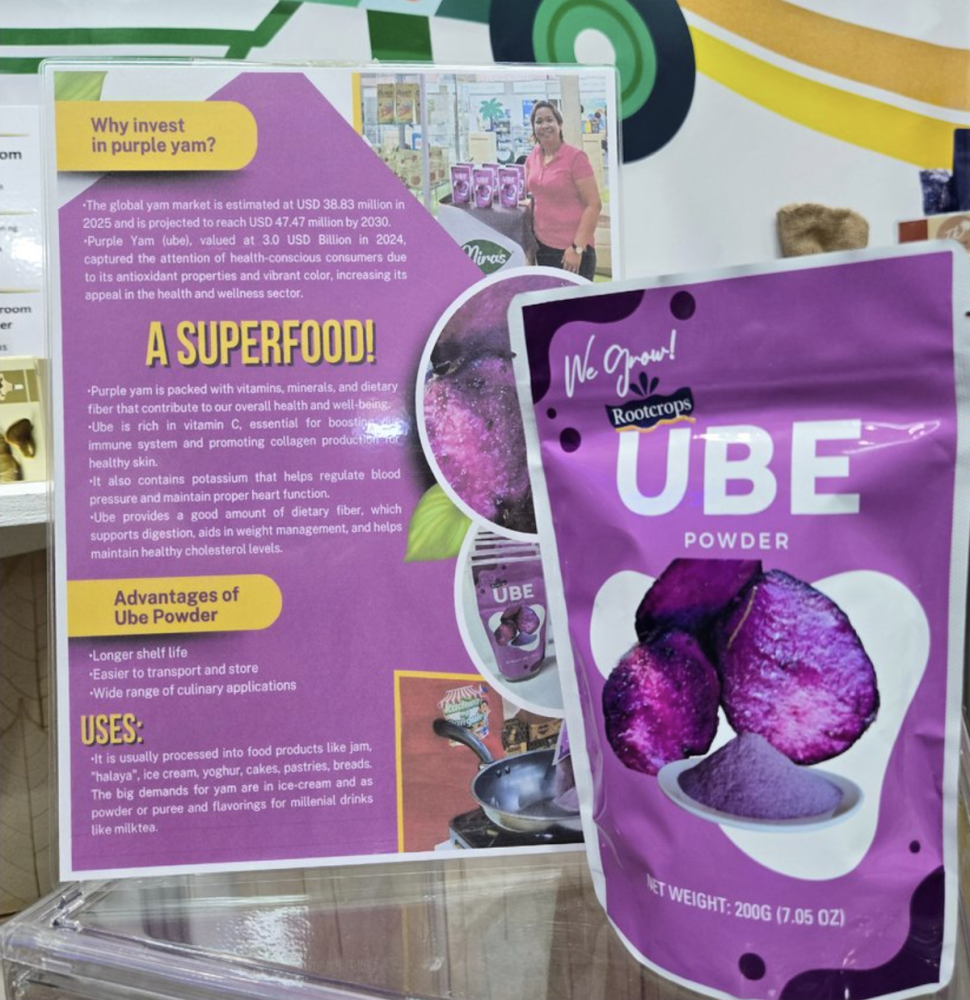
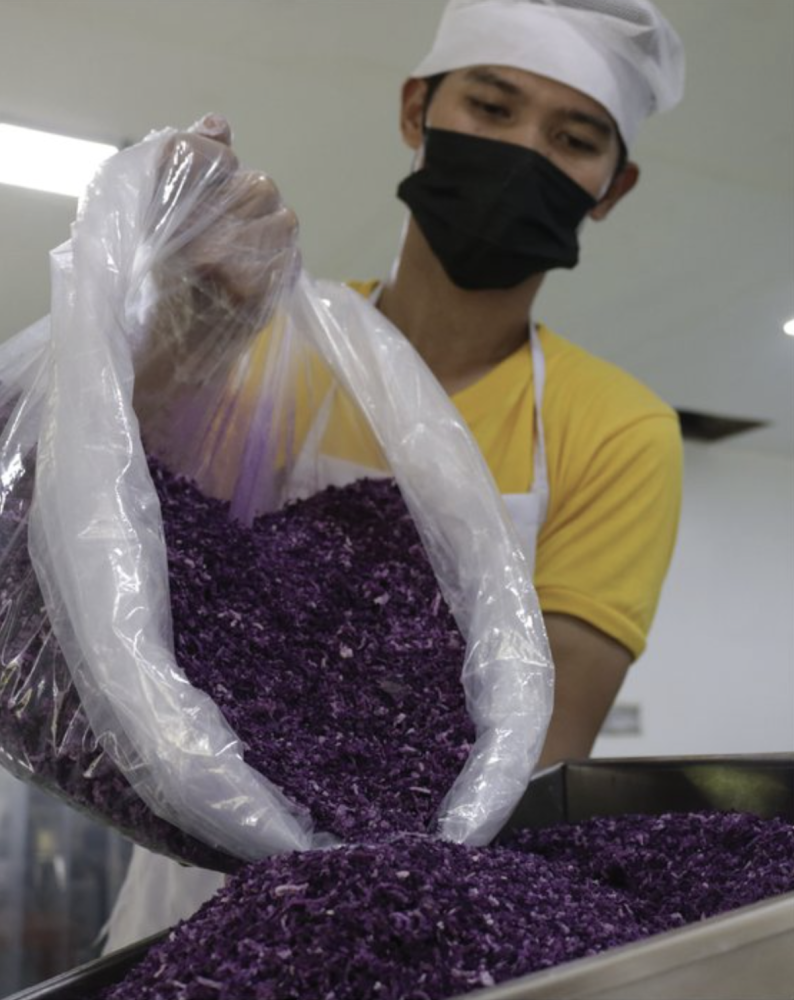
Ube is now sold as powder, puree, halaya and flavor extracts, and incorporated into familiar formats such as lattes, ice creams and chocolate, where its distinctive flavor is softened, sweetened or blended to suit broader tastes.
But that flexibility also comes with a downside, BMI warns.
“While it is strongly associated with Filipino cuisine and heritage, it is more commonly viewed as a flavour or colour ingredient,” it says. “As a result, buyers may be more willing to switch sources if price, availability, or logistics become challenging.”
This puts pressure on the Philippines to do more than simply supply the crop.
Making ube distinctly Filipino will require pairing it with strong branding and innovation, all while without sacrificing its appeal to global consumers.
If that balance can be struck, ube’s rise may prove more than a passing trend.
Only then can the country confidently say it has found its next export winner.
******
Get real-time news updates: inqnews.net/inqviber